BDI: 1,842 ▼ 1.2%
COTTON NO.2: 84.12 ▲ 0.4%
LME COPPER: 8,432.50 ▲ 2.1%
FOOD SAFETY INDEX: 94.2 ARCHIVE_SECURED
OPTICAL INDEX: 11,204.09 STABLE
BDI: 1,842 ▼ 1.2%

SECTOR INDEX
V.24.08 ARCHIVE
Hot Articles
- Tamil Nadu Plans SIM-Based Upgrade for 17.7 Million Smart MetersTamil Nadu plans 17.7 million smart meters with proposed SIM-based upgrades. Explore potential supplier opportunities and the tender details still to come.
- Fiber Laser CE Marking: EU Safety Requirements and DocumentationFiber laser CE compliance goes beyond the mark. Explore EU safety requirements, essential documentation and practical checks before purchasing.
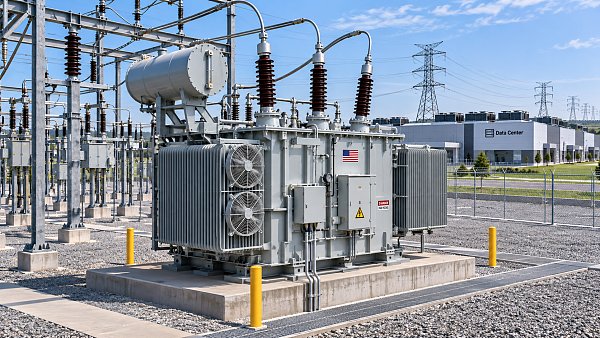
- US Grid Equipment Shortages Could Hinder $1 Trillion UpgradeUS grid equipment shortages could hinder a $1 trillion upgrade. Explore how transformer supply, data centers and rising power demand could affect grid projects.
Sizing Beverage Tanks Around Batch Volume and Filling Line Output


A storage tank can hold an entire beverage batch and still leave the filling line short of product. The problem usually appears between batches: blending runs late, quality release is pending, or the next vessel is still being cleaned. Conversely, a tank sized around maximum filler speed can create unnecessary inventory if upstream preparation cannot replenish it.
The sizing decision needs two separate checks: whether the vessel accommodates the largest intended batch, and whether the available, released inventory keeps the filler supplied through the production schedule. Project managers should resolve both before fixing tank dimensions, utility loads, floor space, and transfer equipment. Cleaning time, minimum operating level, product hold limits, and changeover frequency belong in that calculation—not in a later operating procedure.
Define usable volume before selecting nominal capacity
Supplier drawings and quotations may describe total volume, nominal volume, or working volume. Those terms should not be treated as interchangeable. The project specification needs to identify the maximum permitted liquid level, the minimum operating level, and the conditions under which each applies.
Maximum working volume may be limited by foam, agitation, thermal expansion, or the need to keep liquid away from vent connections. At the bottom of the vessel, some product may remain unavailable to the filler because of outlet geometry, pump suction requirements, or a low-level interlock. A vessel that physically contains the batch may therefore provide less transferable inventory than expected.
For a preliminary volume balance, use:
Transferable inventory = operating liquid volume − non-transferable residual volume.
Separately, the maximum operating volume must accommodate the largest batch delivered to the vessel, including any additions made there. If blending occurs in the storage tank, the engineering team must also check the minimum volume at which mixing remains effective. A vessel suitable for full batches may not handle short runs satisfactorily.
When comparing beverage tanks, use the same definition of working capacity across all offers. Ask suppliers to show operating levels, outlet location, agitator position where applicable, and expected residual volume. These details make capacity comparisons more useful than a quoted volume alone.
Translate filling output into a product-demand profile
The starting calculation is straightforward:
Liquid demand rate = containers filled per unit time × actual fill volume per container.
Use consistent units and the actual operating fill target. Where the target differs from the declared package volume, using the label quantity alone can understate consumption. Establish demand separately for each relevant package format; the fastest container rate does not necessarily represent the highest liquid throughput.
The more difficult task is deciding which filling rate belongs in the calculation. For shift-level inventory planning, use a credible scheduled output that reflects planned stops and observed operating conditions. For transfer-pump, piping, and control checks, use the highest required instantaneous draw. An average production rate can conceal periods when the filler consumes product faster than the transfer system supplies it.
Build a time-based demand profile rather than relying on one daily production total. Include startup, normal operation, downstream interruptions, restart, and format changes. Where operating history is unavailable, label assumptions clearly and test more than one scenario. Do not present an assumed efficiency as measured performance.
The tank also needs to tolerate interruptions on the downstream side. If filling stops while blending or treatment continues, upstream product must either fit within the remaining working volume or have a defined stopping or diversion route. More storage cannot compensate for an unspecified response to a prolonged filler shutdown.
Size the reserve around replenishment—not an arbitrary percentage
The reserve should cover the period between losing one usable supply and making the next supply available. That interval can include ingredient charging, mixing, transfer, sampling, laboratory review, and valve changeover. Where the same vessel is reused, draining and cleaning may extend the interval considerably.
A practical preliminary relationship is:
Required transferable reserve = expected filler draw during the replenishment gap + allowance for identified variability.
This relationship assumes no usable incoming product during the gap. If replenishment occurs continuously or in stages, calculate inventory over time instead. At each interval, add released incoming volume and subtract filler consumption and other withdrawals. The lowest inventory point determines whether supply continuity is credible.
The variability allowance should correspond to a defined risk: a delayed release result, a longer recipe preparation step, or a repeatable restart loss. An unexplained percentage makes the design difficult to review and can conceal either unnecessary capacity or insufficient protection.
Run the balance for demanding schedules, not just the largest batch. Frequent short runs may require more vessel availability because cleaning and changeovers occupy a larger share of the shift. A long production campaign may instead depend on reliable replenishment and transfer capacity.
Compare one large vessel with alternating vessels
A single large tank may be suitable when production runs are long, replenishment is predictable, and the product can remain within its established holding conditions throughout the campaign. It can simplify the process arrangement, but cleaning, maintenance, or a quality hold may remove the entire storage function from service.
Alternating vessels separate activities. One tank can feed the filler while another receives product, awaits release, or undergoes cleaning. That arrangement only prevents starvation if the preparation-and-release cycle finishes before the feeding vessel reaches its minimum transferable level.
Compare configurations using the full sequence:
- Feed period: how long the available inventory supports the relevant filling format.
- Unavailable period: the combined time needed for draining, cleaning, preparation, transfer, and release.
- Switching conditions: whether transfer paths, valve states, and controls allow the next vessel to take over without an unacceptable interruption.
- Recovery: what happens after a delayed batch, failed cleaning check, or equipment outage.
More vessels bring more piping, instruments, cleaning circuits, and opportunities for routing mistakes. They can also improve scheduling flexibility. The choice should follow an operating-sequence review and a lifecycle cost comparison, including installation space and access—not simply a comparison of total installed liters.
For products with restricted holding conditions, larger inventory may be undesirable. Set holding limits through product-specific quality and food-safety assessment; tank capacity alone is not evidence that a beverage can be stored safely for longer.
Include cleaning and material compatibility in the capacity decision
Cleaning determines when a vessel becomes available again. The schedule should include preparation for cleaning, the cleaning cycle itself, draining, inspection or verification, and return to service. A quoted spray-device flow does not establish the complete cleaning turnaround time.
Tank geometry and internal components need review together. Agitators, probes, fittings, and internal supports may create areas that require particular cleaning attention. Ask for the proposed cleaning-device arrangement, required supply conditions, return arrangement, and a means of demonstrating coverage. Coverage evidence is useful, but it does not by itself establish removal of the relevant soil or adequate microbiological control.
For U.S. food operations, 21 CFR §117.40 requires equipment and utensils to be adequately cleanable and maintained to protect against contamination; it also addresses corrosion-resistant food-contact surfaces and their ability to withstand the intended environment and cleaning procedures. This is a regulatory design obligation, not an approval automatically conferred by a stainless-steel specification. Source: U.S. Code of Federal Regulations, Title 21, §117.40, “Equipment and utensils.”
Material selection should consider the beverage and cleaning chemicals together. Acidic formulations, chloride exposure, cleaning temperature, concentration, and contact time can affect suitability. Do not select a stainless-steel grade solely because it appears frequently in beverage equipment quotations. Require a documented compatibility review for the actual service, including elastomers and other wetted components. The underlying requirement to withstand the intended food and cleaning environment is addressed in 21 CFR §117.40.
Specify weld quality, surface-finish acceptance, drainage, and inspection access in procurement documents. EHEDG Document 8, Hygienic Design Principles, provides a recognized reference for evaluating cleanability and hygienic construction. Its principles support design review; citing the document does not establish that a particular vessel is certified or suitable for every application.
Cleaning demand also affects shared utilities. If multiple vessels require cleaning during the same window, check whether the system can supply and return the required flows under simultaneous demand. Otherwise, the assumed turnaround may be achievable only when other equipment is idle.
Check output at the filler inlet, not just at the tank outlet
A correctly sized tank can still fail to deliver the required flow. Review the complete transfer route: outlet geometry, pump selection, line length, elevation, valves, strainers, heat exchangers, and the filler’s inlet requirements. Product temperature and viscosity belong in that review.
Calculate transfer performance at the minimum operating level as well as at a full tank. Available suction conditions change as the level falls. Pump suitability, including the required margin against cavitation, should be checked using supplier performance data and the actual piping arrangement rather than inferred from motor power.
Operating pressure requires its own specification. A vented tank, a vessel using a controlled gas blanket, and a pressurized vessel are different design duties. Define credible pressure and vacuum conditions, including filling, emptying, and cleaning. Where pressure-vessel rules apply, determine the relevant jurisdiction and code requirements with the responsible engineer. ASME Boiler and Pressure Vessel Code, Section VIII, Division 1, is one pressure-vessel construction reference; applicability is not universal.
Controls should support the volume balance. Review low-level shutdown, high-level protection, released-product status, and permitted transfer routes. A level indication may help operators, but an indication alone should not be assumed to provide independent overfill protection or prevent transfer of unreleased product.
Turn the sizing assumptions into acceptance checks
The purchase specification should preserve the assumptions used in the sizing calculation. Record batch range, package formats, required liquid draw, operating levels, replenishment sequence, cleaning turnaround, and product holding conditions. Without this basis, a supplier can meet the stated nominal capacity while missing the intended operating duty.
Agree on factory and site checks before fabrication. Useful checks include confirmation of vessel dimensions and connections, inspection of accessible product-contact surfaces, level-instrument calibration, valve-sequence testing, and verification of transfer performance through the installed route. Clearly distinguish what can be demonstrated at the factory from what depends on site utilities or the production line.
A water trial can demonstrate aspects of flow and control operation, but it does not establish equivalent performance for a foaming, viscous, or particulate beverage. Cleaning verification and product-specific operating trials need acceptance criteria derived from the actual process and hazards. For operations subject to U.S. preventive-controls requirements, relevant verification provisions are described in 21 CFR §117.165, “Verification of implementation and effectiveness.”
The final approval should answer one operational question: can the proposed configuration supply released product at the required rate while another necessary activity is taking place? If that answer depends on unusually fast cleaning, immediate quality release, or continuous maximum upstream output, the design has little resilience. Resolve those dependencies before vessel capacity and layout become expensive to change.
Recommended for You
 Smart MetersTamil Nadu Plans SIM-Based Upgrade for 17.7 Million Smart MetersTamil Nadu plans 17.7 million smart meters with proposed SIM-based upgrades. Explore potential supplier opportunities and the tender details still to come.By: Dr. Elena VoltNov 22, 2026
 Fiber LasersFiber Laser CE Marking: EU Safety Requirements and DocumentationFiber laser CE compliance goes beyond the mark. Explore EU safety requirements, essential documentation and practical checks before purchasing.By: Dr. Hideo TanakaNov 22, 2026
 Grid ResilienceUS Grid Equipment Shortages Could Hinder $1 Trillion UpgradeUS grid equipment shortages could hinder a $1 trillion upgrade. Explore how transformer supply, data centers and rising power demand could affect grid projects.By: Dr. Elena VoltNov 21, 2026
 Digital SeaChoosing Bluetooth Speakers: Sound Quality, Battery Life and PortabilityBluetooth speakers come in all shapes and sizes. Learn how to compare sound quality, battery life and portability to find the right fit for your listening needs.By: Captain Kenji SatoNov 21, 2026
 Subsea ROV/AUV2025 Ocean Equipment Report: China's Industry Moves Toward Scaled ApplicationChina's marine equipment industry is moving toward scaled application. Explore what the 2025 Ocean Equipment Report could mean for buyers, suppliers and offshore projects.By: Captain Kenji SatoNov 20, 2026
 Digital SeaChoosing a Thermoforming Vacuum Packaging Machine for Meat ProductsChoose a thermoforming vacuum packaging machine for meat with confidence. Compare sealing, film compatibility, hygiene and real-world production capacity.By: Captain Kenji SatoNov 20, 2026
 Digital SeaGreen Station Certification Cost: Fees and Budget ConsiderationsGreen station certification cost varies by scheme and site. Explore fees, hidden expenses, and budgeting tips to plan confidently and compare providers.By: Captain Kenji SatoNov 19, 2026
 UHV TransformersLIMiK Capital to Invest $328 Million in South Carolina Transformer PlantLIMiK Capital plans a $327.7 million transformer plant in South Carolina. Explore its potential impact on US grid supply and procurement.By: Dr. Elena VoltNov 18, 2026
 Digital SeaHow to Choose STEM Kits for Kids by Age, Interests, and Skill LevelChoose STEM kits that match your child's age, interests, and skills. Explore safety tips, project ideas, and practical checks to find an engaging fit.By: Captain Kenji SatoNov 18, 2026
 Digital SeaManufacturing Supplier Requirements: What to Include in Technical SpecificationsDiscover how manufacturing technical specifications and supplier requirements improve quality, simplify comparisons, and prevent delays with measurable acceptance criteria.By: Captain Kenji SatoNov 17, 2026
 Digital SeaChina's Environment Ministry Opens ALC Submarine Cable Project to ReviewChina's Environment Ministry opens the ALC submarine cable project's environmental assessment to review. Explore the proposed marine protection measures and what comes next.By: Captain Kenji SatoNov 16, 2026
 Precision LensesOptical Lens Surface Roughness Testing: Methods and Ra InterpretationOptical lens surface roughness testing explained: compare measurement methods, interpret Ra values, and define reliable acceptance criteria.By: Dr. Hideo TanakaNov 16, 2026
 Digital SeaBusiness Growth Strategies: How to Choose the Right Path for Your CompanyExplore business growth strategies and learn how to compare market opportunities, costs, risks, and capabilities to choose the right path for your company.By: Captain Kenji SatoNov 15, 2026
 Smart MetersIndia’s Competition Commission Approves Adani Acquisition of IntelliSmartExplore the reported CCI approval of Adani’s IntelliSmart acquisition and what a larger Indian smart meter platform could mean for suppliers and investors.By: Dr. Elena VoltNov 14, 2026
 Digital SeaHow Does a Ballast Cleaner Screening System Separate Track Ballast?Discover how a ballast cleaner screening system separates reusable stone from fines, what affects performance, and how to assess the results.By: Captain Kenji SatoNov 14, 2026
 Smart MetersPakistan to Seek World Bank and ADB Funding for Smart MetersPakistan seeks World Bank and ADB funding for smart meters on distribution transformers. Explore the plan to tackle power theft and improve grid efficiency.By: Dr. Elena VoltNov 13, 2026
 Digital SeaWhat Is Precision Medicine and How Does It Guide Treatment?Discover how precision medicine uses biomarkers and genetic insights to guide treatment, where it can help, and what to ask before testing.By: Captain Kenji SatoNov 13, 2026
 Grid Resilience2026 CSEE Annual Meeting Opens with Focus on AI and Power SystemsThe 2026 CSEE Annual Meeting explores AI, low-carbon power systems and ultra-high-voltage transmission. Discover why these discussions matter.By: Dr. Elena VoltNov 12, 2026
 Digital SeaShip Radar Detection Range: How Far Can It See and What Limits It?Ship radar detection range depends on more than the display scale. Discover how antenna height, weather, target size, and settings affect what radar can see.By: Captain Kenji SatoNov 12, 2026
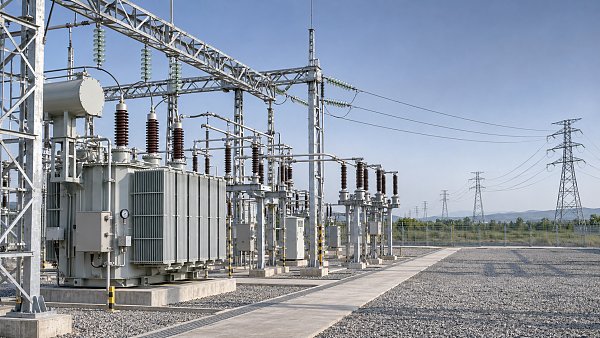
 UHV TransformersGE Vernova to Invest $34.5 Million in Louisiana Transformer Plant ExpansionGE Vernova plans a $34.5 million transformer plant expansion in Louisiana. Explore its potential impact on North American supply and procurement.By: Dr. Elena VoltNov 11, 2026
 Digital SeaMetro Station Noise Criteria: Limits and Measurement MethodsExplore metro station noise criteria, applicable limits and measurement methods. Learn how to select metrics and assess compliance with confidence.By: Captain Kenji SatoNov 11, 2026
 Digital SeaKongsberg Maritime Unveils Arctic Hunter Unmanned Surface VesselKongsberg Maritime's Arctic Hunter unmanned surface vessel is proposed for the Royal Navy's Type 92 programme. Explore its technology and procurement implications.By: Captain Kenji SatoNov 10, 2026
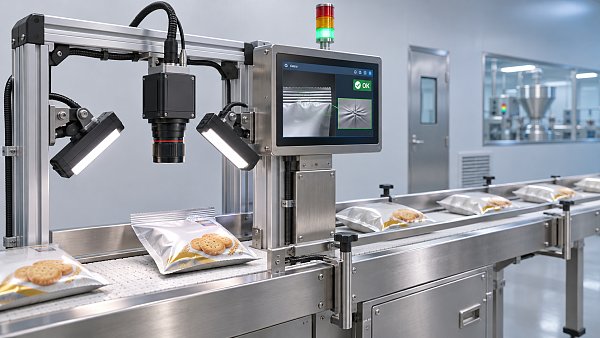
 Sorting RobotsHow Accurate Is AI in Food Quality Control? Metrics and Testing MethodsExplore AI in food quality control accuracy, from recall and false negatives to validation methods. Learn how to assess real-world inspection reliability.By: Marcus SterlingNov 10, 2026
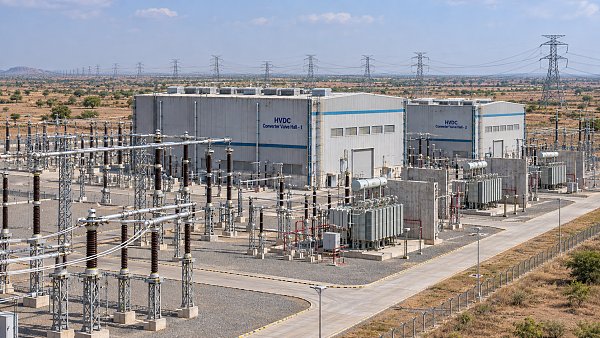
 UHV TransformersGE Vernova Selected for 6 GW HVDC Link in IndiaGE Vernova will design a 6 GW HVDC link for PGCIL, connecting Rajasthan and South Kalamb to support India's clean energy transition. Discover the project.By: Dr. Elena VoltNov 09, 2026
 Grid ResilienceEurope's Grid Compliance Standards in 2026: Generator Connection RequirementsExplore new grid compliance standards 2026 Europe projects must address, from generator connection rules to testing and documentation. Prepare for approval.By: Dr. Elena VoltNov 09, 2026
 Technical FabricsNonwoven Bonding Cost Data: Comparing Thermal and Chemical ProcessesExplore nonwoven bonding cost data to compare thermal and chemical processes, assess usable yield, and choose the best-value option for your application.By: Chloe DuboisNov 08, 2026
 Fiber LasersIndustrial Lasers to 2035: Automotive Lightweighting and Precision Welding Drive DemandExplore the industrial laser market outlook to 2035 and discover how automotive lightweighting and precision welding could shape demand and procurement.By: Dr. Hideo TanakaNov 07, 2026
 Technical FabricsChoosing Geotextile Under Railway Ballast: Key Performance RequirementsChoosing geotextile under railway ballast? Explore essential filtration, drainage, strength and durability criteria to make a confident, project-specific selection.By: Chloe DuboisNov 07, 2026
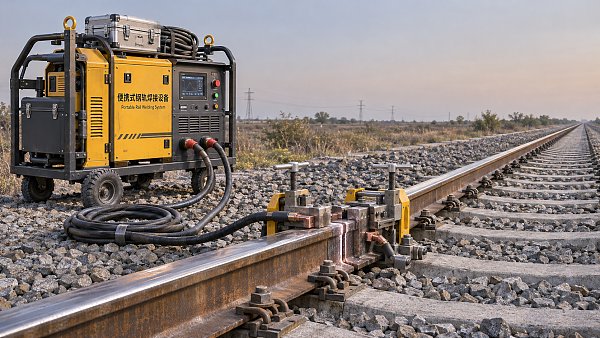
 Digital SeaChoosing Rail Welding Equipment for Maintenance: Field Conditions and Weld TypesChoose rail welding equipment for maintenance with confidence. Compare welding methods, field constraints, inspection needs, and lifecycle costs.By: Captain Kenji SatoNov 06, 2026
 Digital SeaIndia Broadband Forum Urges Stronger Submarine Cable ResilienceIndia’s submarine cable resilience is in focus as the Broadband India Forum urges faster repairs, more vessels and stronger landing infrastructure.By: Captain Kenji SatoNov 06, 2026
 Digital SeaChoosing a Railway Network Switch Supplier: Reliability and Support CriteriaChoosing a railway network switch supplier? Compare reliability, standards evidence, cybersecurity, and lifecycle support to reduce project risk.By: Captain Kenji SatoNov 05, 2026