BDI: 1,842 ▼ 1.2%
COTTON NO.2: 84.12 ▲ 0.4%
LME COPPER: 8,432.50 ▲ 2.1%
FOOD SAFETY INDEX: 94.2 ARCHIVE_SECURED
OPTICAL INDEX: 11,204.09 STABLE
BDI: 1,842 ▼ 1.2%

SECTOR INDEX
V.24.08 ARCHIVE
Hot Articles
- Nonwoven Bonding Cost Data: Comparing Thermal and Chemical ProcessesExplore nonwoven bonding cost data to compare thermal and chemical processes, assess usable yield, and choose the best-value option for your application.
- Industrial Lasers to 2035: Automotive Lightweighting and Precision Welding Drive DemandExplore the industrial laser market outlook to 2035 and discover how automotive lightweighting and precision welding could shape demand and procurement.
- Choosing Geotextile Under Railway Ballast: Key Performance RequirementsChoosing geotextile under railway ballast? Explore essential filtration, drainage, strength and durability criteria to make a confident, project-specific selection.
Choosing a Railway Network Switch Supplier: Reliability and Support Criteria


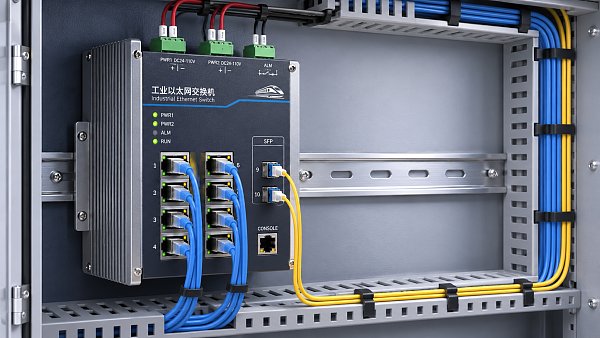
Choosing a railway network switch supplier involves more than comparing hardware specifications and prices. Procurement teams must assess operating conditions, network performance, and applicable railway standards.
Supplier capabilities matter just as much: documentation, lifecycle support, spare-parts availability, and responsiveness can all affect long-term costs and project risk.
The strongest supplier is not necessarily the lowest bidder. It is the one that can demonstrate product suitability, provide verifiable evidence, and commit to support throughout the required service life.
Start With the Application and Its Consequences

Before requesting quotations, establish where each switch will operate. A device installed on a train faces different environmental, power, and approval requirements from one installed in a station.
Identify whether the network supports passenger information, CCTV, operational communications, or another function. Document the consequences of failure and the recovery time acceptable to the operator.
Do not assume that an industrial Ethernet switch is automatically suitable for rolling stock. Railway deployment may require specific evidence for temperature, shock, vibration, power supply, and electromagnetic compatibility.
Also distinguish ordinary operational networks from safety-related applications. A compliant switch does not, by itself, make a safety function compliant; system-level safety assessment and integration remain essential.
Give suppliers a consistent application brief covering installation location, interfaces, traffic needs, maintenance access, and intended service life. Comparable inputs make competing proposals easier to evaluate.
Which Railway Standards and Evidence Should Buyers Request?
Ask each supplier to identify the standards applicable to the proposed installation, including relevant editions, amendments, and any project-specific requirements. Avoid accepting an unqualified claim of “railway certified.”
For electronic equipment used on rolling stock, EN 50155 is commonly relevant. Its requirements should be assessed against the actual application, equipment classification, and contractual specifications.
Other standards may also apply, including EN 50121 series requirements for electromagnetic compatibility and EN 61373 for shock and vibration. Applicability depends on installation and project scope.
Where fire performance matters, ask how the equipment and its materials meet applicable project requirements, potentially including relevant parts of EN 45545. Do not assume one test covers every installation.
Request full test reports or controlled summaries that identify the tested product, hardware revision, test conditions, laboratory, and results. A certificate alone may not establish application-specific coverage.
Check whether testing covers the offered configuration, including power supplies, port modules, connectors, and firmware where relevant. Ask the supplier to explain any differences from the tested sample.
If independent testing or laboratory accreditation is required, state that explicitly in the tender. Confirm the laboratory’s scope and whether the evidence remains valid after design changes.
For international projects, involve the operator and engineering team early. Local regulations, customer specifications, and acceptance procedures may add obligations beyond the standards listed in a product brochure.
How Can You Verify Reliability in the Intended Environment?
Compare the specified operating temperature with the actual cabinet or vehicle environment, including heat buildup and startup conditions. Confirm whether the full temperature range applies to every selected component.
Review vibration and shock evidence against the intended mounting location. A switch tested for one installation category may not be suitable for another without further assessment.
For onboard power, examine nominal voltage, permitted variations, interruptions, and transient conditions. Confirm that the proposed power input and protection arrangements match the vehicle supply.
Ingress protection, connector locking, grounding, and cable strain relief deserve attention where dust, moisture, vibration, or maintenance activity could damage connections. Ask for installation instructions and inspection requirements.
Reliability figures can support comparison, but only when their basis is clear. Request the calculation method, operating assumptions, included components, and distinction between predicted reliability and field performance.
Seek relevant deployment references and failure data for comparable conditions. Ask how failures are classified, how many units are represented, and whether the supplier can substantiate the reported period.
Where failure consequences justify it, require a sample evaluation or pilot. Test installation, power interruptions, environmental behavior, alarm reporting, and recovery using a representative network configuration.
What Network Performance and Recovery Capabilities Matter?
Specify the required port count, Ethernet speeds, copper or fiber interfaces, connector types, and power budget. Include realistic expansion capacity without purchasing unnecessary features across every unit.
Describe expected traffic, including video streams and operational data, and ask suppliers to demonstrate performance under representative loads. Published switching capacity alone does not prove application performance.
Where network segmentation is required, verify support for the necessary VLAN configuration and management functions. Confirm compatibility with the existing network architecture and operator policies.
Redundancy requirements should describe the failure scenarios and acceptable service interruption, not merely request a named protocol. Recovery performance depends on topology, configuration, equipment, and traffic conditions.
Ask the supplier to document supported redundancy protocols and interoperability limitations. Demonstrate failover and restoration with the actual mix of devices whenever practical.
For managed switches, assess monitoring, event logs, alarms, remote configuration, and configuration backup. These features can shorten fault diagnosis, but only if they integrate with the operator’s tools.
Define acceptance tests with measurable results, such as packet loss, recovery time, and alarm visibility. Agree on test conditions and pass criteria before awarding the contract.
Can the Supplier Support Cybersecurity Over the Product Life?
Railway network switches may remain in service for years, making cybersecurity support a procurement issue as well as an engineering concern. Ask who owns updates after installation.
Request documentation on secure management interfaces, authentication, access controls, logging, and the ability to disable unused services. Verify that required features are available in the proposed firmware.
Ask how vulnerabilities are reported, assessed, and communicated, including expected notification channels and patch support periods. Contractual commitments should distinguish response targets from guaranteed remediation times.
Where IEC 62443 requirements apply, specify the relevant parts and required evidence. A supplier’s general alignment claim should not be confused with certification of a particular product or system.
Evaluate how firmware is verified, installed, and rolled back, especially when vehicles or remote sites have limited access. Confirm whether updates require downtime or additional licensing.
Security controls must fit the wider system. Assign responsibility for network design, credential management, monitoring, and patch deployment between the supplier, integrator, operator, and maintenance contractor.
How Strong Is the Supplier’s Technical and Lifecycle Support?
Request a named technical contact and a defined escalation path. Confirm support hours, languages, regional coverage, and whether assistance is available during commissioning and operational incidents.
Test responsiveness during evaluation by submitting a realistic technical question. Assess the accuracy and completeness of the answer as well as the time taken to respond.
Require documentation for installation, configuration, diagnostics, and maintenance. Check that manuals match the proposed hardware and firmware and are available in the languages required by the project.
Ask for a product lifecycle statement covering expected availability, software support, planned obsolescence notices, and replacement options. Treat forecasts differently from commitments written into the contract.
For long-lived fleets, clarify component obsolescence management and the process for hardware substitutions. A replacement may require interoperability checks, renewed testing, or operator approval before deployment.
Specify spare-parts availability, repair turnaround targets, return procedures, and advance replacement options where needed. Confirm whether regional stock or a local repair partner supports those commitments.
Review warranty exclusions carefully, including damage attributed to installation, power quality, or environmental exposure. Understand who pays shipping, diagnosis, and removal costs when a failure occurs.
Ask how the supplier communicates design and firmware changes. Procurement should require advance notice and an approval process for changes that could affect qualification, interfaces, security, or maintainability.
How Should Procurement Compare Total Cost and Contract Risk?
Build a lifecycle cost model using the same operating period and assumptions for each bid. Include acquisition, installation, commissioning, licenses, training, spares, repairs, and planned replacement.
Consider the cost of downtime and maintenance access where reliable estimates are available. A lower purchase price may be outweighed by repeated site visits or a shorter support period.
Record uncertainties separately from quoted prices. For example, an unspecified future firmware fee or uncommitted spare-parts lead time should be visible as a commercial risk.
Assess supply continuity through manufacturing locations, component dependencies, lead times, and business continuity arrangements. Where appropriate, request evidence of capacity and identify potential single points of supply.
Evaluate contractual terms alongside technical claims. Service levels, change notifications, warranty conditions, and end-of-life notice periods are more useful when responsibilities and remedies are clearly defined.
Confirm ownership and access rights for configuration files, diagnostic tools, and documentation. The operator should understand what is needed to maintain the installed equipment throughout its life.
A Practical Supplier Evaluation and Shortlisting Process
Use a two-stage assessment: first screen mandatory requirements, then score qualified offers against weighted technical and commercial criteria. This prevents a low price from offsetting a critical compliance gap.
Mandatory requirements might include the correct installation suitability, required interfaces, acceptable standards evidence, and minimum support commitments. Define exceptions and approval authority before bids are received.
For the scored stage, consider reliability evidence, network functionality, cybersecurity support, lifecycle services, delivery confidence, and total cost. Set weights according to the project’s operational risks.
For example, a fleet with difficult maintenance access may place greater weight on demonstrated field reliability and replacement support than a readily accessible station installation.
Use a consistent evidence table for every bidder. Record the requirement, supplier response, supporting document, verification status, clarification needed, and the person responsible for acceptance.
Involve engineering, cybersecurity, operations, and maintenance teams in the review. Procurement can then negotiate commercial terms against a shared understanding of technical gaps and service obligations.
Before final selection, resolve open deviations in writing and conduct agreed demonstrations or pilot tests. Retain the evidence and acceptance criteria as part of the purchasing record.
Make the Decision on Evidence and Long-Term Fit
A suitable railway network switch supplier can show that its proposed product fits the installation, meets applicable requirements, and performs within the intended network architecture.
The best procurement decision also accounts for support, security updates, spares, and change management. Compare documented commitments and lifecycle costs, then select the offer whose remaining risks are understood and acceptable.
Recommended for You
 Technical FabricsNonwoven Bonding Cost Data: Comparing Thermal and Chemical ProcessesExplore nonwoven bonding cost data to compare thermal and chemical processes, assess usable yield, and choose the best-value option for your application.By: Chloe DuboisNov 08, 2026
 Fiber LasersIndustrial Lasers to 2035: Automotive Lightweighting and Precision Welding Drive DemandExplore the industrial laser market outlook to 2035 and discover how automotive lightweighting and precision welding could shape demand and procurement.By: Dr. Hideo TanakaNov 07, 2026
 Technical FabricsChoosing Geotextile Under Railway Ballast: Key Performance RequirementsChoosing geotextile under railway ballast? Explore essential filtration, drainage, strength and durability criteria to make a confident, project-specific selection.By: Chloe DuboisNov 07, 2026
 Digital SeaChoosing Rail Welding Equipment for Maintenance: Field Conditions and Weld TypesChoose rail welding equipment for maintenance with confidence. Compare welding methods, field constraints, inspection needs, and lifecycle costs.By: Captain Kenji SatoNov 06, 2026
 Digital SeaIndia Broadband Forum Urges Stronger Submarine Cable ResilienceIndia’s submarine cable resilience is in focus as the Broadband India Forum urges faster repairs, more vessels and stronger landing infrastructure.By: Captain Kenji SatoNov 06, 2026
 Digital SeaChoosing a Railway Network Switch Supplier: Reliability and Support CriteriaChoosing a railway network switch supplier? Compare reliability, standards evidence, cybersecurity, and lifecycle support to reduce project risk.By: Captain Kenji SatoNov 05, 2026
 Grid ResilienceUS Grid Equipment Import Ban Raises Cost and Implementation ConcernsThe US grid equipment import ban raises concerns over costs and delivery delays. Explore how unclear criteria could affect procurement and supply chains.By: Dr. Elena VoltNov 05, 2026
 Digital SeaRailway Coupler Price: How Type and Specifications Affect QuotesRailway coupler price depends on type, specifications, and order scope. Learn how to compare quotes, avoid hidden costs, and make a confident buying decision.By: Captain Kenji SatoNov 04, 2026
 Grid ResilienceGlobal Smart Grid Companies Raise $3 Billion in First Nine Months of 2026Global smart grid companies raised $3 billion in the first nine months of 2026. Explore the funding breakdown and potential implications for buyers and suppliers.By: Dr. Elena VoltNov 04, 2026
 Digital SeaChoosing Wholesale Pet Toys: How to Evaluate Suppliers and Minimum OrdersWholesale pet toys: learn how to assess suppliers, compare minimum orders and landed costs, and reduce inventory risk before you buy.By: Captain Kenji SatoNov 03, 2026
 Digital SeaSustainable Packaging Design: How to Choose Materials and Reduce WasteDiscover how sustainable packaging design helps reduce waste, protect products, and control costs with practical material choices and proven testing strategies.By: Captain Kenji SatoNov 02, 2026
 Technical FabricsUSMCA's First Joint Review Puts Textile Supply Chain Rules in FocusUSMCA's first joint review puts textile supply chain rules in focus. Explore potential impacts on origin compliance, sourcing and tariff treatment.By: Chloe DuboisNov 02, 2026
 Digital SeaManufacturing KPI Benchmarking: How to Compare Production PerformanceBenchmarking KPI manufacturing performance? Learn how to compare OEE, quality and downtime, identify meaningful gaps, and turn insights into practical improvements.By: Captain Kenji SatoNov 01, 2026
 Smart MetersCCI Approves Adani Energy Solutions' ₹305 Billion Acquisition of IntelliSmartCCI approves Adani Energy Solutions' ₹305 billion acquisition of IntelliSmart. Discover what the deal could mean for India's smart meter market.By: Dr. Elena VoltNov 01, 2026
 Digital SeaChoosing a Coin Laundry Machinery OEM: What Buyers Should EvaluateChoosing a coin laundry machinery OEM? Compare machine specifications, payment integration, lifecycle costs, and support to make a confident buying decision.By: Captain Kenji SatoOct 31, 2026
 Grid ResilienceUS Energy Department Announces $237 Million Grid SCALED Funding ProgramExplore the DOE's $237 million Grid SCALED funding program and its goals to strengthen grid equipment supply chains, lower electricity costs, and improve resilience.By: Dr. Elena VoltOct 31, 2026
 UHV TransformersA Decade of UHV Power in Shandong: Province Leads in Station NumbersShandong UHV power leads China in station numbers. Explore a decade of grid development and its implications for electricity supply and business planning.By: Dr. Elena VoltOct 30, 2026
 Digital SeaChoosing a Composite Train Body Panel Manufacturer: Fire Safety and Quality ChecksChoosing a composite train body panels manufacturer? Learn how to verify fire test evidence, audit production quality, and avoid costly approval gaps before you buy.By: Captain Kenji SatoOct 29, 2026
 Subsea ROV/AUVOcean Infinity Deploys Six AUVs Together Beyond 5,000 MetresOcean Infinity reportedly deployed six HUGIN AUVs beyond 5,200 metres. Explore what concurrent deepwater missions could mean for seabed surveys and procurement.By: Captain Kenji SatoOct 29, 2026
 Grid ResilienceRenewable Energy Grid Balancing: How Storage and Demand Response Work TogetherExplore renewable energy grid balancing with storage and demand response. Learn how coordinated controls manage shortfalls, absorb surplus power, and improve grid reliability.By: Dr. Elena VoltOct 28, 2026
 Subsea ROV/AUVSeaber Introduces 13 kg RAVEN AUV to Target Mine Countermeasure CostsSeaber’s 13 kg RAVEN AUV targets lower mine countermeasure costs with two mission configurations. Explore its potential value for naval operations and procurement.By: Captain Kenji SatoOct 28, 2026
 Digital SeaBallast Water Management Rules: IMO vs. USCG Compliance RequirementsBallast water management rules explained: compare IMO and USCG approvals, operating limits, and records. Get practical checks to reduce compliance risks and costly port delays.By: Captain Kenji SatoOct 27, 2026
 Subsea ROV/AUVEni Signs Main Cronos Contracts, Moving Gas Project into ExecutionEni’s Cronos gas project enters execution as major contracts are signed. Explore the Cyprus development, Egypt processing plans and key milestones toward first gas in 2028.By: Captain Kenji SatoOct 27, 2026
 Aseptic FillingWhich Tests Verify Commercial Sterility in Aseptically Filled Foods?Explore aseptic filled food tests, from incubation and microbiology to package integrity. Learn how connected evidence supports confident commercial sterility release decisions.By: Marcus SterlingOct 26, 2026
 Fabric LogicWater-Free Textile Printing: Fabric Compatibility and Pretreatment LimitsExplore water free textile printing for polyester, cotton, and blends. Learn pretreatment limits and key durability tests to choose the right process and avoid costly production mistakes.By: Chloe DuboisOct 26, 2026
 Dyeing MachinesHow Waterless CO2 Dyeing Works—and Why Polyester Is a Strong FitDiscover how waterless dyeing with supercritical CO2 colors polyester, why this fiber is a strong fit, and what to verify for consistent shades and measurable resource savings.By: Chloe DuboisOct 26, 2026
 Smart MetersSourcing Smart Meter Structural Components from China: An RFQ ChecklistExport smart meter structural components from China with confidence. Use this RFQ checklist to compare materials, tooling, quality, and delivered costs—and avoid costly sourcing mistakes.By: Dr. Elena VoltOct 26, 2026
 Optical SensorsEvaluating an Optical Detection Factory: Calibration and RepeatabilityEvaluate an optical detection factory with confidence. Learn how calibration, traceability, and repeatability trials reveal production reliability and help you choose the right supplier.By: Dr. Hideo TanakaOct 26, 2026
 Precision LensesChoosing a Welding Optics Supplier in China: Coatings and Damage ThresholdsCompare welding optics supplier China options for coating quality, verified damage thresholds, and batch consistency. Learn how to reduce downtime and buy with confidence.By: Dr. Hideo TanakaOct 26, 2026
 Aseptic FillingStainless Steel Mixing Tanks: Cleaning Access Checks Before PurchaseBuying stainless steel mixing tanks? Check cleaning access, CIP coverage, drainage, and acceptance tests before purchase to reduce changeover headaches and make a confident choice.By: Marcus SterlingOct 26, 2026
 Digital SeaRail Communication Bandwidth in Europe: GSM-R and FRMCS Bands ExplainedRail communication bandwidth Europe: explore GSM-R and FRMCS bands, compare 900 MHz and 1900 MHz spectrum, and discover key checks for smarter network planning.By: Captain Kenji SatoOct 26, 2026