BDI: 1,842 ▼ 1.2%
COTTON NO.2: 84.12 ▲ 0.4%
LME COPPER: 8,432.50 ▲ 2.1%
FOOD SAFETY INDEX: 94.2 ARCHIVE_SECURED
OPTICAL INDEX: 11,204.09 STABLE
BDI: 1,842 ▼ 1.2%

SECTOR INDEX
V.24.08 ARCHIVE
Hot Articles
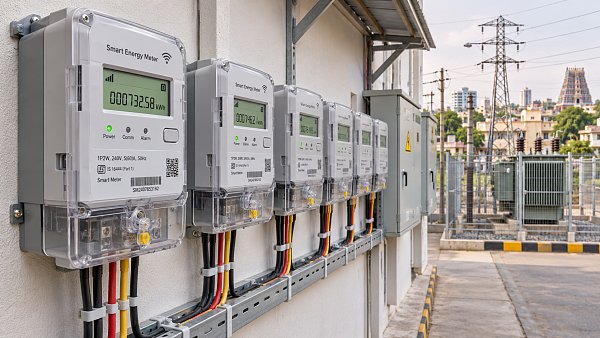
- Tamil Nadu Plans SIM-Based Upgrade for 17.7 Million Smart MetersTamil Nadu plans 17.7 million smart meters with proposed SIM-based upgrades. Explore potential supplier opportunities and the tender details still to come.
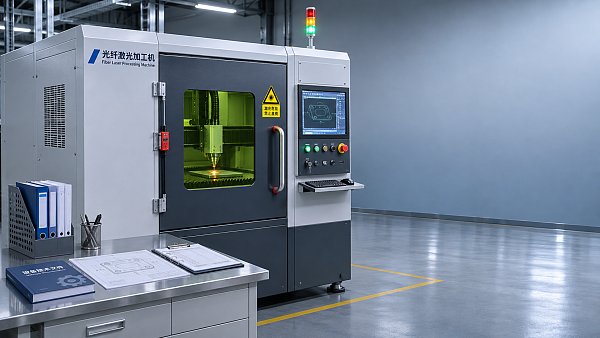
- Fiber Laser CE Marking: EU Safety Requirements and DocumentationFiber laser CE compliance goes beyond the mark. Explore EU safety requirements, essential documentation and practical checks before purchasing.
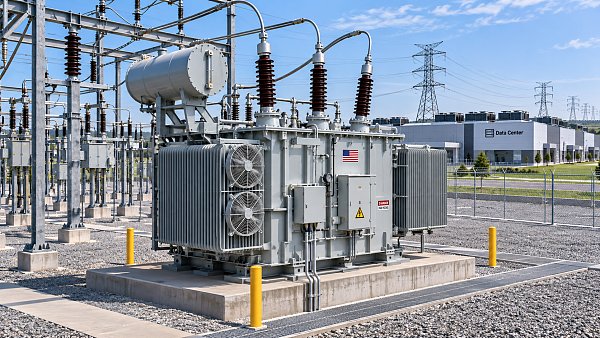
- US Grid Equipment Shortages Could Hinder $1 Trillion UpgradeUS grid equipment shortages could hinder a $1 trillion upgrade. Explore how transformer supply, data centers and rising power demand could affect grid projects.
Which food safety certifications apply to aseptic packaging systems?


Which food safety certifications apply to aseptic packaging systems?
For quality control and safety managers, one procurement question deserves a precise answer: what food safety certifications should a system for aseptic packaging have? The answer requires distinguishing facility-level certifications, such as ISO 22000, FSSC 22000, and BRCGS, from equipment hygiene requirements, food-contact compliance, and aseptic process validation. A certificate alone does not demonstrate that a packaging line can consistently maintain commercial sterility. This guide examines which credentials apply, how requirements vary by market and application, and what supplier documentation to verify before approving an aseptic packaging system.
There is no single, universally required “aseptic packaging certification” covering the complete machine, packaging material, production facility, and finished food. The practical requirement is a documented chain of evidence. Each document must address the right object: an organization, a component, a contact material, or a validated process.
Start by asking what the certificate actually covers
A machinery supplier may display an ISO 22000 certificate, but that does not automatically mean its filler has been independently certified for aseptic performance. Similarly, a certified packaging-material factory does not prove that a particular laminate tolerates the sterilization conditions used on your line.
Read the certificate scope before considering the logo. Check the legal entity, manufacturing address, activities covered, validity, and issuing body. For equipment-related credentials, match the model and configuration to the equipment being supplied. A certificate covering one valve design cannot be extended casually to an entire filling system.
Where ISO 22000, FSSC 22000, and BRCGS fit
ISO 22000 sets requirements for a food safety management system. It addresses hazard control, communication, prerequisite programs, and management-system responsibilities. It is relevant to organizations within the food chain, but it is not a machine performance standard. Whether it is appropriate for a supplier depends on that supplier's activities and certification scope.
FSSC 22000 combines ISO 22000 with applicable sector-specific prerequisite-program requirements and additional scheme requirements. Its relevance must be assessed by food-chain category and scope. Food manufacturing and food-packaging manufacturing are distinct activities; a supplier's certificate should identify what has actually been audited.
BRCGS Food Safety generally applies to food manufacturing operations, while BRCGS Packaging Materials addresses packaging-material production. For an aseptic carton or pouch supplier, the latter may be commercially important. It still does not replace evidence that the exact material structure is suitable for food contact and compatible with the selected sterilization process.
Retailers and brand owners may require certification under a GFSI-recognized program. GFSI benchmarks certification programs; it does not issue a universal “GFSI certificate” to packaging machines. Confirm the applicable program, version, and scope rather than accepting that phrase as a complete answer.
ISO 9001 can support supplier quality controls, including traceability and change management. It should not be presented as a substitute for food safety certification or aseptic validation.
Hygienic design credentials matter—but check their boundaries
An aseptic line must be cleanable and capable of maintaining the required sterile conditions. Those are related objectives, not interchangeable claims. Equipment can be easy to clean yet have an inadequately controlled sterile barrier, poorly positioned monitoring points, or an unvalidated restart sequence.
EHEDG certification can provide useful evidence for equipment within its stated certification category and scope. Relevant 3-A Sanitary Standards and authorization to use the 3-A Symbol may also support an assessment, particularly in dairy applications. Neither credential is universally mandatory for every aseptic packaging installation.
The distinction between “designed according to EHEDG guidance” and “EHEDG-certified” matters. Likewise, “3-A compliant” is not necessarily evidence of current authorization to display the 3-A Symbol. Ask for the actual certificate or authorization record and verify it through the relevant organization's directory.
During design review, examine drainage, product-contact joints, seals, instrument connections, and areas where product can collect. Then review how cleaning-in-place and sterilization-in-place are demonstrated. A certified component installed in an unsuitable piping arrangement can lose the practical benefit its design was intended to provide.
CE marking addresses applicable European product legislation; it is not an aseptic food safety certificate. An electrical safety approval is similarly valuable for its own purpose but says nothing about commercial sterility.
Food-contact compliance needs conditions, not just declarations
Aseptic systems expose food-contact materials to more than the finished product. Seals, hoses, package layers, and closures may encounter heat, cleaning agents, or sterilants. Documentation should therefore match both food exposure and the intended processing environment.
In the European Union, Regulation (EC) No 1935/2004 provides the general food-contact framework, and Regulation (EC) No 2023/2006 addresses good manufacturing practice. Regulation (EU) No 10/2011 applies to plastic materials and articles within its scope. Other materials may require assessment against different EU or national provisions. Request declarations of compliance where required, together with supporting migration evidence and restrictions on use.
For the United States, request the specific regulatory basis for each relevant food-contact substance or material. This may involve applicable provisions in 21 CFR or an effective Food Contact Notification, depending on the substance and use. A generic “FDA approved” statement is not enough; FDA does not provide blanket approval of an entire aseptic packaging machine.
The useful questions are concrete: Which foods? What contact time and temperature? Single use or repeated use? Which sterilant and exposure conditions? A declaration supporting aqueous foods at ambient temperature does not automatically support a fatty product under different processing conditions.
Commercial sterility must be demonstrated across the system
Commercial sterility is not a claim that absolutely no microorganism exists. Its regulatory meaning concerns organisms capable of growing under the relevant normal storage and distribution conditions, with public-health requirements forming part of the applicable definition. The exact definition should be checked against the governing regulation.
For an aseptic operation, validation must connect product treatment, downstream sterile equipment, package sterilization, the filling environment, and closure integrity. Successful product sterilization cannot compensate for contamination introduced at the filler.
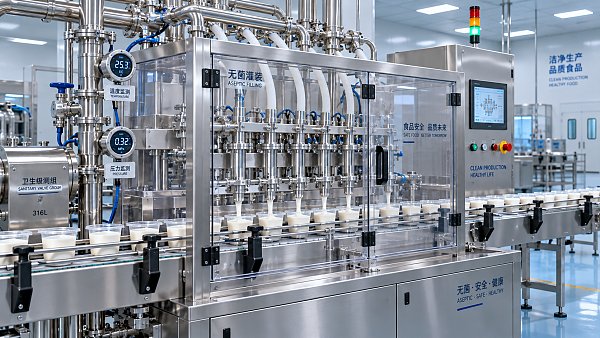
Consider a line moving from a relatively homogeneous beverage to a more viscous formulation. Heat transfer, residence-time behavior, fouling, and filling performance may change. Reusing the previous validation simply because the machine model is unchanged is not a defensible approach. The responsible technical authority should determine which studies and operating limits need reassessment.
Request evidence covering the defined worst-case conditions: sterilization effectiveness, sterile-zone protection, package integrity, and recovery after interruptions. Biological challenge testing and media fills or other microbiological qualification approaches may be appropriate, but their design must fit the process. End-product sampling alone cannot establish that every package was processed safely.
United States requirements depend on the product category
For applicable low-acid foods packaged in hermetically sealed containers, 21 CFR Part 113 includes requirements relevant to aseptic processing and packaging. Establishment registration and scheduled-process filing requirements appear in 21 CFR 108.35. The scheduled process must be established by qualified persons with appropriate expertise. These obligations are not equivalent to obtaining a machinery certificate.
Do not extend those requirements indiscriminately to every beverage or food. Acidified foods, juice, and dairy products can involve different or additional regulatory frameworks. Product formulation, container type, storage conditions, and destination market should be classified before the purchase specification is finalized.
Turn the procurement checklist into acceptance criteria
Before approving an aseptic packaging system, assemble an evidence package that connects supplier claims to the intended installation. The most useful requests are:
- Current certificates with verifiable scopes, sites, models, and certification bodies.
- A hygienic design dossier, including product-contact drawings, material specifications, and cleaning and sterilization provisions.
- Food-contact documentation matched to the actual product and processing conditions.
- A validation plan defining critical limits, monitoring, alarms, interlocks, and responses to loss of aseptic conditions.
- Factory and site acceptance protocols with responsibilities, pass criteria, and unresolved deviations clearly recorded.
- Change-control requirements for software, seals, packaging materials, product recipes, and operating settings.
Factory acceptance testing can establish mechanical function and control logic. It does not necessarily reproduce the installed utilities, product characteristics, or environmental conditions. Site qualification and process validation should close those gaps before commercial release.
For a cross-sector technical benchmarking resource such as Global Multi-Core Enterprise (G-MCE), the relevant contribution is keeping these evidence categories separate. Comparing machinery against international standards is useful only when the comparison also identifies certificate scope, local regulatory obligations, and application-specific validation needs.
Specify the intended product range and markets first. Then require each claim to have an owner, a supporting document, and an acceptance criterion. If a supplier can show a certificate but cannot explain how the installed line will detect and respond to a loss of sterility, the approval package is still incomplete.
Recommended for You
 Smart MetersTamil Nadu Plans SIM-Based Upgrade for 17.7 Million Smart MetersTamil Nadu plans 17.7 million smart meters with proposed SIM-based upgrades. Explore potential supplier opportunities and the tender details still to come.By: Dr. Elena VoltNov 22, 2026
 Fiber LasersFiber Laser CE Marking: EU Safety Requirements and DocumentationFiber laser CE compliance goes beyond the mark. Explore EU safety requirements, essential documentation and practical checks before purchasing.By: Dr. Hideo TanakaNov 22, 2026
 Grid ResilienceUS Grid Equipment Shortages Could Hinder $1 Trillion UpgradeUS grid equipment shortages could hinder a $1 trillion upgrade. Explore how transformer supply, data centers and rising power demand could affect grid projects.By: Dr. Elena VoltNov 21, 2026
 Digital SeaChoosing Bluetooth Speakers: Sound Quality, Battery Life and PortabilityBluetooth speakers come in all shapes and sizes. Learn how to compare sound quality, battery life and portability to find the right fit for your listening needs.By: Captain Kenji SatoNov 21, 2026
 Subsea ROV/AUV2025 Ocean Equipment Report: China's Industry Moves Toward Scaled ApplicationChina's marine equipment industry is moving toward scaled application. Explore what the 2025 Ocean Equipment Report could mean for buyers, suppliers and offshore projects.By: Captain Kenji SatoNov 20, 2026
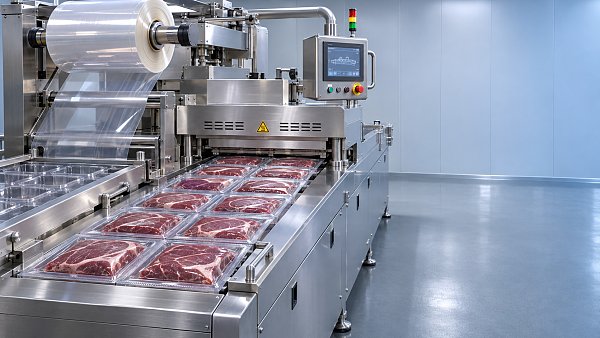
 Digital SeaChoosing a Thermoforming Vacuum Packaging Machine for Meat ProductsChoose a thermoforming vacuum packaging machine for meat with confidence. Compare sealing, film compatibility, hygiene and real-world production capacity.By: Captain Kenji SatoNov 20, 2026
 Digital SeaGreen Station Certification Cost: Fees and Budget ConsiderationsGreen station certification cost varies by scheme and site. Explore fees, hidden expenses, and budgeting tips to plan confidently and compare providers.By: Captain Kenji SatoNov 19, 2026
 UHV TransformersLIMiK Capital to Invest $328 Million in South Carolina Transformer PlantLIMiK Capital plans a $327.7 million transformer plant in South Carolina. Explore its potential impact on US grid supply and procurement.By: Dr. Elena VoltNov 18, 2026
 Digital SeaHow to Choose STEM Kits for Kids by Age, Interests, and Skill LevelChoose STEM kits that match your child's age, interests, and skills. Explore safety tips, project ideas, and practical checks to find an engaging fit.By: Captain Kenji SatoNov 18, 2026
 Digital SeaManufacturing Supplier Requirements: What to Include in Technical SpecificationsDiscover how manufacturing technical specifications and supplier requirements improve quality, simplify comparisons, and prevent delays with measurable acceptance criteria.By: Captain Kenji SatoNov 17, 2026
 Digital SeaChina's Environment Ministry Opens ALC Submarine Cable Project to ReviewChina's Environment Ministry opens the ALC submarine cable project's environmental assessment to review. Explore the proposed marine protection measures and what comes next.By: Captain Kenji SatoNov 16, 2026
 Precision LensesOptical Lens Surface Roughness Testing: Methods and Ra InterpretationOptical lens surface roughness testing explained: compare measurement methods, interpret Ra values, and define reliable acceptance criteria.By: Dr. Hideo TanakaNov 16, 2026
 Digital SeaBusiness Growth Strategies: How to Choose the Right Path for Your CompanyExplore business growth strategies and learn how to compare market opportunities, costs, risks, and capabilities to choose the right path for your company.By: Captain Kenji SatoNov 15, 2026
 Smart MetersIndia’s Competition Commission Approves Adani Acquisition of IntelliSmartExplore the reported CCI approval of Adani’s IntelliSmart acquisition and what a larger Indian smart meter platform could mean for suppliers and investors.By: Dr. Elena VoltNov 14, 2026
 Digital SeaHow Does a Ballast Cleaner Screening System Separate Track Ballast?Discover how a ballast cleaner screening system separates reusable stone from fines, what affects performance, and how to assess the results.By: Captain Kenji SatoNov 14, 2026
 Smart MetersPakistan to Seek World Bank and ADB Funding for Smart MetersPakistan seeks World Bank and ADB funding for smart meters on distribution transformers. Explore the plan to tackle power theft and improve grid efficiency.By: Dr. Elena VoltNov 13, 2026
 Digital SeaWhat Is Precision Medicine and How Does It Guide Treatment?Discover how precision medicine uses biomarkers and genetic insights to guide treatment, where it can help, and what to ask before testing.By: Captain Kenji SatoNov 13, 2026
 Grid Resilience2026 CSEE Annual Meeting Opens with Focus on AI and Power SystemsThe 2026 CSEE Annual Meeting explores AI, low-carbon power systems and ultra-high-voltage transmission. Discover why these discussions matter.By: Dr. Elena VoltNov 12, 2026
 Digital SeaShip Radar Detection Range: How Far Can It See and What Limits It?Ship radar detection range depends on more than the display scale. Discover how antenna height, weather, target size, and settings affect what radar can see.By: Captain Kenji SatoNov 12, 2026
 UHV TransformersGE Vernova to Invest $34.5 Million in Louisiana Transformer Plant ExpansionGE Vernova plans a $34.5 million transformer plant expansion in Louisiana. Explore its potential impact on North American supply and procurement.By: Dr. Elena VoltNov 11, 2026
 Digital SeaMetro Station Noise Criteria: Limits and Measurement MethodsExplore metro station noise criteria, applicable limits and measurement methods. Learn how to select metrics and assess compliance with confidence.By: Captain Kenji SatoNov 11, 2026
 Digital SeaKongsberg Maritime Unveils Arctic Hunter Unmanned Surface VesselKongsberg Maritime's Arctic Hunter unmanned surface vessel is proposed for the Royal Navy's Type 92 programme. Explore its technology and procurement implications.By: Captain Kenji SatoNov 10, 2026
 Sorting RobotsHow Accurate Is AI in Food Quality Control? Metrics and Testing MethodsExplore AI in food quality control accuracy, from recall and false negatives to validation methods. Learn how to assess real-world inspection reliability.By: Marcus SterlingNov 10, 2026
 UHV TransformersGE Vernova Selected for 6 GW HVDC Link in IndiaGE Vernova will design a 6 GW HVDC link for PGCIL, connecting Rajasthan and South Kalamb to support India's clean energy transition. Discover the project.By: Dr. Elena VoltNov 09, 2026
 Grid ResilienceEurope's Grid Compliance Standards in 2026: Generator Connection RequirementsExplore new grid compliance standards 2026 Europe projects must address, from generator connection rules to testing and documentation. Prepare for approval.By: Dr. Elena VoltNov 09, 2026
 Technical FabricsNonwoven Bonding Cost Data: Comparing Thermal and Chemical ProcessesExplore nonwoven bonding cost data to compare thermal and chemical processes, assess usable yield, and choose the best-value option for your application.By: Chloe DuboisNov 08, 2026
 Fiber LasersIndustrial Lasers to 2035: Automotive Lightweighting and Precision Welding Drive DemandExplore the industrial laser market outlook to 2035 and discover how automotive lightweighting and precision welding could shape demand and procurement.By: Dr. Hideo TanakaNov 07, 2026
 Technical FabricsChoosing Geotextile Under Railway Ballast: Key Performance RequirementsChoosing geotextile under railway ballast? Explore essential filtration, drainage, strength and durability criteria to make a confident, project-specific selection.By: Chloe DuboisNov 07, 2026
 Digital SeaChoosing Rail Welding Equipment for Maintenance: Field Conditions and Weld TypesChoose rail welding equipment for maintenance with confidence. Compare welding methods, field constraints, inspection needs, and lifecycle costs.By: Captain Kenji SatoNov 06, 2026
 Digital SeaIndia Broadband Forum Urges Stronger Submarine Cable ResilienceIndia’s submarine cable resilience is in focus as the Broadband India Forum urges faster repairs, more vessels and stronger landing infrastructure.By: Captain Kenji SatoNov 06, 2026
 Digital SeaChoosing a Railway Network Switch Supplier: Reliability and Support CriteriaChoosing a railway network switch supplier? Compare reliability, standards evidence, cybersecurity, and lifecycle support to reduce project risk.By: Captain Kenji SatoNov 05, 2026