BDI: 1,842 ▼ 1.2%
COTTON NO.2: 84.12 ▲ 0.4%
LME COPPER: 8,432.50 ▲ 2.1%
FOOD SAFETY INDEX: 94.2 ARCHIVE_SECURED
OPTICAL INDEX: 11,204.09 STABLE
BDI: 1,842 ▼ 1.2%

SECTOR INDEX
V.24.08 ARCHIVE
Hot Articles
- Tamil Nadu Plans SIM-Based Upgrade for 17.7 Million Smart MetersTamil Nadu plans 17.7 million smart meters with proposed SIM-based upgrades. Explore potential supplier opportunities and the tender details still to come.
- Fiber Laser CE Marking: EU Safety Requirements and DocumentationFiber laser CE compliance goes beyond the mark. Explore EU safety requirements, essential documentation and practical checks before purchasing.
- US Grid Equipment Shortages Could Hinder $1 Trillion UpgradeUS grid equipment shortages could hinder a $1 trillion upgrade. Explore how transformer supply, data centers and rising power demand could affect grid projects.
Nonwoven Bonding Cost Data: Comparing Thermal and Chemical Processes


Thermal bonding can offer a lower conversion cost when a nonwoven contains suitable thermoplastic fibers, runs consistently, and meets the required performance without additional treatment. Chemical bonding can be the more economical choice when a binder enables the use of a preferred fiber blend or provides properties that would otherwise require a more expensive construction. Neither process has an inherent cost advantage across every product.
Useful nonwoven bonding cost data must therefore go beyond the quoted price per kilogram. Fiber selection, binder add-on, drying energy, production yield, and the volume committed to a supplier can change the comparison. The starting point is to define the same finished-product requirements for both options and calculate the cost of material that can actually be accepted and used.
Start with the finished product, not the bonding process
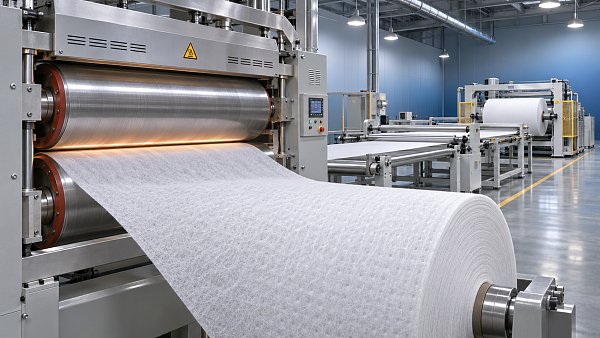
Thermal bonding uses heat to soften or melt a thermoplastic component that joins fibers at contact points. Depending on the construction, the bonding component may be part of the fiber blend or contained in a bicomponent fiber. Common methods include heated calender rolls and through-air bonding, which can produce different fabric structures and require different equipment.
Chemical bonding applies a binder, often as a water-based formulation, to hold fibers together. The binder may be applied by methods such as saturation, spraying, or printing, followed by drying and, where required, curing. The amount and distribution of binder influence both cost and fabric characteristics.
These are broad process families, not two interchangeable recipes. A calender-bonded fabric may suit a thin, dimensionally controlled material, while a through-air product may be chosen for a loftier structure. A chemically bonded fabric may be attractive when the desired fiber blend does not bond readily with heat or when the binder helps achieve a particular strength, hand feel, or wet performance. Each outcome depends on the formulation and process settings.
Before requesting prices, define what the material must do in use: its required mass per unit area, width, strength, softness, absorbency or other relevant properties, and how it will be converted. A bonding method that reduces production cost but causes tearing, poor handling, or excessive waste on the converting line may be more expensive overall.
Where thermal and chemical bonding costs differ
These differences identify what to examine; they do not predict the winning process. A supplier with an efficient dryer, favorable energy contract, and high line utilization may offer a competitive chemically bonded material. Another supplier may produce a thermally bonded alternative at lower cost because its existing line and fiber supply are well matched to the specification.
Build a comparable cost per usable unit
For a purchased roll good, start with the delivered cost and add the costs that arise before the material becomes usable output. A practical comparison is:
Cost per usable unit = (delivered material cost + incoming handling and testing + attributable conversion losses and other agreed costs) ÷ usable output.
The usable unit can be a kilogram, square meter, roll, or finished part. Choose the unit that reflects how the material is purchased and consumed. If the application is area-based, compare cost per usable square meter at the specified basis weight, rather than relying only on cost per kilogram. A lighter fabric can cover more area per kilogram, but only if it still meets the required performance.
Use the same accounting boundary for each offer. Delivered cost should reflect the relevant freight, packaging, duties, and other charges under the quoted commercial terms. If one offer includes testing or special packaging and another charges separately, normalize those items before comparing prices.
Yield deserves particular attention. Include expected losses from start-up, roll changes, edge trim, defects, and converting where they are attributable to the material. Avoid counting the same loss twice: if a supplier’s quote already covers only accepted roll weight, its internal production scrap is normally reflected in that price. Your own downstream losses may still differ between materials.
For an in-house production decision, the boundary is wider. Add fiber, binder, utilities, labor, maintenance, waste handling, and other operating costs, then account separately for equipment investment and financing over a stated evaluation period. Do not add a supplier’s internal production costs again to a finished-material purchase price.
The details behind the numbers
Fiber cost can outweigh the apparent bonding advantage
A thermal process needs enough compatible material in the web to form the required bonds. If the specified properties call for a more expensive bonding fiber, the fiber premium may offset savings elsewhere. Conversely, an existing blend that already contains a suitable thermoplastic component may make thermal bonding commercially attractive.
Chemical bonding may accommodate fibers that are difficult to bond thermally, but the binder changes the composition of the finished fabric. Compare the full blend and finished fabric, not just the price of the base fiber. A cheaper fiber has little value if the resulting material needs substantially more binder or fails the application’s performance requirements.
Binder price is only part of binder cost
Binder is often purchased or applied as a liquid containing both active solids and water. Two binder quotes with the same price per kilogram of liquid can have different costs per kilogram of active solids. For a meaningful comparison, request the solids content, the binder add-on expressed on a clearly defined basis, and the consumption associated with acceptable finished output.
Also distinguish binder purchased from binder retained in the fabric. Losses during handling, application, cleaning, and changeovers affect the amount purchased. A lower nominal add-on may not deliver a saving if it creates inconsistent strength or increases rejects.
Energy and line speed must be considered together
Chemical bonding often requires energy to remove water introduced with the binder. A formulation or application method that puts less water into the web may reduce the drying load, but changes in pickup can also affect binder distribution and final properties.
Thermal bonding also consumes energy, and equipment must deliver the required heat uniformly at the intended line speed. Comparing oven or dryer power ratings alone is misleading: the relevant measure is energy attributable to a defined quantity of acceptable product under representative operating conditions. Include warm-up, shutdown, and changeover energy when short runs make those costs material.
Ask whether the quoted production rate reflects the actual fabric, basis weight, and quality specification. A theoretical maximum line speed does not show whether the process can maintain acceptable quality over the order volume.
When a lower fabric price becomes a higher project cost
Roll quality can change the economics after delivery. Poor width consistency, defects, uneven bonding, or roll formation problems may slow cutting and increase waste. For automated converting, even a modest difference in runnability can matter more than a small difference in the material quote.
Storage and shelf life may also affect planning. For chemically bonded materials, properties can depend on the binder system and storage conditions. For either bonding method, packaging, moisture exposure, and compression may influence how the material arrives and performs. Specify the expected storage period and handling conditions when they matter to the application.
End-use requirements can affect the acceptable formulations. A material intended for skin contact, food contact, filtration, or another controlled use may require particular documentation or testing based on its intended market and application. Ask suppliers to identify the materials and evidence they can provide against the written requirements. Do not assume that either bonding method automatically meets every requirement for a given use.
Disposal and process waste belong in the comparison when they create a measurable cost. In-house chemical bonding may involve cleaning residues or wastewater management; thermal bonding may generate different trim or off-spec waste. The relevant cost depends on local handling arrangements and the actual material composition.
Request data suppliers can compare on the same basis
Send each supplier a common specification and ask them to state any proposed deviations. The aim is not to force identical processes, but to make differences visible before a price is selected. A useful request covers:
- Product definition: Fiber composition, bonding method, target basis weight, width, roll dimensions, and tolerances.
- Performance: Required properties, test methods, acceptance limits, and the conditioning used for testing where relevant.
- Commercial terms: Price unit, order volume, minimum order, lead time, delivery terms, packaging, and any separately charged services.
- Process and composition: Bonding component or binder type, stated add-on basis where relevant, and any material restrictions that apply to the end use.
- Quality controls: How the supplier identifies defects, handles roll traceability, and responds to material outside the agreed specification.
- Qualification: Sample availability, trial quantities, and whether production material will be made on the same equipment and to the same formulation as the sample.
When evaluating equipment or contract conversion rather than finished fabric, request additional operating assumptions: expected yield, utility consumption, throughput, staffing, cleaning requirements, and the product mix used to generate those figures. A figure based on continuous operation may not represent an operation with frequent grade changes.
Choose the offer that survives a production trial
A paper comparison narrows the field, but it cannot fully establish how a fabric will behave on a converting line. Test shortlisted materials against the same acceptance criteria, then run enough material to observe normal handling, speed, waste, and finished-product quality. Record both the direct material cost and the operational effects that differ between candidates.
Thermal bonding is a strong candidate when compatible fibers and existing equipment deliver the required properties at a favorable yield. Chemical bonding deserves consideration when its fiber flexibility or binder functionality meets the specification at a lower total cost. If both pass, use the trial results and normalized commercial terms to decide; if only one passes, the lowest quoted price is no longer the deciding figure.
Recommended for You
 Smart MetersTamil Nadu Plans SIM-Based Upgrade for 17.7 Million Smart MetersTamil Nadu plans 17.7 million smart meters with proposed SIM-based upgrades. Explore potential supplier opportunities and the tender details still to come.By: Dr. Elena VoltNov 22, 2026
 Fiber LasersFiber Laser CE Marking: EU Safety Requirements and DocumentationFiber laser CE compliance goes beyond the mark. Explore EU safety requirements, essential documentation and practical checks before purchasing.By: Dr. Hideo TanakaNov 22, 2026
 Grid ResilienceUS Grid Equipment Shortages Could Hinder $1 Trillion UpgradeUS grid equipment shortages could hinder a $1 trillion upgrade. Explore how transformer supply, data centers and rising power demand could affect grid projects.By: Dr. Elena VoltNov 21, 2026
 Digital SeaChoosing Bluetooth Speakers: Sound Quality, Battery Life and PortabilityBluetooth speakers come in all shapes and sizes. Learn how to compare sound quality, battery life and portability to find the right fit for your listening needs.By: Captain Kenji SatoNov 21, 2026
 Subsea ROV/AUV2025 Ocean Equipment Report: China's Industry Moves Toward Scaled ApplicationChina's marine equipment industry is moving toward scaled application. Explore what the 2025 Ocean Equipment Report could mean for buyers, suppliers and offshore projects.By: Captain Kenji SatoNov 20, 2026
 Digital SeaChoosing a Thermoforming Vacuum Packaging Machine for Meat ProductsChoose a thermoforming vacuum packaging machine for meat with confidence. Compare sealing, film compatibility, hygiene and real-world production capacity.By: Captain Kenji SatoNov 20, 2026
 Digital SeaGreen Station Certification Cost: Fees and Budget ConsiderationsGreen station certification cost varies by scheme and site. Explore fees, hidden expenses, and budgeting tips to plan confidently and compare providers.By: Captain Kenji SatoNov 19, 2026
 UHV TransformersLIMiK Capital to Invest $328 Million in South Carolina Transformer PlantLIMiK Capital plans a $327.7 million transformer plant in South Carolina. Explore its potential impact on US grid supply and procurement.By: Dr. Elena VoltNov 18, 2026
 Digital SeaHow to Choose STEM Kits for Kids by Age, Interests, and Skill LevelChoose STEM kits that match your child's age, interests, and skills. Explore safety tips, project ideas, and practical checks to find an engaging fit.By: Captain Kenji SatoNov 18, 2026
 Digital SeaManufacturing Supplier Requirements: What to Include in Technical SpecificationsDiscover how manufacturing technical specifications and supplier requirements improve quality, simplify comparisons, and prevent delays with measurable acceptance criteria.By: Captain Kenji SatoNov 17, 2026
 Digital SeaChina's Environment Ministry Opens ALC Submarine Cable Project to ReviewChina's Environment Ministry opens the ALC submarine cable project's environmental assessment to review. Explore the proposed marine protection measures and what comes next.By: Captain Kenji SatoNov 16, 2026
 Precision LensesOptical Lens Surface Roughness Testing: Methods and Ra InterpretationOptical lens surface roughness testing explained: compare measurement methods, interpret Ra values, and define reliable acceptance criteria.By: Dr. Hideo TanakaNov 16, 2026
 Digital SeaBusiness Growth Strategies: How to Choose the Right Path for Your CompanyExplore business growth strategies and learn how to compare market opportunities, costs, risks, and capabilities to choose the right path for your company.By: Captain Kenji SatoNov 15, 2026
 Smart MetersIndia’s Competition Commission Approves Adani Acquisition of IntelliSmartExplore the reported CCI approval of Adani’s IntelliSmart acquisition and what a larger Indian smart meter platform could mean for suppliers and investors.By: Dr. Elena VoltNov 14, 2026
 Digital SeaHow Does a Ballast Cleaner Screening System Separate Track Ballast?Discover how a ballast cleaner screening system separates reusable stone from fines, what affects performance, and how to assess the results.By: Captain Kenji SatoNov 14, 2026
 Smart MetersPakistan to Seek World Bank and ADB Funding for Smart MetersPakistan seeks World Bank and ADB funding for smart meters on distribution transformers. Explore the plan to tackle power theft and improve grid efficiency.By: Dr. Elena VoltNov 13, 2026
 Digital SeaWhat Is Precision Medicine and How Does It Guide Treatment?Discover how precision medicine uses biomarkers and genetic insights to guide treatment, where it can help, and what to ask before testing.By: Captain Kenji SatoNov 13, 2026
 Grid Resilience2026 CSEE Annual Meeting Opens with Focus on AI and Power SystemsThe 2026 CSEE Annual Meeting explores AI, low-carbon power systems and ultra-high-voltage transmission. Discover why these discussions matter.By: Dr. Elena VoltNov 12, 2026
 Digital SeaShip Radar Detection Range: How Far Can It See and What Limits It?Ship radar detection range depends on more than the display scale. Discover how antenna height, weather, target size, and settings affect what radar can see.By: Captain Kenji SatoNov 12, 2026
 UHV TransformersGE Vernova to Invest $34.5 Million in Louisiana Transformer Plant ExpansionGE Vernova plans a $34.5 million transformer plant expansion in Louisiana. Explore its potential impact on North American supply and procurement.By: Dr. Elena VoltNov 11, 2026
 Digital SeaMetro Station Noise Criteria: Limits and Measurement MethodsExplore metro station noise criteria, applicable limits and measurement methods. Learn how to select metrics and assess compliance with confidence.By: Captain Kenji SatoNov 11, 2026
 Digital SeaKongsberg Maritime Unveils Arctic Hunter Unmanned Surface VesselKongsberg Maritime's Arctic Hunter unmanned surface vessel is proposed for the Royal Navy's Type 92 programme. Explore its technology and procurement implications.By: Captain Kenji SatoNov 10, 2026
 Sorting RobotsHow Accurate Is AI in Food Quality Control? Metrics and Testing MethodsExplore AI in food quality control accuracy, from recall and false negatives to validation methods. Learn how to assess real-world inspection reliability.By: Marcus SterlingNov 10, 2026
 UHV TransformersGE Vernova Selected for 6 GW HVDC Link in IndiaGE Vernova will design a 6 GW HVDC link for PGCIL, connecting Rajasthan and South Kalamb to support India's clean energy transition. Discover the project.By: Dr. Elena VoltNov 09, 2026
 Grid ResilienceEurope's Grid Compliance Standards in 2026: Generator Connection RequirementsExplore new grid compliance standards 2026 Europe projects must address, from generator connection rules to testing and documentation. Prepare for approval.By: Dr. Elena VoltNov 09, 2026
 Technical FabricsNonwoven Bonding Cost Data: Comparing Thermal and Chemical ProcessesExplore nonwoven bonding cost data to compare thermal and chemical processes, assess usable yield, and choose the best-value option for your application.By: Chloe DuboisNov 08, 2026
 Fiber LasersIndustrial Lasers to 2035: Automotive Lightweighting and Precision Welding Drive DemandExplore the industrial laser market outlook to 2035 and discover how automotive lightweighting and precision welding could shape demand and procurement.By: Dr. Hideo TanakaNov 07, 2026
 Technical FabricsChoosing Geotextile Under Railway Ballast: Key Performance RequirementsChoosing geotextile under railway ballast? Explore essential filtration, drainage, strength and durability criteria to make a confident, project-specific selection.By: Chloe DuboisNov 07, 2026
 Digital SeaChoosing Rail Welding Equipment for Maintenance: Field Conditions and Weld TypesChoose rail welding equipment for maintenance with confidence. Compare welding methods, field constraints, inspection needs, and lifecycle costs.By: Captain Kenji SatoNov 06, 2026
 Digital SeaIndia Broadband Forum Urges Stronger Submarine Cable ResilienceIndia’s submarine cable resilience is in focus as the Broadband India Forum urges faster repairs, more vessels and stronger landing infrastructure.By: Captain Kenji SatoNov 06, 2026
 Digital SeaChoosing a Railway Network Switch Supplier: Reliability and Support CriteriaChoosing a railway network switch supplier? Compare reliability, standards evidence, cybersecurity, and lifecycle support to reduce project risk.By: Captain Kenji SatoNov 05, 2026