BDI: 1,842 ▼ 1.2%
COTTON NO.2: 84.12 ▲ 0.4%
LME COPPER: 8,432.50 ▲ 2.1%
FOOD SAFETY INDEX: 94.2 ARCHIVE_SECURED
OPTICAL INDEX: 11,204.09 STABLE
BDI: 1,842 ▼ 1.2%

SECTOR INDEX
V.24.08 ARCHIVE
Hot Articles
- Improving Metro Transit Efficiency: Reducing Delays and Platform CrowdingImprove urban transit efficiency for metro systems with practical strategies to reduce delays, ease platform crowding, and deliver more reliable journeys.
- New Erbium-Doped Fiber Laser Combines Ultrashort Pulses and Broad SpectrumDiscover how a new erbium-doped fiber laser combines sub-100-femtosecond pulses with broad bandwidth, and what buyers should verify before procurement.
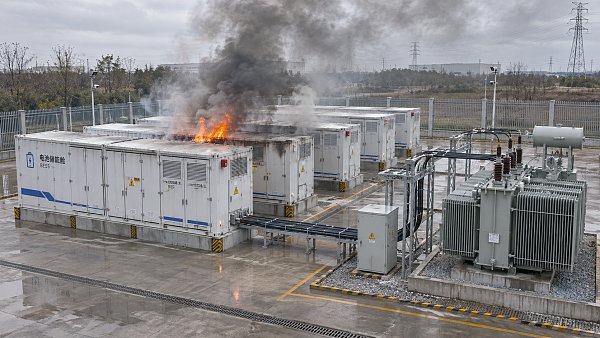
- Huawei Completes Industry-First Storage Fire Test Including a Transformer StationHuawei's LUTERRA energy storage fire test reportedly included a transformer station. Explore its potential implications for grid safety and insurance.
CEMATEX Announces ITMA Asia Singapore 2029 Plans


On 24 November 2026, the European Committee of Textile Machinery Manufacturers (CEMATEX) announced plans for ITMA Asia Singapore 2029 at an ITMA NEXT industry meeting in Shanghai, while reaffirming ITMA 2027 in Hanover as a central platform for global textile innovation. The announcement offers a planning signal for textile and garment technology suppliers, buyers and service providers considering the Asia-Pacific and European markets. It does not, on the information provided, establish a new regulation, certification requirement or trade rule.
Singapore 2029 and Hanover 2027 in the CEMATEX announcement
CEMATEX formally presented the plan for ITMA Asia Singapore 2029 at the ITMA NEXT industry meeting in Shanghai on 24 November 2026. At the same meeting, it reaffirmed the position of ITMA 2027 in Hanover as a core platform for global textile innovation.
The announcement concerned exhibition planning for textile and garment technology and provided guidance for positioning in the Asia-Pacific and European markets. The information supplied does not specify exhibition participation terms, technical requirements, certification criteria or trade procedures.

How the exhibition timetable could affect commercial decisions
Machinery suppliers weighing market priorities
From an industry perspective, the two named events may give machinery and technology suppliers reference points for planning discussions with customers across the Asia-Pacific and European markets. A supplier considering how to present equipment could assess whether the timing of product demonstrations, technical materials and customer meetings fits its own sales cycle. That assessment would be a commercial choice; the announcement does not state that suppliers must attend either exhibition or introduce products on a particular schedule.
Suppliers may also want to check that claims made in any eventual exhibition material match the technical documentation available to prospective buyers. Where a machine is intended for a particular market, relevant product requirements would need separate verification. The exhibition announcement itself does not identify a new equipment standard or change an existing certification process.
Buyers comparing technology and delivery options
For textile and garment manufacturers, the announced plan may become one input into longer-term equipment research. Buyers considering upgrades could use future event information to decide when to compare technical capabilities, discuss integration needs or meet potential suppliers. Whether an exhibition is useful will depend on the buyer's project timetable and on details that have yet to be confirmed in the supplied information.
Analysis suggests that procurement teams should avoid treating an exhibition date as a substitute for a delivery commitment. A purchase decision may still require separate agreement on specifications, installation, support, documentation and delivery timing. Those terms depend on the supplier and contract; no changes to them were announced in the event summary.
Distributors and service providers preparing for enquiries
Distributors, equipment integrators and after-sales providers may see the announcement as a reason to review how they support discussions in the two regional markets. If prospective customers use an event to compare technologies, they may later seek clarification on local support, spare parts, training or compatibility with existing production equipment. These are possible follow-up questions, not outcomes established by the announcement.
Service providers could prepare by checking which technical records and supplier contacts would help them answer such enquiries. They should distinguish information confirmed by an equipment manufacturer from assumptions about service coverage or delivery. The available input does not identify participating companies, service arrangements or exhibition eligibility rules.
Trade and logistics teams considering event-related movements
Companies that decide to exhibit may eventually need to assess how equipment or demonstration materials would be moved to and from an event. That could involve checking applicable documentation, transport arrangements and the conditions set out in later exhibitor guidance. The announcement provides no specific shipping instructions, customs treatment or deadlines, so there is no basis to describe a new trade procedure as already in force.
For procurement and logistics teams, the practical distinction is between planning for a possible exhibition shipment and planning for an actual equipment purchase. Each may have different documentation and timing needs, subject to the applicable requirements and the parties' arrangements. Those details should be verified when a specific transaction or exhibition plan exists.
What businesses can prepare while details remain open
Track the organiser's next announcements
Businesses interested in Singapore 2029 or Hanover 2027 can monitor subsequent official communications for information relevant to participation. Useful details could include the scope of an event, application procedures, exhibitor conditions and any deadlines. None of those details is supplied in the present announcement summary, and their eventual form should not be assumed.
Teams can record which decisions depend on that information and set internal review points around their own planning cycles. For example, a supplier might wait for confirmed participation terms before committing an exhibition budget, while a buyer might wait for a clearer programme before deciding whether a visit fits a procurement project. These are suggested approaches, not conditions imposed by CEMATEX.
Separate exhibition plans from product compliance
The announcement names platforms for industry activity; it does not specify a new compliance regime. Companies evaluating equipment can therefore continue to assess applicable requirements through the relevant official and contractual sources for each intended market and product. Any future exhibitor conditions should also be read separately from requirements that may apply to selling, installing or operating a machine.
Where a potential buyer requests supporting evidence, suppliers may find it useful to identify the current technical documents, test results or certifications relevant to the proposed equipment. The precise documents depend on the transaction and applicable requirements. The supplied information does not establish that a particular certificate, test or document is required for either event.
Connect the events to real purchasing milestones
Procurement teams can map prospective exhibition visits against their own specification, evaluation and approval stages. If a project requires a decision before an event takes place, waiting for that event may not be practical. Conversely, an organisation with a longer planning horizon may choose to keep its options open while monitoring the information released by the organiser and potential suppliers.
Analysis suggests that any comparison begun at an exhibition would need follow-up outside the event: checking whether proposed equipment meets the buyer's operating needs, confirming the scope of supply and obtaining written delivery and support terms. The announcement itself does not verify product performance or guarantee that a particular supplier will participate.
Keep commercial commitments conditional on verified details
Suppliers and service providers considering demonstrations can review the resources that might be needed, including staff availability, equipment preparation and technical material. They can then update those estimates when official participation and logistics information becomes available. This approach may help avoid treating an unconfirmed timetable or scope as a contractual commitment.
Buyers can apply a similar discipline to supplier conversations. A discussion about an event can inform market research, but price, availability, compliance evidence and delivery arrangements should be confirmed through the normal purchasing process. The announcement does not change the obligations agreed between commercial parties.
Why this is a planning signal, not a new regulation
At this stage, the announcement is best understood as a signal about industry platform planning and market engagement. It identifies a planned Singapore event for 2029 and reiterates the role of the Hanover event in 2027. It does not, according to the information provided, introduce a law, revise a standard, alter a certification scheme or set a trade rule.
That distinction matters because the business effects remain contingent. The value of either platform to a particular company may depend on future official details, the relevance of participating suppliers and technologies, and the company's own commercial needs. Those factors cannot be determined from the announcement summary alone.
Further observation should focus on what the organiser confirms, how potential participants respond and whether subsequent materials specify conditions that affect planning. If later announcements contain participation rules or technical instructions, companies can assess their scope and effective dates at that point. Any wider regulatory or trade implications would require independent confirmation from the responsible sources.
Using the announcement in market planning
The CEMATEX statement gives businesses two named reference points for considering textile technology engagement across the Asia-Pacific and European markets. Its immediate relevance lies in possible planning for supplier discussions, equipment evaluation and event participation, rather than in an established change to compliance or delivery obligations.
A measured response is to incorporate the announcement into preliminary planning, identify decisions that depend on further detail and verify requirements before making commitments. The eventual commercial effect remains open to observation as official information and industry feedback become available.
Basis for this report and points to verify
This article is based on the user-provided news title, event date and event summary. No specific official source link was supplied in the input, so the announcement and any later details should continue to be verified against official CEMATEX communications and other relevant primary sources.
Subsequent checks may include organiser announcements, relevant industry association information and, where an actual transaction requires it, guidance from the responsible trade, customs or standards authorities. Items to watch include participation terms, any applicable technical or certification guidance, procurement documentation, trade execution and industry feedback. The supplied information does not confirm changes in those areas.
Recommended for You
 Digital SeaImproving Metro Transit Efficiency: Reducing Delays and Platform CrowdingImprove urban transit efficiency for metro systems with practical strategies to reduce delays, ease platform crowding, and deliver more reliable journeys.By: Captain Kenji SatoNov 25, 2026
 Fiber LasersNew Erbium-Doped Fiber Laser Combines Ultrashort Pulses and Broad SpectrumDiscover how a new erbium-doped fiber laser combines sub-100-femtosecond pulses with broad bandwidth, and what buyers should verify before procurement.By: Dr. Hideo TanakaNov 24, 2026
 Grid ResilienceHuawei Completes Industry-First Storage Fire Test Including a Transformer StationHuawei's LUTERRA energy storage fire test reportedly included a transformer station. Explore its potential implications for grid safety and insurance.By: Dr. Elena VoltNov 24, 2026
 Automated LoomsCEMATEX Announces ITMA Asia Singapore 2029 PlansITMA Asia Singapore 2029 plans offer textile technology businesses a new planning signal. Explore what CEMATEX's announcement could mean for suppliers and buyers.By: Chloe DuboisNov 24, 2026
 Fabric LogicTextile Supply Chain Automation: Integrating Inventory and ProductionAdvanced textile supply chain automation connects inventory and production. Explore practical ways to improve planning, traceability, and response to disruptions.By: Chloe DuboisNov 24, 2026
 Automated LoomsCEMATEX Announces ITMA ASIA 2029 Move to SingaporeITMA ASIA 2029 moves to Singapore as CEMATEX ends its Chinese organizing partnership. Discover what the shift could mean for exhibitors and visitors.By: Chloe DuboisNov 23, 2026
 Digital SeaMarine Engine Retrofit Cost: Budgeting for Equipment, Labor, and DowntimeMarine engine retrofit cost goes beyond equipment. Learn how to budget for labor, shipyard services, downtime, and contingencies—and compare supplier quotes with confidence.By: Captain Kenji SatoNov 23, 2026
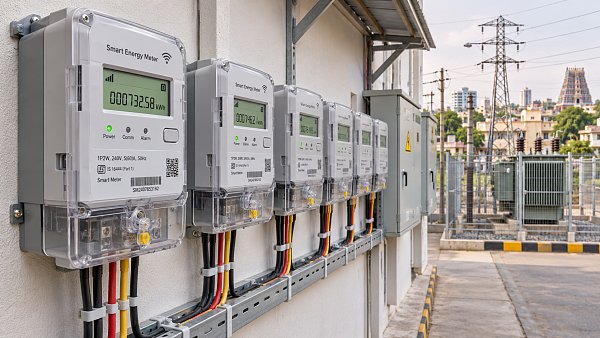
 Smart MetersTamil Nadu Plans SIM-Based Upgrade for 17.7 Million Smart MetersTamil Nadu plans 17.7 million smart meters with proposed SIM-based upgrades. Explore potential supplier opportunities and the tender details still to come.By: Dr. Elena VoltNov 22, 2026
 Fiber LasersFiber Laser CE Marking: EU Safety Requirements and DocumentationFiber laser CE compliance goes beyond the mark. Explore EU safety requirements, essential documentation and practical checks before purchasing.By: Dr. Hideo TanakaNov 22, 2026
 Grid ResilienceUS Grid Equipment Shortages Could Hinder $1 Trillion UpgradeUS grid equipment shortages could hinder a $1 trillion upgrade. Explore how transformer supply, data centers and rising power demand could affect grid projects.By: Dr. Elena VoltNov 21, 2026
 Digital SeaChoosing Bluetooth Speakers: Sound Quality, Battery Life and PortabilityBluetooth speakers come in all shapes and sizes. Learn how to compare sound quality, battery life and portability to find the right fit for your listening needs.By: Captain Kenji SatoNov 21, 2026
 Subsea ROV/AUV2025 Ocean Equipment Report: China's Industry Moves Toward Scaled ApplicationChina's marine equipment industry is moving toward scaled application. Explore what the 2025 Ocean Equipment Report could mean for buyers, suppliers and offshore projects.By: Captain Kenji SatoNov 20, 2026
 Digital SeaChoosing a Thermoforming Vacuum Packaging Machine for Meat ProductsChoose a thermoforming vacuum packaging machine for meat with confidence. Compare sealing, film compatibility, hygiene and real-world production capacity.By: Captain Kenji SatoNov 20, 2026
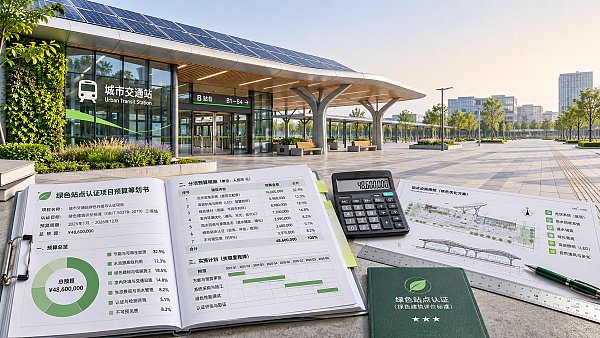
 Digital SeaGreen Station Certification Cost: Fees and Budget ConsiderationsGreen station certification cost varies by scheme and site. Explore fees, hidden expenses, and budgeting tips to plan confidently and compare providers.By: Captain Kenji SatoNov 19, 2026
 UHV TransformersLIMiK Capital to Invest $328 Million in South Carolina Transformer PlantLIMiK Capital plans a $327.7 million transformer plant in South Carolina. Explore its potential impact on US grid supply and procurement.By: Dr. Elena VoltNov 18, 2026
 Digital SeaHow to Choose STEM Kits for Kids by Age, Interests, and Skill LevelChoose STEM kits that match your child's age, interests, and skills. Explore safety tips, project ideas, and practical checks to find an engaging fit.By: Captain Kenji SatoNov 18, 2026
 Digital SeaManufacturing Supplier Requirements: What to Include in Technical SpecificationsDiscover how manufacturing technical specifications and supplier requirements improve quality, simplify comparisons, and prevent delays with measurable acceptance criteria.By: Captain Kenji SatoNov 17, 2026
 Digital SeaChina's Environment Ministry Opens ALC Submarine Cable Project to ReviewChina's Environment Ministry opens the ALC submarine cable project's environmental assessment to review. Explore the proposed marine protection measures and what comes next.By: Captain Kenji SatoNov 16, 2026
 Precision LensesOptical Lens Surface Roughness Testing: Methods and Ra InterpretationOptical lens surface roughness testing explained: compare measurement methods, interpret Ra values, and define reliable acceptance criteria.By: Dr. Hideo TanakaNov 16, 2026
 Digital SeaBusiness Growth Strategies: How to Choose the Right Path for Your CompanyExplore business growth strategies and learn how to compare market opportunities, costs, risks, and capabilities to choose the right path for your company.By: Captain Kenji SatoNov 15, 2026
 Smart MetersIndia’s Competition Commission Approves Adani Acquisition of IntelliSmartExplore the reported CCI approval of Adani’s IntelliSmart acquisition and what a larger Indian smart meter platform could mean for suppliers and investors.By: Dr. Elena VoltNov 14, 2026
 Digital SeaHow Does a Ballast Cleaner Screening System Separate Track Ballast?Discover how a ballast cleaner screening system separates reusable stone from fines, what affects performance, and how to assess the results.By: Captain Kenji SatoNov 14, 2026
 Smart MetersPakistan to Seek World Bank and ADB Funding for Smart MetersPakistan seeks World Bank and ADB funding for smart meters on distribution transformers. Explore the plan to tackle power theft and improve grid efficiency.By: Dr. Elena VoltNov 13, 2026
 Digital SeaWhat Is Precision Medicine and How Does It Guide Treatment?Discover how precision medicine uses biomarkers and genetic insights to guide treatment, where it can help, and what to ask before testing.By: Captain Kenji SatoNov 13, 2026
 Grid Resilience2026 CSEE Annual Meeting Opens with Focus on AI and Power SystemsThe 2026 CSEE Annual Meeting explores AI, low-carbon power systems and ultra-high-voltage transmission. Discover why these discussions matter.By: Dr. Elena VoltNov 12, 2026
 Digital SeaShip Radar Detection Range: How Far Can It See and What Limits It?Ship radar detection range depends on more than the display scale. Discover how antenna height, weather, target size, and settings affect what radar can see.By: Captain Kenji SatoNov 12, 2026
 UHV TransformersGE Vernova to Invest $34.5 Million in Louisiana Transformer Plant ExpansionGE Vernova plans a $34.5 million transformer plant expansion in Louisiana. Explore its potential impact on North American supply and procurement.By: Dr. Elena VoltNov 11, 2026
 Digital SeaMetro Station Noise Criteria: Limits and Measurement MethodsExplore metro station noise criteria, applicable limits and measurement methods. Learn how to select metrics and assess compliance with confidence.By: Captain Kenji SatoNov 11, 2026
 Digital SeaKongsberg Maritime Unveils Arctic Hunter Unmanned Surface VesselKongsberg Maritime's Arctic Hunter unmanned surface vessel is proposed for the Royal Navy's Type 92 programme. Explore its technology and procurement implications.By: Captain Kenji SatoNov 10, 2026
 Sorting RobotsHow Accurate Is AI in Food Quality Control? Metrics and Testing MethodsExplore AI in food quality control accuracy, from recall and false negatives to validation methods. Learn how to assess real-world inspection reliability.By: Marcus SterlingNov 10, 2026
 UHV TransformersGE Vernova Selected for 6 GW HVDC Link in IndiaGE Vernova will design a 6 GW HVDC link for PGCIL, connecting Rajasthan and South Kalamb to support India's clean energy transition. Discover the project.By: Dr. Elena VoltNov 09, 2026