BDI: 1,842 ▼ 1.2%
COTTON NO.2: 84.12 ▲ 0.4%
LME COPPER: 8,432.50 ▲ 2.1%
FOOD SAFETY INDEX: 94.2 ARCHIVE_SECURED
OPTICAL INDEX: 11,204.09 STABLE
BDI: 1,842 ▼ 1.2%
SECTOR INDEX
V.24.08 ARCHIVE
Hot Articles
- When Is a Straddle Monorail System a Good Fit for Urban Transit Corridors?Is a straddle monorail system right for your urban corridor? Explore capacity, space, station access, safety, and lifecycle costs to make a confident transit investment.
- EU Textile Waste Reporting: Who Must Report and What Data Is Required?EU textile waste reporting explained: discover who must report, what data is required, and how to verify EPR, waste records, and shipment compliance across EU markets.
- Yarn Strength Benchmarks for Weaving: Setting Warp and Weft RequirementsSet yarn strength benchmarks for weaving with practical warp and weft criteria. Learn how tenacity, variability, and loom loads inform specifications that help reduce breaks and improve reliability.
How much track circuit interference immunity is enough


In rail signaling and industrial control environments, understanding how much track circuit interference immunity is enough can directly affect operational safety, reliability, and maintenance efficiency. For operators and end users, the real challenge is not just meeting a standard, but ensuring stable performance under complex electromagnetic conditions, equipment interaction, and changing field loads. This article explains the practical thresholds, evaluation logic, and decision factors behind effective interference immunity.
What does enough track circuit interference immunity really mean in practice?
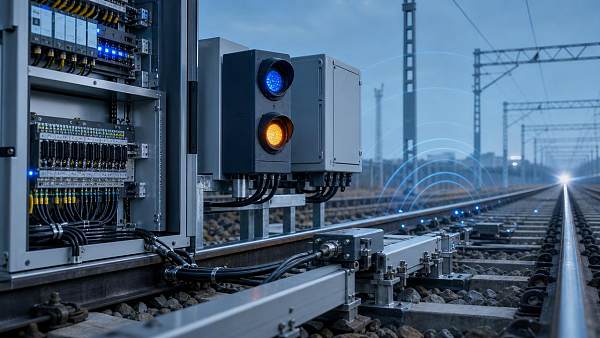
For operators, enough track circuit interference immunity does not mean chasing the highest possible laboratory number. It means the track circuit can still detect train occupancy correctly, maintain signal integrity, and avoid false clear or false occupied states under realistic field disturbances.
Those disturbances often come from traction return currents, power converters, harmonics, insulated joints, nearby cables, signaling upgrades, and mixed fleets. In modern networks, electromagnetic conditions are no longer static. A system that performed well five years ago may now face very different interference profiles.
This is why the key question is not only “what is the immunity value,” but also “immunity against which sources, at which frequencies, under what load conditions, and with what safety margin.” That decision framework matters more than a single headline figure.
- Operational adequacy means stable detection in the presence of expected conducted and radiated interference.
- Safety adequacy means the failure mode remains controlled, predictable, and detectable by maintenance teams.
- Commercial adequacy means immunity is sufficient without overspending on overengineered hardware or unnecessary retrofit work.
Why operators often struggle with the threshold
Most users inherit an installed base with mixed-generation relays, cabling, joints, impedance bonds, and vehicle types. That makes universal thresholds difficult. A value considered acceptable on a suburban line with moderate traction demand may be risky on a heavy-haul, metro, or electrified mixed-traffic route.
From a decision point of view, enough track circuit interference immunity is always a system-level judgment. It depends on train density, return current behavior, axle load, headway, maintenance access, and future expansion plans such as converter-fed rolling stock or substation upgrades.
Which interference sources matter most for track circuit performance?
Before choosing targets, operators need to identify the interference sources that most often corrupt track circuit behavior. In many installations, the problem is not one large disturbance but several moderate disturbances combining in ways that reduce the available safety margin.
The table below helps translate field conditions into a more practical view of track circuit interference immunity requirements.
The practical lesson is clear. Track circuit interference immunity must match the actual electromagnetic ecosystem, not just the equipment brochure. That is especially important in cross-sector infrastructure environments where traction, grid behavior, industrial drives, and control electronics increasingly interact.
Why a cross-disciplinary benchmark helps
G-MCE’s strength lies in comparing infrastructure hardware through a wider industrial lens. Experience from high-voltage transmission, smart grid power quality, precision sensing, and industrial control reliability helps identify interference patterns that a single-sector review may miss. For procurement teams and operators, that broad benchmark shortens diagnosis time and improves specification quality.
How should operators judge whether immunity margins are sufficient?
A useful rule is that track circuit interference immunity is enough only when there is measurable margin between expected site disturbance and the system’s proven tolerance under the worst credible operating condition. Compliance alone is not the endpoint. Margin is the endpoint.
Operators can use a structured assessment model instead of relying on isolated test reports.
- Define the actual interference profile by route, rolling stock type, traction mode, and seasonal load.
- Map the track circuit’s working frequencies, shunt sensitivity, and detection logic.
- Check test evidence against realistic field conditions, not only idealized lab settings.
- Reserve margin for network changes such as new trains, power electronics, or cable rerouting.
- Review maintainability, because unstable immunity often reveals itself first through rising fault response hours.
Minimum compliance versus resilient operation
Some projects specify only the minimum needed to pass handover. That can reduce initial cost, but it increases the risk of nuisance failures after timetable intensification or rolling stock modernization. Resilient operation requires a buffer that can absorb foreseeable electrical change without repeated retuning or replacement.
For end users, the cost of insufficient track circuit interference immunity is usually indirect but severe: service delays, maintenance dispatches, possession time, troubleshooting uncertainty, and pressure on safety assurance teams.
What technical parameters deserve the most attention during selection?
When comparing solutions, operators should avoid selecting on a single immunity statement. The stronger method is to compare several technical and operational parameters at the same time. This makes the final specification more robust and easier to defend internally.
The following table highlights practical selection criteria linked to track circuit interference immunity and long-term field performance.
This comparison shows why specification writing should include both electrical tolerance and maintainability. For operators, the best track circuit interference immunity is not only resistant; it is also understandable, monitorable, and manageable throughout the asset life cycle.
A practical shortlist for end users
- Prioritize evidence from comparable routes, electrification types, and train control architectures.
- Ask whether the immunity margin still holds after future traction or rolling stock changes.
- Check whether maintenance staff can diagnose interference-related behavior without specialist tools on every visit.
Which standards and compliance references should be reviewed?
Track circuit interference immunity should be reviewed against relevant railway and general EMC frameworks, but compliance should be read as a baseline rather than a complete operating guarantee. Depending on geography and project structure, references may involve railway EMC standards, functional safety requirements, national rail authority guidance, and general IEC testing methods.
For multi-stakeholder procurement, G-MCE’s benchmarking approach is useful because it links international standards such as ISO, IEC, and ASTM thinking with cross-industry operating realities. In infrastructure procurement, that wider interpretation helps buyers distinguish formal compliance from genuine field resilience.
What to verify in compliance documents
- The standard edition and test conditions used, because older references may not reflect current rolling stock behavior.
- Whether the scope includes the full signal chain, not only a component in isolation.
- Whether acceptance criteria define performance degradation limits clearly during and after disturbances.
- Whether site validation is planned after installation, especially where electrification or cable conditions are complex.
Common mistakes: when more immunity is not automatically better
It may seem that the safest choice is simply the highest track circuit interference immunity available. In reality, immunity must be balanced with compatibility, cost, retrofit complexity, and diagnostic transparency. Overdesign can create unnecessary integration expense, while underdesign creates recurring operational risk.
A common mistake is specifying strong immunity for one interference band while ignoring other frequencies that dominate in the actual route environment. Another is assuming that a successful trial on one line automatically transfers to another line with different return current paths or grounding practices.
Typical misconceptions to avoid
- “If it passes type testing, field immunity is solved.” Type testing is important, but route-specific verification is still necessary.
- “Interference is only an electrical engineering issue.” In practice, track condition, maintenance quality, and cable routing also matter.
- “Only new trains change the risk.” Substation changes, signaling renewals, and adjacent infrastructure can also alter exposure.
FAQ: how much track circuit interference immunity is enough for daily operations?
How do I know if my current system lacks enough track circuit interference immunity?
Warning signs include repeated unexplained occupancy events, faults clustered around high traction demand periods, seasonal instability, and incidents that disappear before technicians arrive. If maintenance teams spend more time proving the source than fixing it, the immunity margin may already be too narrow.
Is there a universal immunity number that is always sufficient?
No. Enough track circuit interference immunity depends on route conditions, traction architecture, fleet mix, signaling design, and future change exposure. A suitable threshold is therefore derived from the disturbance environment plus a realistic reserve margin, not from a single generic number.
What should operators ask before procurement or retrofit?
Ask for frequency compatibility details, disturbance categories covered by testing, expected behavior under worst-case current return conditions, and available diagnostics for maintenance teams. Also ask how the solution performs if rolling stock or power infrastructure changes during the asset life cycle.
Can better diagnostics reduce the need for extreme immunity margins?
Better diagnostics do not replace immunity, but they do reduce lifecycle risk. When logs and trends clearly identify interference patterns, operators can act earlier, isolate the source faster, and avoid unnecessary component replacement. That often delivers better total value than buying the most aggressive specification without visibility.
Why work with a benchmarking partner instead of relying on isolated supplier claims?
Track circuit interference immunity decisions affect safety, asset utilization, and maintenance economics. That makes independent comparison valuable. G-MCE supports buyers and operators by connecting technical benchmarking, standards interpretation, and cross-industry infrastructure insight rather than treating signaling as an isolated silo.
Because G-MCE also tracks developments across smart grid, advanced manufacturing, and precision sensing ecosystems, it can help identify upstream changes that may alter electromagnetic conditions around rail and industrial control assets. This perspective is especially useful for organizations managing mixed infrastructure portfolios or future upgrade programs.
Why choose us
If you need to determine how much track circuit interference immunity is enough for a new line, retrofit, or troubleshooting program, G-MCE can support practical decision-making. You can consult us on parameter confirmation, solution comparison, route-specific selection logic, likely delivery constraints, standards review, and supplier evaluation checkpoints.
We can also help structure discussions around sampling or pilot validation, electromagnetic risk screening, compatibility questions between signaling and traction systems, and quotation communication for different technical paths. For operators under time pressure, this reduces uncertainty before procurement, installation, and maintenance planning.
Recommended for You
 Digital SeaWhen Is a Straddle Monorail System a Good Fit for Urban Transit Corridors?Is a straddle monorail system right for your urban corridor? Explore capacity, space, station access, safety, and lifecycle costs to make a confident transit investment.By: Captain Kenji SatoOct 19, 2026
 Fabric LogicEU Textile Waste Reporting: Who Must Report and What Data Is Required?EU textile waste reporting explained: discover who must report, what data is required, and how to verify EPR, waste records, and shipment compliance across EU markets.By: Chloe DuboisOct 18, 2026
 Fabric LogicYarn Strength Benchmarks for Weaving: Setting Warp and Weft RequirementsSet yarn strength benchmarks for weaving with practical warp and weft criteria. Learn how tenacity, variability, and loom loads inform specifications that help reduce breaks and improve reliability.By: Chloe DuboisOct 17, 2026
 Fabric LogicEnergy-Saving Textile Machinery: How to Calculate Payback for Your MillEvaluate energy saving textile machinery with a practical payback formula, real-world cost factors, and a worked example. Discover how to verify savings and invest confidently in your mill.By: Chloe DuboisOct 16, 2026
 Digital SeaETSC Adoption in Europe: Policy Drivers, Costs, and Implementation BarriersExplore ETSC adoption Europe-wide: uncover policy drivers, installed costs, and implementation barriers to evaluate solar thermal investments and identify projects with stronger returns.By: Captain Kenji SatoOct 15, 2026
 Digital SeaChoosing Semiconductor Solutions for Industrial Controls: Key Design CriteriaChoose semiconductor solutions for industrial controls with confidence. Explore key criteria for timing, accuracy, power, safety, and lifecycle support to make smarter design decisions.By: Captain Kenji SatoOct 14, 2026
 Aseptic FillingWhen Should Compliance Checks Start for Aseptic Filling Procurement?How early should compliance checks start in procurement planning? Learn why aseptic filling reviews should begin before supplier shortlisting to reduce risks, rework, and costly delays.By: Marcus SterlingOct 13, 2026
 Smart MetersHow Do You Assess Market Demand Before Sourcing New Smart Meters?How do I assess market demand before sourcing a new industrial product? Discover how to validate smart meter demand, check technical fit, and reduce inventory risk before committing to bulk orders.By: Dr. Elena VoltOct 13, 2026
 GIS SwitchgearWhat Should You Compare Besides Price When Selecting GIS Switchgear?What should I compare besides price when selecting an industrial product? Explore GIS switchgear ratings, IEC compliance, maintenance and lifecycle costs to make a confident procurement decision.By: Dr. Elena VoltOct 13, 2026
 Optical SensorsHow Do You Choose Optical Sensors for Harsh Industrial Environments?How do I choose components for harsh industrial environments? Discover how to select optical sensors for dust, heat, vibration, and washdown—and prevent costly missed detections.By: Dr. Hideo TanakaOct 13, 2026
 Marine WinchesWhich Operating Conditions Can Change Marine Winch Selection?Which industrial application conditions can change product selection? Explore how loads, sea state, duty cycle and power shape marine winch selection to make a smarter investment.By: Captain Kenji SatoOct 13, 2026
 Digital SeaChoosing a Seismic Survey Equipment Distributor: Lead Times and Spare PartsChoosing a seismic survey equipment distributor? Learn how to verify lead times, secure critical spare parts, and compare support to reduce downtime and buy with confidence.By: Captain Kenji SatoOct 13, 2026
 Digital SeaHow to Use Industrial Benchmarking Data to Evaluate Supplier Risk and CapabilityIndustrial benchmarking data for supplier evaluation helps buyers assess capability, compliance, capacity, and delivery risk. Learn how to make smarter, evidence-based sourcing decisions.By: Captain Kenji SatoOct 12, 2026
 Fabric LogicFashion Supply Chain Cost Trends: What Is Driving Margins in 2026?Fashion supply chain cost trends for 2026: discover how materials, freight, labor, compliance, and inventory are reshaping margins—and the strategies leaders need to protect profitability.By: Chloe DuboisOct 11, 2026
 Lumen VisionHow Smart Street Lighting Cuts Energy Use Without Compromising Road SafetySmart street lighting reduces energy use while protecting road safety through adaptive controls, reliable monitoring, and risk-based lighting design. Learn the key strategies.By: Dr. Hideo TanakaOct 10, 2026
 Digital SeaDouble Platinum Spark Plugs: When Their Longer Service Life Justifies the CostDouble platinum spark plugs offer longer service life, stable gaps, and lower labor costs. Learn when their premium price is worth it for your vehicle.By: Captain Kenji SatoOct 08, 2026
 Sorting RobotsHow to Benchmark Linear Guide Load Ratings for High-Cycle Automation AxesLinear guide load rating benchmarks for high-cycle automation axes: compare loads, moments, stiffness, lubrication, and life calculations to select reliable guides.By: Marcus SterlingOct 07, 2026
 Digital SeaWhich Rail Data Transparency Metrics Improve Capacity Planning and Service Reliability?Rail data transparency metrics reveal usable capacity, dwell, recovery, and asset risks—helping rail leaders plan more reliable, resilient services.By: Captain Kenji SatoOct 06, 2026
 Digital SeaHow to Select a Marine Piston Air Compressor for High-Demand Shipboard ServiceMarine piston air compressor selection guide for high-demand shipboard service—compare capacity, redundancy, air quality, maintenance, and compliance requirements.By: Captain Kenji SatoOct 05, 2026
 Grid ResilienceIEC 61850 Monitoring Latency: How to Set Performance Limits for Protection SystemsIEC 61850 monitoring latency explained: learn how to set, test, and verify end-to-end performance limits that protect critical GOOSE and Sampled Values systems.By: Dr. Elena VoltOct 04, 2026
 Digital SeaHow to Select Bulldozers by Blade Type, Ground Conditions, and Earthmoving OutputBulldozers selection made practical: compare blade types, track setups, ground conditions, and cycle output to choose the right dozer for lower costs and reliable earthmoving.By: Captain Kenji SatoOct 03, 2026
 Dyeing MachinesHow Sustainable Dyeing Cuts Water Use and Chemical Risk in Textile ProductionSustainable dyeing cuts water use and chemical risk through smarter liquor control, efficient rinsing, safer inputs, and repeatable textile quality.By: Chloe DuboisOct 02, 2026
 Optical SensorsSingle-Mode Fiber Loss in Railway Networks: Causes, Budgets, and Test MethodsSingle mode railway fiber loss explained: identify causes, calculate realistic loss budgets, and apply OTDR and insertion-loss tests for reliable rail networks.By: Dr. Hideo TanakaOct 01, 2026
 Digital SeaIntegrated Transit Hub Planning: How to Balance Passenger Flow and Future CapacityIntegrated transit hub planning strategies for balancing passenger flow, resilient operations, phased delivery, and future capacity—explore practical insights for smarter hubs.By: Captain Kenji SatoSep 30, 2026
 Digital SeaWhat to Evaluate When Selecting a MaaS Ticketing Platform for Multimodal NetworksMaaS ticketing platform selection guide: evaluate interoperability, fare control, settlement, resilience, privacy, and scalability for multimodal networks.By: Captain Kenji SatoSep 29, 2026
 Digital SeaWhat Does Train Control Center Software Cost? Budgeting for Integration and SupportTrain control center software cost explained: compare integration, cybersecurity, commissioning, and long-term support to build a realistic rail operations budget.By: Captain Kenji SatoSep 28, 2026
 Digital SeaWhat to Evaluate in Thermite Rail Welding Equipment for Field Track RepairsThermite rail welding equipment: evaluate compatibility, preheating, alignment, safety, and supplier support for reliable field track repairs.By: Captain Kenji SatoSep 27, 2026
 Aseptic FillingISO 22000 Food Safety Certification: What Food Manufacturers Must PrepareISO 22000 food safety certification: discover the essential steps manufacturers need to build a robust FSMS, control hazards, and prepare confidently for audit success.By: Marcus SterlingSep 26, 2026
 UHV TransformersWhat Makes an Electrification Factory Ready for High-Voltage Equipment Production?Electrification factory readiness for high-voltage equipment: discover the essential standards, testing, traceability, safety, and workforce controls that drive reliable production.By: Dr. Elena VoltSep 25, 2026
 Digital SeaRail Signal Visibility: Sighting Distance, Contrast, and Verification RequirementsRail signal visibility: learn how sighting distance, contrast, weather, and verification controls help ensure safe, compliant signal recognition.By: Captain Kenji SatoSep 24, 2026
![]() GIS SwitchgearHow Do You Compare GIS Switchgear Suppliers When Certifications Differ?How do I compare industrial suppliers when certifications are not equivalent? Learn how to assess GIS switchgear test evidence, compliance scope, traceability, and project risk.By: Dr. Elena VoltSep 24, 2026
GIS SwitchgearHow Do You Compare GIS Switchgear Suppliers When Certifications Differ?How do I compare industrial suppliers when certifications are not equivalent? Learn how to assess GIS switchgear test evidence, compliance scope, traceability, and project risk.By: Dr. Elena VoltSep 24, 2026