BDI: 1,842 ▼ 1.2%
COTTON NO.2: 84.12 ▲ 0.4%
LME COPPER: 8,432.50 ▲ 2.1%
FOOD SAFETY INDEX: 94.2 ARCHIVE_SECURED
OPTICAL INDEX: 11,204.09 STABLE
BDI: 1,842 ▼ 1.2%

SECTOR INDEX
V.24.08 ARCHIVE
Hot Articles
- Industrial Freeze Dryer Factory Middle East: What Buyers Should Check Before OrderingIndustrial freeze dryer factory Middle East buyers should verify factory capability, FAT, compliance, real capacity, and lifecycle cost before ordering. Learn the key checks to avoid costly mistakes.
- Air Jet Loom for Cotton: Which Fabric Types and Production Goals Is It Best For?Air jet loom for cotton: discover the best fabric types, yarn ranges, and production goals it supports—ideal for mills seeking higher output, stable quality, and smarter investment decisions.
- Electric Vehicle Parts Guide: Key Components, Functions, and Replacement BasicsElectric vehicle parts explained clearly: explore key EV components, core functions, common failure points, and replacement basics to compare smarter and choose with confidence.
When railway fiber optic attenuation data signals trouble


When railway fiber optic attenuation data begins to drift, after-sales maintenance teams are often the first to face service risks, delayed fault isolation, and rising lifecycle costs. This article explains how to read attenuation signals early, distinguish normal variation from warning patterns, and turn raw network measurements into practical maintenance decisions that protect railway communication reliability.
Why does railway fiber optic attenuation data matter so much in after-sales maintenance?
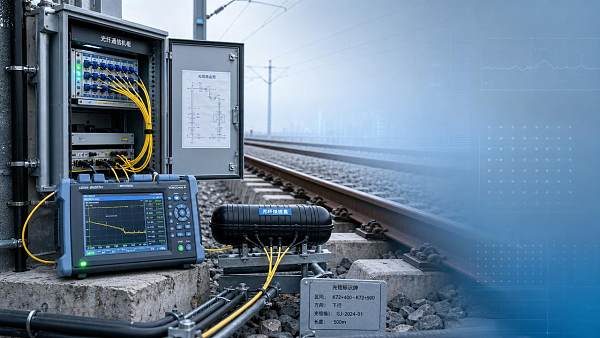
In railway communications, attenuation is not just a number on a test report. It is a leading indicator of network health, asset aging, connector cleanliness, splice quality, route stress, moisture ingress, and installation discipline.
For after-sales maintenance personnel, railway fiber optic attenuation data directly affects fault response time. If the baseline is weak or trend analysis is ignored, small losses can become large outages before field teams identify the real cause.
Railway networks operate under demanding conditions. Vibration, temperature cycling, trackside dust, electromagnetic exposure from adjacent power systems, and repeated cabinet access all increase the need for disciplined optical monitoring.
- Transmission quality may degrade gradually before alarms appear in higher-layer systems.
- A minor increase in link loss can reduce operating margin and make the network less tolerant to connector disturbance or environmental change.
- Poor interpretation of attenuation trends often leads to unnecessary module replacement, repeated field visits, and avoidable service interruption.
This is where a cross-sector perspective becomes useful. G-MCE connects railway maintenance thinking with precision optics benchmarking, smart-grid asset management logic, and international standards awareness. That combination helps teams treat attenuation data as an operational decision tool, not just a test archive.
How should maintenance teams read railway fiber optic attenuation data in real operating scenarios?
Not every deviation signals danger. The challenge is to separate normal measurement variation from a pattern that points to physical deterioration. Teams should avoid judging a fiber route from a single test result alone.
Start with a usable baseline
A useful baseline includes route length, fiber type, wavelength, connector count, splice count, historical OTDR traces, insertion loss records, patching history, and the date of the last confirmed clean-and-test cycle.
Watch the trend, not only the threshold
A link can remain below a formal alarm threshold while still showing a dangerous drift pattern. If railway fiber optic attenuation data rises steadily over several inspections, the maintenance window should move forward.
Correlate optical data with service events
In many rail environments, attenuation movement aligns with cabinet access, recent rerouting, extreme weather, vibration near junction boxes, or contractor activity along the route. Data becomes far more valuable when tied to events.
- Compare both directions when possible to identify localized events.
- Check whether the change is wavelength-sensitive, which may suggest bending or contamination issues.
- Review whether the route experienced recent handling at connectors, trays, or distribution frames.
Which attenuation patterns usually indicate real trouble?
After-sales teams often need a practical way to classify patterns. The table below translates common railway fiber optic attenuation data signals into likely field meaning and first maintenance action.
The key lesson is simple: dangerous attenuation behavior is often visible before complete service loss. Teams that classify patterns early reduce unnecessary escalation and shorten root-cause isolation time.
What should be checked first when attenuation data starts drifting?
A structured inspection sequence is essential because many attenuation problems come from accessible components, not buried cable failure. Fast field judgment protects maintenance budgets and avoids over-repair.
- Verify test conditions. Confirm wavelength, reference method, instrument calibration status, jumper quality, and connector cleaning discipline before comparing records.
- Review change history. Check if patching, panel access, enclosure opening, relocation work, or temporary rerouting took place since the last stable measurement.
- Inspect near-end and far-end connectors first. Contamination and poor mating remain among the most common and fastest-to-fix causes of loss increase.
- Check bend-sensitive zones. Tight trays, cabinet corners, strain relief points, and recently tied cable bundles can create measurable changes without obvious visible damage.
- Use OTDR or equivalent trace comparison to locate whether the shift is distributed along the route or concentrated at a splice, connector, or event point.
This disciplined flow reflects the same asset-management logic used across high-voltage and precision systems: rule out procedural variation first, then isolate component-level causes, and only then consider route replacement.
How can teams distinguish normal variation from warning-level railway fiber optic attenuation data?
Maintenance decisions become stronger when teams use practical comparison criteria. The table below supports field judgment by linking data behavior with action urgency rather than relying on one generic limit.
This approach helps after-sales personnel communicate clearly with operations, procurement, and external suppliers. Instead of saying a link “looks bad,” teams can show why the data trend justifies cleaning, repair, retermination, or spare planning.
What procurement and spare-parts decisions reduce attenuation-related risk?
Many recurring attenuation problems are not solved only by better testing. They are reduced by smarter purchasing decisions. After-sales teams should participate in spare strategy, connector policy, patch-cord quality control, and acceptance criteria.
Priority purchasing considerations
- Specify reference test methods and acceptable documentation at delivery, including insertion loss records and trace files where relevant.
- Align connector, adapter, and patch-cord quality with route criticality rather than treating all links as equal.
- Require clear labeling and maintenance traceability to avoid field confusion during urgent restoration work.
- Stock cleaning tools, inspection consumables, qualified jumpers, and common termination materials before emergency need appears.
G-MCE adds value here because procurement quality is rarely a single-sector issue. Standards benchmarking from photonics, infrastructure reliability thinking from smart grid, and commercial visibility on suppliers and tenders can improve the full lifecycle response.
Which standards and documentation practices support reliable attenuation management?
Railway operators and maintenance contractors usually work better when they anchor optical records to recognized technical frameworks. Exact project requirements vary, but common references include ISO, IEC, and ASTM-related testing and material expectations where applicable.
Useful documentation habits
- Record baseline attenuation with date, test direction, wavelength, equipment used, and operator notes.
- Store OTDR traces in a searchable format so later comparisons do not depend on memory or personal notebooks.
- Separate commissioning values from post-repair values to avoid mixing acceptance data with maintenance history.
- Tie attenuation records to route maps, cabinet identifiers, splice points, and intervention logs.
Well-managed documentation shortens troubleshooting cycles. It also improves supplier communication because questions about quality, delivery, and replacement can be based on evidence rather than assumptions.
Common mistakes after-sales teams make with railway fiber optic attenuation data
Even experienced personnel can misread attenuation behavior. Most errors come from rushing to replace parts before validating test conditions and change history.
- Treating one measurement as final truth without checking connector cleanliness or test setup consistency.
- Ignoring directionality and wavelength differences that may reveal the real fault mechanism.
- Assuming buried cable failure too early when the loss increase comes from accessible panels or patch fields.
- Failing to escalate a slow upward trend because service has not yet dropped completely.
- Buying low-traceability spares that make future diagnostics harder and increase route-to-route inconsistency.
The practical goal is not perfect prediction. It is earlier recognition, cleaner documentation, and more economical intervention timing.
FAQ: what do maintenance teams ask most about railway fiber optic attenuation data?
How often should railway fiber links be checked?
The answer depends on route criticality, environment, and fault history. High-importance links near heavy vibration, frequent cabinet access, or harsh outdoor exposure usually justify more frequent trend review than low-disturbance sections.
Is a higher attenuation number always a sign of cable failure?
No. Railway fiber optic attenuation data can worsen because of dirty end faces, poor reconnection, bend stress, unstable adapters, moisture in closures, or changing test practice. Cable replacement should come after structured isolation.
What should procurement teams ask suppliers for?
Ask for test documentation, traceability, compatible accessories, delivery lead times for spares, and clarity on inspection or retermination support. Maintenance teams should also request consistency in labeling and field documentation format.
When should a drifting link be repaired instead of monitored?
Repair should move forward when the drift is directional, persistent, linked to a known event, or already reducing operating margin. Waiting too long usually increases outage risk and can make the final intervention more disruptive.
Why choose us for attenuation-focused support and sourcing guidance?
G-MCE supports after-sales maintenance teams with a broader decision framework than a standalone parts catalog. Our strength lies in combining infrastructure reliability logic, precision optics benchmarking, and global B2B intelligence across interconnected industrial sectors.
If your team is reviewing railway fiber optic attenuation data and needs practical next steps, you can consult us for parameter confirmation, solution comparison, spare-part selection logic, supplier screening, delivery cycle discussion, documentation expectations, and standards-oriented sourcing support.
We can also help you evaluate whether the issue is more likely tied to connectors, patching practice, installation stress, route conditions, or replacement planning. That means fewer blind purchases and a clearer path from test result to maintenance action.
For projects that need faster coordination, contact us with your current attenuation records, route application scenario, required lead time, and certification or documentation expectations. This makes product selection, sample support, quotation communication, and maintenance planning much more efficient.
Recommended for You
 Industrial OvensIndustrial Freeze Dryer Factory Middle East: What Buyers Should Check Before OrderingIndustrial freeze dryer factory Middle East buyers should verify factory capability, FAT, compliance, real capacity, and lifecycle cost before ordering. Learn the key checks to avoid costly mistakes.By: Marcus SterlingJul 02, 2026
 Automated LoomsAir Jet Loom for Cotton: Which Fabric Types and Production Goals Is It Best For?Air jet loom for cotton: discover the best fabric types, yarn ranges, and production goals it supports—ideal for mills seeking higher output, stable quality, and smarter investment decisions.By: Chloe DuboisJul 02, 2026
 Grid ResilienceElectric Vehicle Parts Guide: Key Components, Functions, and Replacement BasicsElectric vehicle parts explained clearly: explore key EV components, core functions, common failure points, and replacement basics to compare smarter and choose with confidence.By: Dr. Elena VoltJul 02, 2026
 Lumen VisionHow to Evaluate a Metro Wayfinding Signage Factory for Large Transit ProjectsMetro wayfinding signage factory selection can make or break large transit projects. Learn how to assess capacity, compliance, durability, and coordination before you choose.By: Dr. Hideo TanakaJul 02, 2026
 Digital SeaWheelset Price Explained: What Affects Cost and How to Compare QuotesWheelset price explained clearly: learn what drives costs, compare supplier quotes accurately, avoid hidden expenses, and make smarter sourcing decisions with confidence.By: Captain Kenji SatoJul 02, 2026
 UHV TransformersPOWERGRID Tender Raises UHV Transformer Entry BarPOWERGRID tender raises the UHV transformer entry bar with IEC 60076-22:2026 validation, 200 person-days of training, and a bilingual digital twin platform—see what suppliers must prepare now.By: Dr. Elena VoltJul 02, 2026
 Subsea ROV/AUVTitanium Housing Lead Times Stretch to 28 WeeksTitanium Housing Lead Times Stretch to 28 Weeks as subsea ROV/AUV demand surges. Learn how ISO 15156-certified supply constraints impact sourcing, exports, and delivery planning.By: Captain Kenji SatoJul 02, 2026
 SafeStreamFDA Tightens SafeStream Audit Focus on AI Vision LogsFDA Tightens SafeStream Audit Focus on AI Vision Logs: learn how new GMP review rules, Lumen Vision log retention, and Import Alert 99-35 risks could affect exporters before Q3 2026.By: Marcus SterlingJul 02, 2026
 Technical FabricsVietnam Tightens Technical Fabrics Import ChecksVietnam tightens technical fabrics import checks with stricter SVHC, azo amine, and traceability rules. See how RCEP importers can reduce compliance risk and avoid shipment delays.By: Chloe DuboisJul 02, 2026
 GIS SwitchgearEU Rule Tightens GIS Switchgear Entry from Oct 2026GIS Switchgear suppliers face a major EU compliance shift from Oct 2026. Learn how IEC 62271-200:2026 and new CE testing rules may affect certification, exports, and delivery timelines.By: Dr. Elena VoltJul 02, 2026
 SafeStreamPPE Selection Guide for Industrial Sites: Matching Hazards, Tasks, and Compliance NeedsPPE selection guide for industrial sites: learn how to match hazards, tasks, and compliance needs to improve safety, audit readiness, and operational performance.By: Marcus SterlingJul 01, 2026
 Smart MetersDigital Standards in Industrial Systems: What to Check for Interoperability and ComplianceDigital standards are key to industrial interoperability and compliance. Learn what to verify in protocols, data models, certifications, and lifecycle control before you buy.By: Dr. Elena VoltJul 01, 2026
 Fiber LasersSheet Metal Thickness Explained: Gauge, mm, Tolerance, and Material FitSheet metal thickness explained clearly: compare gauge, mm, tolerance, and material fit to reduce sourcing risk, improve fabrication accuracy, and choose the right spec with confidence.By: Dr. Hideo TanakaJul 01, 2026
 Grid ResilienceHow to Evaluate a Traction Motor Manufacturer for EV and Rail ProjectsTraction motor manufacturer selection for EV and rail projects: learn how to compare engineering, compliance, production stability, and total lifecycle cost before you buy.By: Dr. Elena VoltJul 01, 2026
 Fabric LogicPet Toy Durability Benchmarks: How to Compare Materials, Seams, and Chew ResistancePet toy durability benchmarks made simple: compare materials, seam strength, and chew resistance to choose safer, longer-lasting toys and avoid costly replacements.By: Chloe DuboisJul 01, 2026
 Sorting RobotsRobot Orders Stretch Jetson Orin-X Lead Time to 36 WeeksRobot Orders Stretch Jetson Orin-X Lead Time to 36 Weeks: learn how sorting robot shortages, UL 3101-2-10 requalification, and export delays can impact sourcing, delivery, and market strategy.By: Marcus SterlingJul 01, 2026
 Aseptic FillingVietnam Tightens Aseptic Filling Import RulesAseptic Filling import rules in Vietnam are changing fast. Learn how the new NMPA certificate and Vietnamese manual requirements could impact compliance, lead times, and market access.By: Marcus SterlingJul 01, 2026
 Fiber LasersJapan Updates JIS Fiber Laser Safety Rule With IP67 Head MandateJapan updates JIS fiber laser safety rule with a mandatory IP67 head requirement. Learn how JIS C 6802:2026 affects compliance, certification, and Japan market access before Oct. 1, 2026.By: Dr. Hideo TanakaJul 01, 2026
 Smart MetersDOE Tightens Smart Meter Test Rule for U.S. ImportsSmart meter imports to the U.S. face a new DOE test rule from August 2026. Learn how NIST IR 8401-2 affects compliance, retesting, shipments, and supplier readiness.By: Dr. Elena VoltJul 01, 2026
 UHV TransformersIEC 60076-22 Set for CE Use in 2027IEC 60076-22 set for CE use in 2027 reshapes UHV transformer compliance. Learn the new monitoring, digital twin, and carbon footprint rules—and how to prepare exports, testing, and delivery for the EU market.By: Dr. Elena VoltJul 01, 2026
 Fabric LogicProcurement Intelligence for Distributors: How to Spot Demand Shifts and Reduce Stock RiskProcurement intelligence for distributors reveals early demand shifts, policy signals, and stock risks—helping reduce overstock, protect margins, and plan inventory with greater confidence.By: Chloe DuboisJun 30, 2026
 Grid ResilienceHow to Choose Solar Energy Systems for Commercial Buildings: Load, Storage, and ROI FactorsSolar energy systems for commercial buildings: learn how to assess load profiles, storage needs, grid limits, and ROI factors to choose a smarter, higher-value energy strategy.By: Dr. Elena VoltJun 30, 2026
 Smart MetersSmart Transportation Solutions for Cities: Which Systems Fit Traffic, Transit, and Safety Goals?Smart transportation strategies vary by city context. Learn which systems best support traffic flow, transit reliability, and safety goals for smarter urban planning.By: Dr. Elena VoltJun 30, 2026
 SafeStreamTrack Geometry Car Price Explained: What Affects Cost and What Buyers Should CompareTrack geometry car price explained: compare what drives cost, what each quote includes, and how to avoid hidden lifecycle expenses before you buy.By: Marcus SterlingJun 30, 2026
 SafeStreamPantograph Test Bench EN Standards: Key Test Items, Compliance Steps, and Common PitfallsPantograph test bench EN standards explained: key test items, compliance steps, bench upgrade checkpoints, and common certification pitfalls to help teams reduce risk and speed approvals.By: Marcus SterlingJun 30, 2026
 Aseptic FillingFDA Tightens Import Guidance for Aseptic Filling Software RecordsFDA import guidance now puts aseptic filling software records at the center of 510(k) and De Novo submissions. Learn the new CSV, ALCOA+, and IEC 62304 requirements before the Oct. 15, 2026 deadline.By: Marcus SterlingJun 30, 2026
 Marine WinchesRed Sea Disruptions Extend Marine Winches Lead TimesMarine Winches lead times are extending as Red Sea disruptions hit Asia-Europe shipping. Learn how rising freight pressure affects delivery schedules, export planning, and buyer decisions.By: Captain Kenji SatoJun 30, 2026
 SafeStreamTUV Rheinland Adds Mandatory AI Check for SafeStream CETUV Rheinland adds a mandatory AI check for SafeStream CE, requiring IEC 62443-4-2 SL2 verification. Learn how the new rule may delay certification by 8 weeks and impact delivery plans.By: Marcus SterlingJun 30, 2026
 Technical FabricsVietnam Tightens Technical Fabrics Import TraceabilityVietnam Tightens Technical Fabrics Import Traceability: learn how MOIT’s 2026 rule affects compliance, ESG documents, CNAS declarations, and Vietnam-bound functional fabric shipments.By: Chloe DuboisJun 30, 2026
 GIS SwitchgearEU Revises GIS Switchgear EMC Rules from Oct 2026GIS switchgear exporters to the EU face new EMC rules from Oct 2026. Learn how revised RF immunity tests may affect certification, type testing, and delivery planning.By: Dr. Elena VoltJun 30, 2026
 Lumen VisionAesthetics Devices for Dermatology Clinics: How to Match Equipment to Treatment MixAesthetics devices for dermatology clinics should match treatment mix, patient demand, and ROI goals. Learn how to choose systems that improve workflow, margins, and long-term growth.By: Dr. Hideo TanakaJun 29, 2026