BDI: 1,842 ▼ 1.2%
COTTON NO.2: 84.12 ▲ 0.4%
LME COPPER: 8,432.50 ▲ 2.1%
FOOD SAFETY INDEX: 94.2 ARCHIVE_SECURED
OPTICAL INDEX: 11,204.09 STABLE
BDI: 1,842 ▼ 1.2%

SECTOR INDEX
V.24.08 ARCHIVE
Hot Articles
- When Is a Straddle Monorail System a Good Fit for Urban Transit Corridors?Is a straddle monorail system right for your urban corridor? Explore capacity, space, station access, safety, and lifecycle costs to make a confident transit investment.
- EU Textile Waste Reporting: Who Must Report and What Data Is Required?EU textile waste reporting explained: discover who must report, what data is required, and how to verify EPR, waste records, and shipment compliance across EU markets.
- Yarn Strength Benchmarks for Weaving: Setting Warp and Weft RequirementsSet yarn strength benchmarks for weaving with practical warp and weft criteria. Learn how tenacity, variability, and loom loads inform specifications that help reduce breaks and improve reliability.
What affects level crossing response time the most?


When delays or failures happen at a crossing, the biggest drivers of level crossing response time are usually detection accuracy, control-system integration, maintenance condition, communication paths, and operator action. For most users and operators, the practical answer is clear: response time is rarely controlled by one component alone. It is the result of how fast the crossing detects a train or road event, how quickly that information moves through the system, and how reliably people and equipment respond under real conditions.
If you operate, monitor, or work around level crossings, the most useful approach is not asking only “Which part is slow?” but “Where is delay introduced in the full chain?” That chain typically starts with sensing, passes through logic and signaling, and ends with barrier movement, warning activation, and human confirmation. Knowing the main delay points helps users troubleshoot more efficiently and improve safety with fewer assumptions.
What usually affects level crossing response time the most in practice?
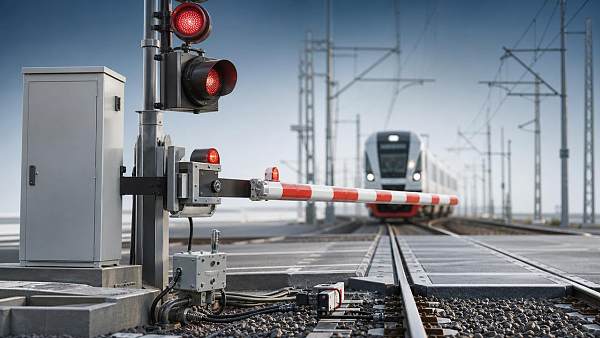
In practical field conditions, the most influential factor is often the combined performance of detection and control integration. A crossing may have good hardware, but if train detection data arrives late, is filtered poorly, or does not synchronize well with signaling logic, total response slows down.
Maintenance quality is the next major factor. Even a well-designed crossing can develop slower response if sensors drift, relays wear, barrier drives lose efficiency, or electrical connections degrade. Small technical losses can accumulate into meaningful delays.
Operator procedures also matter, especially where manual confirmation, fault handling, or local intervention is required. A fast system can still produce a slow response if escalation steps are unclear or if staff must verify too many conditions before acting.
Environmental conditions are important too, but they are often secondary unless the site is exposed to severe weather, contamination, vibration, flooding, or poor visibility. In those cases, environmental stress can become the dominant cause of inconsistent crossing performance.
Why the response chain matters more than any single device
Many users look for one “main cause,” but level crossing response time is better understood as a sequence. The crossing responds only as quickly as its slowest or least reliable stage. A delay at one stage affects the next.
For example, train approach detection may be fast, but if the control logic applies conservative timing margins, the crossing may activate later than expected. In another case, the warning system may trigger correctly, yet barrier descent may slow because of motor wear or resistance in moving parts.
This is why field diagnosis should map the full event timeline. Operators should ask when the train or hazard was first detected, when the logic accepted the signal, when warnings started, when barriers began moving, and when the system reported a safe state.
Once this sequence is visible, performance problems become easier to isolate. Without that timeline, teams often replace components unnecessarily or blame operator action when the real issue lies in communication latency or degraded equipment.
How detection systems shape crossing speed and reliability
Detection is often the first technical point that determines whether a crossing reacts on time. Depending on the site, detection may involve track circuits, axle counters, radar, lidar, treadles, or integrated sensor networks. Each method has different response characteristics and failure sensitivities.
Reliable detection is not only about speed. It is also about confidence. If a system receives noisy, ambiguous, or unstable input, the control logic may delay action to verify conditions. That means poor signal quality can indirectly extend response time even when the sensor itself is not inherently slow.
Sensor placement also matters. If detection points are too far from the crossing, warnings may start earlier than necessary, increasing road-user delay. If they are too close, warning time may be compressed, creating safety risk and operational pressure.
Users should pay attention to false activations, intermittent losses, and inconsistency between actual train movement and recorded system events. These are common signs that detection performance is influencing response time more than expected.
How signal integration and control logic create hidden delays
One of the least visible causes of slow or uneven response is integration between subsystems. A level crossing may depend on interfaces among train detection, interlocking, signaling, local controllers, remote monitoring, and warning devices. Every handoff can add time or complexity.
In modern installations, software logic often includes validation rules, safety checks, time thresholds, and fallback states. These functions are necessary, but if poorly configured, they can introduce delay that operators may mistake for hardware weakness.
Legacy infrastructure can make this worse. Mixed generations of equipment do not always exchange data efficiently. Converters, relays, and interface modules can create bottlenecks, especially when older systems were not designed for current traffic levels or operating expectations.
For operators, the practical lesson is simple: if response time varies without an obvious mechanical or environmental cause, investigate control logic, timing parameters, and subsystem interfaces before assuming a component failure.
Why maintenance quality often separates fast crossings from unreliable ones
Maintenance has a direct effect on level crossing response time because crossings are electro-mechanical systems operating in harsh outdoor conditions. Dirt, moisture, vibration, temperature changes, corrosion, and wear gradually affect how quickly components react.
Barrier drives are a common example. A barrier can still function while becoming slower over time. Bearings may tighten, motors may weaken, lubrication may degrade, and alignment may shift. The crossing still works, but its response window becomes less predictable.
Electrical issues are equally important. High-resistance connections, relay wear, insulation damage, and unstable power quality can all slow response or create intermittent faults. These issues are especially difficult because they may not appear during short inspections.
Preventive maintenance is therefore more effective than reactive replacement. Trend analysis, cycle timing records, inspection discipline, and fault history reviews help operators catch response deterioration before it becomes a safety issue or service disruption.
How operator procedures and human factors influence response time
In automated crossings, people may assume human influence is minimal. In reality, operator actions still shape outcome during abnormal events, degraded modes, resets, alarms, and communication failures. A technically fast system can be operationally slow if procedures are unclear.
Response depends on whether staff know which alarm requires immediate action, who owns the decision, what verification is needed, and when local intervention is authorized. Delays often happen not because operators are careless, but because procedures are fragmented or overly cautious.
Training quality also matters. Operators who understand the system sequence can recognize whether a problem is likely detection-related, logic-related, or mechanical. That speeds escalation and avoids time lost on incorrect first actions.
Simple process improvements often help: better alarm prioritization, clearer decision trees, shorter communication paths, and regular drills for degraded operation. These changes may improve real response more than adding another layer of technology.
What environmental conditions can do to crossing performance
Weather and site conditions can strongly affect crossing response, especially in exposed or high-contamination environments. Rain, snow, ice, dust, salt, fog, heat, and flooding can impair sensors, reduce visibility, slow movement, and increase electrical instability.
Temperature extremes can change component behavior. Cold weather may stiffen moving parts or slow hydraulic and motor performance. Heat can stress electronics and reduce long-term reliability. Moisture can trigger leakage currents, corrosion, or signal irregularities.
Site layout is another environmental factor. Road gradient, drainage quality, vehicle mix, nearby construction, and vibration from heavy traffic can all influence how smoothly the crossing operates. A technically sound design may still underperform in a poor physical setting.
Operators should not treat environmental effects as occasional exceptions. At many sites, they are predictable operating conditions that should be built into maintenance schedules, inspection priorities, and seasonal readiness plans.
How to identify the real bottleneck without guessing
If you want to improve level crossing response time, start with evidence rather than assumptions. The best first step is to create an event timeline using logs, controller records, train movement data, and direct observation from recent activations or incidents.
Measure key intervals separately: detection-to-logic acceptance, logic-to-warning activation, warning-to-barrier movement, barrier movement-to-fully protected state, and alarm-to-operator response where human action is involved. This makes the true source of delay visible.
Next, compare normal cycles with delayed cycles. If every stage is slightly slower, the issue may be power, environmental stress, or general degradation. If one stage changes sharply, focus there first rather than spreading effort across the whole system.
Also review repeatability. A crossing that is consistently slow may have a design or configuration issue. A crossing that is inconsistently slow often points to intermittent faults, unstable detection, environmental interference, or communication problems.
What improvements usually deliver the best results for operators
The most effective improvements are usually targeted, not broad. If detection is the weak point, improve sensor quality, placement, calibration, and filtering. If integration is the issue, review interface timing, software logic, and legacy module compatibility.
If maintenance is the main cause, prioritize response-time trending, component health checks, and scheduled replacement of parts that commonly slow before they fail. This is especially important for motors, relays, connectors, and exposed sensor assemblies.
Where human response is part of the chain, standardize procedures and shorten decision paths. Operators need clear alarm meanings, escalation contacts, and authority boundaries. In urgent situations, ambiguity creates delay faster than technical faults do.
Finally, adapt controls to site conditions. A coastal crossing, a snowy rural crossing, and a high-traffic urban crossing do not experience the same stresses. Tailoring maintenance and operating rules to the real environment improves both response time and reliability.
How users should think about “fast enough” versus “safe enough”
It is important to remember that faster is not always better if it reduces safety margin or creates unstable behavior. The goal is not the shortest theoretical response. The goal is timely, predictable, and verified operation under real traffic and environmental conditions.
A well-performing crossing provides enough warning time, reacts consistently, and remains dependable during faults or heavy use. Operators should judge performance by stability, safety integrity, and repeatable timing, not only by whether one cycle looked fast on a given day.
That is why any response-time improvement should be validated against standards, operational rules, and local risk conditions. Changes that reduce delay but increase false activations, nuisance downtime, or uncertainty may create more problems than they solve.
For most users, the best question is not “How do we make it faster at any cost?” but “How do we remove unnecessary delay while preserving safe, controlled performance?” That approach leads to better long-term outcomes.
Conclusion: what affects level crossing response time the most?
The biggest influence on level crossing response time is usually the interaction among detection quality, control integration, equipment condition, and operator response. In many real installations, detection and integration dominate first, while maintenance quality determines whether good performance lasts.
For operators and users, the most valuable takeaway is to analyze the crossing as a complete response chain. Do not assume the visible device is the real cause. Measure each stage, compare normal and delayed cycles, and look for repeatable patterns.
When teams focus on evidence, maintenance discipline, clear procedures, and site-specific operating conditions, they can improve crossing response with much greater confidence. That leads not only to faster reactions, but to safer, more reliable crossing performance overall.
Recommended for You
 Digital SeaWhen Is a Straddle Monorail System a Good Fit for Urban Transit Corridors?Is a straddle monorail system right for your urban corridor? Explore capacity, space, station access, safety, and lifecycle costs to make a confident transit investment.By: Captain Kenji SatoOct 19, 2026
 Fabric LogicEU Textile Waste Reporting: Who Must Report and What Data Is Required?EU textile waste reporting explained: discover who must report, what data is required, and how to verify EPR, waste records, and shipment compliance across EU markets.By: Chloe DuboisOct 18, 2026
 Fabric LogicYarn Strength Benchmarks for Weaving: Setting Warp and Weft RequirementsSet yarn strength benchmarks for weaving with practical warp and weft criteria. Learn how tenacity, variability, and loom loads inform specifications that help reduce breaks and improve reliability.By: Chloe DuboisOct 17, 2026
 Fabric LogicEnergy-Saving Textile Machinery: How to Calculate Payback for Your MillEvaluate energy saving textile machinery with a practical payback formula, real-world cost factors, and a worked example. Discover how to verify savings and invest confidently in your mill.By: Chloe DuboisOct 16, 2026
 Digital SeaETSC Adoption in Europe: Policy Drivers, Costs, and Implementation BarriersExplore ETSC adoption Europe-wide: uncover policy drivers, installed costs, and implementation barriers to evaluate solar thermal investments and identify projects with stronger returns.By: Captain Kenji SatoOct 15, 2026
 Digital SeaChoosing Semiconductor Solutions for Industrial Controls: Key Design CriteriaChoose semiconductor solutions for industrial controls with confidence. Explore key criteria for timing, accuracy, power, safety, and lifecycle support to make smarter design decisions.By: Captain Kenji SatoOct 14, 2026
 Aseptic FillingWhen Should Compliance Checks Start for Aseptic Filling Procurement?How early should compliance checks start in procurement planning? Learn why aseptic filling reviews should begin before supplier shortlisting to reduce risks, rework, and costly delays.By: Marcus SterlingOct 13, 2026
 Smart MetersHow Do You Assess Market Demand Before Sourcing New Smart Meters?How do I assess market demand before sourcing a new industrial product? Discover how to validate smart meter demand, check technical fit, and reduce inventory risk before committing to bulk orders.By: Dr. Elena VoltOct 13, 2026
 GIS SwitchgearWhat Should You Compare Besides Price When Selecting GIS Switchgear?What should I compare besides price when selecting an industrial product? Explore GIS switchgear ratings, IEC compliance, maintenance and lifecycle costs to make a confident procurement decision.By: Dr. Elena VoltOct 13, 2026
 Optical SensorsHow Do You Choose Optical Sensors for Harsh Industrial Environments?How do I choose components for harsh industrial environments? Discover how to select optical sensors for dust, heat, vibration, and washdown—and prevent costly missed detections.By: Dr. Hideo TanakaOct 13, 2026
 Marine WinchesWhich Operating Conditions Can Change Marine Winch Selection?Which industrial application conditions can change product selection? Explore how loads, sea state, duty cycle and power shape marine winch selection to make a smarter investment.By: Captain Kenji SatoOct 13, 2026
 Digital SeaChoosing a Seismic Survey Equipment Distributor: Lead Times and Spare PartsChoosing a seismic survey equipment distributor? Learn how to verify lead times, secure critical spare parts, and compare support to reduce downtime and buy with confidence.By: Captain Kenji SatoOct 13, 2026
 Digital SeaHow to Use Industrial Benchmarking Data to Evaluate Supplier Risk and CapabilityIndustrial benchmarking data for supplier evaluation helps buyers assess capability, compliance, capacity, and delivery risk. Learn how to make smarter, evidence-based sourcing decisions.By: Captain Kenji SatoOct 12, 2026
 Fabric LogicFashion Supply Chain Cost Trends: What Is Driving Margins in 2026?Fashion supply chain cost trends for 2026: discover how materials, freight, labor, compliance, and inventory are reshaping margins—and the strategies leaders need to protect profitability.By: Chloe DuboisOct 11, 2026
 Lumen VisionHow Smart Street Lighting Cuts Energy Use Without Compromising Road SafetySmart street lighting reduces energy use while protecting road safety through adaptive controls, reliable monitoring, and risk-based lighting design. Learn the key strategies.By: Dr. Hideo TanakaOct 10, 2026
 Digital SeaDouble Platinum Spark Plugs: When Their Longer Service Life Justifies the CostDouble platinum spark plugs offer longer service life, stable gaps, and lower labor costs. Learn when their premium price is worth it for your vehicle.By: Captain Kenji SatoOct 08, 2026
 Sorting RobotsHow to Benchmark Linear Guide Load Ratings for High-Cycle Automation AxesLinear guide load rating benchmarks for high-cycle automation axes: compare loads, moments, stiffness, lubrication, and life calculations to select reliable guides.By: Marcus SterlingOct 07, 2026
 Digital SeaWhich Rail Data Transparency Metrics Improve Capacity Planning and Service Reliability?Rail data transparency metrics reveal usable capacity, dwell, recovery, and asset risks—helping rail leaders plan more reliable, resilient services.By: Captain Kenji SatoOct 06, 2026
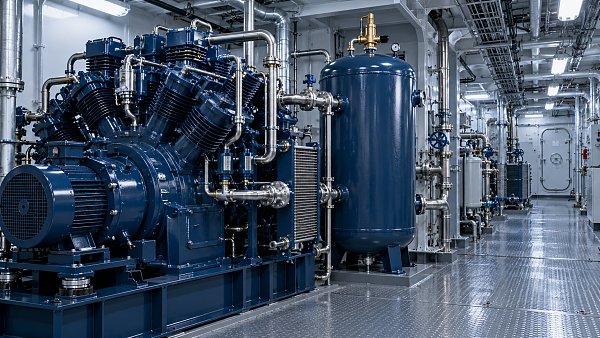
 Digital SeaHow to Select a Marine Piston Air Compressor for High-Demand Shipboard ServiceMarine piston air compressor selection guide for high-demand shipboard service—compare capacity, redundancy, air quality, maintenance, and compliance requirements.By: Captain Kenji SatoOct 05, 2026
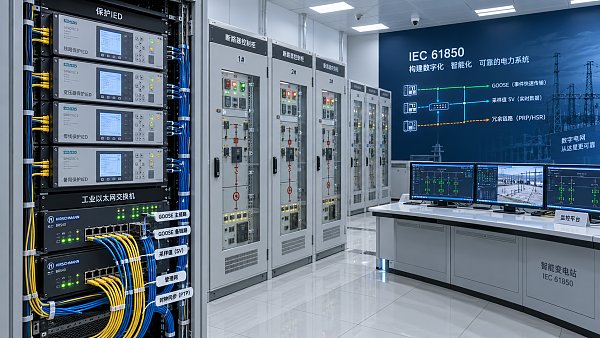
 Grid ResilienceIEC 61850 Monitoring Latency: How to Set Performance Limits for Protection SystemsIEC 61850 monitoring latency explained: learn how to set, test, and verify end-to-end performance limits that protect critical GOOSE and Sampled Values systems.By: Dr. Elena VoltOct 04, 2026
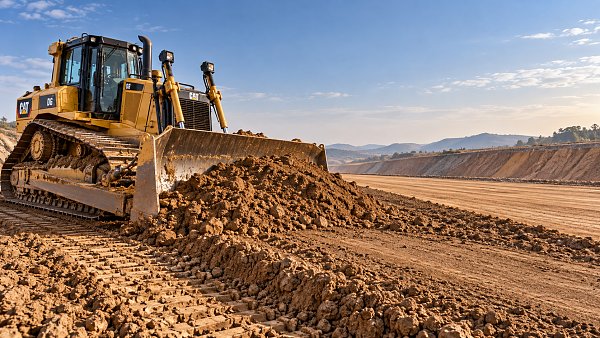
 Digital SeaHow to Select Bulldozers by Blade Type, Ground Conditions, and Earthmoving OutputBulldozers selection made practical: compare blade types, track setups, ground conditions, and cycle output to choose the right dozer for lower costs and reliable earthmoving.By: Captain Kenji SatoOct 03, 2026
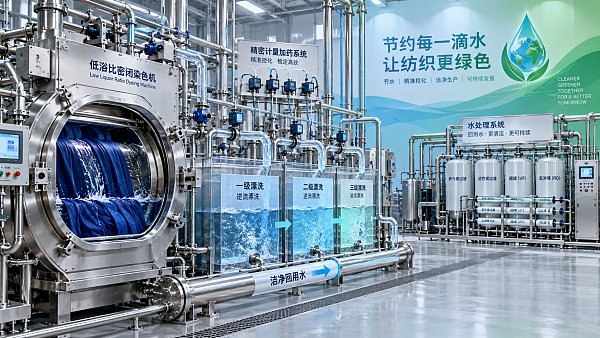
 Dyeing MachinesHow Sustainable Dyeing Cuts Water Use and Chemical Risk in Textile ProductionSustainable dyeing cuts water use and chemical risk through smarter liquor control, efficient rinsing, safer inputs, and repeatable textile quality.By: Chloe DuboisOct 02, 2026
 Optical SensorsSingle-Mode Fiber Loss in Railway Networks: Causes, Budgets, and Test MethodsSingle mode railway fiber loss explained: identify causes, calculate realistic loss budgets, and apply OTDR and insertion-loss tests for reliable rail networks.By: Dr. Hideo TanakaOct 01, 2026
 Digital SeaIntegrated Transit Hub Planning: How to Balance Passenger Flow and Future CapacityIntegrated transit hub planning strategies for balancing passenger flow, resilient operations, phased delivery, and future capacity—explore practical insights for smarter hubs.By: Captain Kenji SatoSep 30, 2026
 Digital SeaWhat to Evaluate When Selecting a MaaS Ticketing Platform for Multimodal NetworksMaaS ticketing platform selection guide: evaluate interoperability, fare control, settlement, resilience, privacy, and scalability for multimodal networks.By: Captain Kenji SatoSep 29, 2026
 Digital SeaWhat Does Train Control Center Software Cost? Budgeting for Integration and SupportTrain control center software cost explained: compare integration, cybersecurity, commissioning, and long-term support to build a realistic rail operations budget.By: Captain Kenji SatoSep 28, 2026
 Digital SeaWhat to Evaluate in Thermite Rail Welding Equipment for Field Track RepairsThermite rail welding equipment: evaluate compatibility, preheating, alignment, safety, and supplier support for reliable field track repairs.By: Captain Kenji SatoSep 27, 2026
 Aseptic FillingISO 22000 Food Safety Certification: What Food Manufacturers Must PrepareISO 22000 food safety certification: discover the essential steps manufacturers need to build a robust FSMS, control hazards, and prepare confidently for audit success.By: Marcus SterlingSep 26, 2026
 UHV TransformersWhat Makes an Electrification Factory Ready for High-Voltage Equipment Production?Electrification factory readiness for high-voltage equipment: discover the essential standards, testing, traceability, safety, and workforce controls that drive reliable production.By: Dr. Elena VoltSep 25, 2026
 Digital SeaRail Signal Visibility: Sighting Distance, Contrast, and Verification RequirementsRail signal visibility: learn how sighting distance, contrast, weather, and verification controls help ensure safe, compliant signal recognition.By: Captain Kenji SatoSep 24, 2026
![]() GIS SwitchgearHow Do You Compare GIS Switchgear Suppliers When Certifications Differ?How do I compare industrial suppliers when certifications are not equivalent? Learn how to assess GIS switchgear test evidence, compliance scope, traceability, and project risk.By: Dr. Elena VoltSep 24, 2026
GIS SwitchgearHow Do You Compare GIS Switchgear Suppliers When Certifications Differ?How do I compare industrial suppliers when certifications are not equivalent? Learn how to assess GIS switchgear test evidence, compliance scope, traceability, and project risk.By: Dr. Elena VoltSep 24, 2026