BDI: 1,842 ▼ 1.2%
COTTON NO.2: 84.12 ▲ 0.4%
LME COPPER: 8,432.50 ▲ 2.1%
FOOD SAFETY INDEX: 94.2 ARCHIVE_SECURED
OPTICAL INDEX: 11,204.09 STABLE
BDI: 1,842 ▼ 1.2%

SECTOR INDEX
V.24.08 ARCHIVE
Hot Articles
- Industrial Freeze Dryer Factory Middle East: What Buyers Should Check Before OrderingIndustrial freeze dryer factory Middle East buyers should verify factory capability, FAT, compliance, real capacity, and lifecycle cost before ordering. Learn the key checks to avoid costly mistakes.
- Air Jet Loom for Cotton: Which Fabric Types and Production Goals Is It Best For?Air jet loom for cotton: discover the best fabric types, yarn ranges, and production goals it supports—ideal for mills seeking higher output, stable quality, and smarter investment decisions.
- Electric Vehicle Parts Guide: Key Components, Functions, and Replacement BasicsElectric vehicle parts explained clearly: explore key EV components, core functions, common failure points, and replacement basics to compare smarter and choose with confidence.
MIIT Releases Energy-Saving Equipment Development Plan


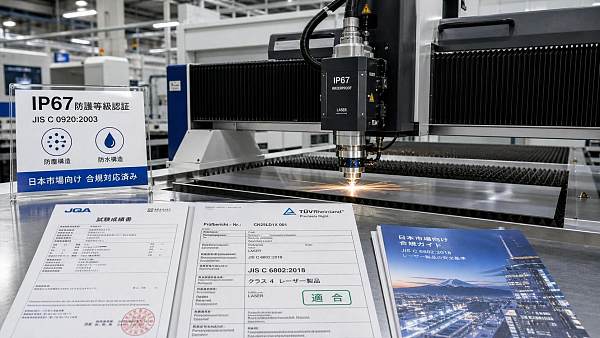
On April 3, 2026, China’s Ministry of Industry and Information Technology (MIIT) issued the Implementation Plan for High-Quality Development of Energy-Saving Equipment (2026–2028). The plan explicitly identifies fiber lasers and optical sensors as key categories under the ‘high-end energy-saving sensing equipment’ priority segment. It introduces cross-border certification subsidies for enterprises that obtain IEC 61000-6-4 electromagnetic compatibility (EMC) certification and energy label registration—directly impacting exporters targeting EU and US markets, where dual EMC + Energy Label compliance is mandatory. This policy is particularly relevant for manufacturers and exporters of photonics-based industrial equipment, precision sensing systems, and energy-efficient laser processing solutions.
Event Overview
On April 3, 2026, MIIT published the Implementation Plan for High-Quality Development of Energy-Saving Equipment (2026–2028). The document designates fiber lasers and optical sensors as ‘high-end energy-saving sensing equipment’, a prioritized category eligible for government support. Enterprises completing IEC 61000-6-4 EMC certification and national energy label filing are qualified for cross-border certification subsidy. According to official statements, this measure shortens the combined EMC and Energy Label certification cycle for export to Europe and the United States by approximately 40%.
Industries Affected
Direct Exporters of Fiber Lasers and Optical Sensors
These enterprises face direct regulatory and procedural implications: the subsidy lowers certification cost and accelerates time-to-market in regulated markets. Impact manifests in reduced lead time for CE marking (EU) and DOE/FTC labeling (US), as well as improved competitiveness in public procurement tenders requiring verified energy performance and EMC conformity.
Contract Manufacturers and OEMs Supplying Core Subsystems
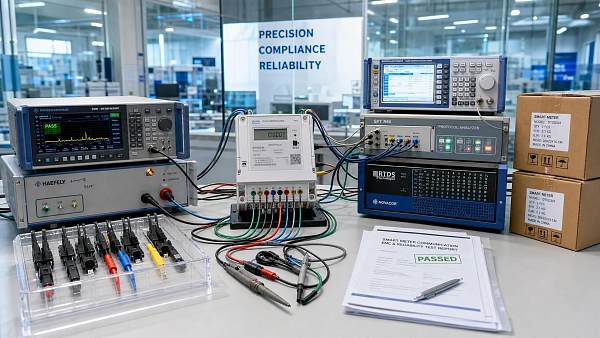
OEMs integrating fiber lasers or optical sensors into larger machinery (e.g., laser cutting systems, smart meters, industrial IoT gateways) may see downstream demand shifts. Buyers increasingly require certified subcomponents to streamline their own final product certifications. Impact includes tighter technical documentation requirements and potential renegotiation of compliance responsibilities in supply agreements.
Domestic Certification Support Providers (Testing Labs, Consultancies)
Service providers accredited for IEC 61000-6-4 testing or energy label filing may experience increased workload and geographic scope expansion. Impact centers on higher demand for coordinated EMC + energy efficiency assessment packages—and potential pressure to align reporting formats with both MIIT subsidy criteria and EU/US regulatory expectations.
Key Considerations and Recommended Actions
Monitor Official Implementation Guidelines and Subsidy Application Procedures
The Plan outlines eligibility and intent; detailed operational rules—including subsidy amount, application deadlines, and audit mechanisms—are pending release by provincial MIIT branches. Enterprises should track announcements from local industry authorities and prepare internal compliance checklists aligned with IEC 61000-6-4 edition 4.0 (2022) and latest GB standards for energy labeling.
Prioritize Certification for High-Value Export Markets and Product Lines
Not all fiber laser or optical sensor variants qualify equally. Analysis shows the subsidy applies only to models formally registered under the national energy efficiency catalog and tested per specified EMC configurations (e.g., conducted emissions at 150 kHz–30 MHz). Companies should first target best-selling SKUs destined for EU/US distribution channels when allocating certification resources.
Distinguish Between Policy Signal and Operational Readiness
While the 40% cycle reduction is cited as an outcome, it reflects projected efficiency gains—not guaranteed timelines. Observably, actual certification duration remains dependent on lab capacity, test complexity, and documentation completeness. Firms should treat the Plan as a signal to re-evaluate current certification workflows—not as confirmation of automatic acceleration.
Prepare Technical Documentation and Supplier Coordination Early
IEC 61000-6-4 testing requires full system-level configuration, including power supplies, cooling units, and control interfaces. From industry perspective, delays most commonly stem from incomplete bill-of-materials disclosure or unverified third-party component certifications. Companies should initiate supplier data collection and internal pre-audit reviews at least 8 weeks prior to formal lab submission.
Editorial Perspective / Industry Observation
This Plan is better understood as a targeted regulatory enabler—not a broad market stimulus. It does not expand market access directly, nor does it alter fundamental safety or performance requirements in destination markets. Rather, it reduces administrative friction for firms already operating within established compliance frameworks. Analysis shows its primary value lies in lowering marginal costs for repeat certification (e.g., model variants, firmware updates) and reinforcing domestic standardization efforts aligned with international norms. Continued relevance depends on timely provincial rollout and transparent subsidy disbursement—both of which remain under observation.
Conclusion
The MIIT Plan signals a calibrated effort to strengthen China’s position in high-value, regulation-sensitive photonics exports—not a shift in global technical requirements. Its immediate utility is procedural: streamlining dual-certification logistics for compliant exporters. For stakeholders, the most rational interpretation is that this is an efficiency upgrade within existing compliance pathways—not a new market opportunity or technical pivot. Ongoing attention should focus on implementation fidelity, not expectation of expanded scope.
Information Sources
Main source: Ministry of Industry and Information Technology (MIIT) official notice, issued April 3, 2026. No supplementary documents, draft interpretations, or third-party impact assessments have been confirmed. Pending aspects include provincial implementation guidelines, subsidy calculation methodology, and verification protocols—these require continued monitoring.

Recommended for You
 Industrial OvensIndustrial Freeze Dryer Factory Middle East: What Buyers Should Check Before OrderingIndustrial freeze dryer factory Middle East buyers should verify factory capability, FAT, compliance, real capacity, and lifecycle cost before ordering. Learn the key checks to avoid costly mistakes.By: Marcus SterlingJul 02, 2026
 Automated LoomsAir Jet Loom for Cotton: Which Fabric Types and Production Goals Is It Best For?Air jet loom for cotton: discover the best fabric types, yarn ranges, and production goals it supports—ideal for mills seeking higher output, stable quality, and smarter investment decisions.By: Chloe DuboisJul 02, 2026
 Grid ResilienceElectric Vehicle Parts Guide: Key Components, Functions, and Replacement BasicsElectric vehicle parts explained clearly: explore key EV components, core functions, common failure points, and replacement basics to compare smarter and choose with confidence.By: Dr. Elena VoltJul 02, 2026
 Lumen VisionHow to Evaluate a Metro Wayfinding Signage Factory for Large Transit ProjectsMetro wayfinding signage factory selection can make or break large transit projects. Learn how to assess capacity, compliance, durability, and coordination before you choose.By: Dr. Hideo TanakaJul 02, 2026
 Digital SeaWheelset Price Explained: What Affects Cost and How to Compare QuotesWheelset price explained clearly: learn what drives costs, compare supplier quotes accurately, avoid hidden expenses, and make smarter sourcing decisions with confidence.By: Captain Kenji SatoJul 02, 2026
 UHV TransformersPOWERGRID Tender Raises UHV Transformer Entry BarPOWERGRID tender raises the UHV transformer entry bar with IEC 60076-22:2026 validation, 200 person-days of training, and a bilingual digital twin platform—see what suppliers must prepare now.By: Dr. Elena VoltJul 02, 2026
 Subsea ROV/AUVTitanium Housing Lead Times Stretch to 28 WeeksTitanium Housing Lead Times Stretch to 28 Weeks as subsea ROV/AUV demand surges. Learn how ISO 15156-certified supply constraints impact sourcing, exports, and delivery planning.By: Captain Kenji SatoJul 02, 2026
 SafeStreamFDA Tightens SafeStream Audit Focus on AI Vision LogsFDA Tightens SafeStream Audit Focus on AI Vision Logs: learn how new GMP review rules, Lumen Vision log retention, and Import Alert 99-35 risks could affect exporters before Q3 2026.By: Marcus SterlingJul 02, 2026
 Technical FabricsVietnam Tightens Technical Fabrics Import ChecksVietnam tightens technical fabrics import checks with stricter SVHC, azo amine, and traceability rules. See how RCEP importers can reduce compliance risk and avoid shipment delays.By: Chloe DuboisJul 02, 2026
 GIS SwitchgearEU Rule Tightens GIS Switchgear Entry from Oct 2026GIS Switchgear suppliers face a major EU compliance shift from Oct 2026. Learn how IEC 62271-200:2026 and new CE testing rules may affect certification, exports, and delivery timelines.By: Dr. Elena VoltJul 02, 2026
 SafeStreamPPE Selection Guide for Industrial Sites: Matching Hazards, Tasks, and Compliance NeedsPPE selection guide for industrial sites: learn how to match hazards, tasks, and compliance needs to improve safety, audit readiness, and operational performance.By: Marcus SterlingJul 01, 2026
 Smart MetersDigital Standards in Industrial Systems: What to Check for Interoperability and ComplianceDigital standards are key to industrial interoperability and compliance. Learn what to verify in protocols, data models, certifications, and lifecycle control before you buy.By: Dr. Elena VoltJul 01, 2026
 Fiber LasersSheet Metal Thickness Explained: Gauge, mm, Tolerance, and Material FitSheet metal thickness explained clearly: compare gauge, mm, tolerance, and material fit to reduce sourcing risk, improve fabrication accuracy, and choose the right spec with confidence.By: Dr. Hideo TanakaJul 01, 2026
 Grid ResilienceHow to Evaluate a Traction Motor Manufacturer for EV and Rail ProjectsTraction motor manufacturer selection for EV and rail projects: learn how to compare engineering, compliance, production stability, and total lifecycle cost before you buy.By: Dr. Elena VoltJul 01, 2026
 Fabric LogicPet Toy Durability Benchmarks: How to Compare Materials, Seams, and Chew ResistancePet toy durability benchmarks made simple: compare materials, seam strength, and chew resistance to choose safer, longer-lasting toys and avoid costly replacements.By: Chloe DuboisJul 01, 2026
 Sorting RobotsRobot Orders Stretch Jetson Orin-X Lead Time to 36 WeeksRobot Orders Stretch Jetson Orin-X Lead Time to 36 Weeks: learn how sorting robot shortages, UL 3101-2-10 requalification, and export delays can impact sourcing, delivery, and market strategy.By: Marcus SterlingJul 01, 2026
 Aseptic FillingVietnam Tightens Aseptic Filling Import RulesAseptic Filling import rules in Vietnam are changing fast. Learn how the new NMPA certificate and Vietnamese manual requirements could impact compliance, lead times, and market access.By: Marcus SterlingJul 01, 2026
 Fiber LasersJapan Updates JIS Fiber Laser Safety Rule With IP67 Head MandateJapan updates JIS fiber laser safety rule with a mandatory IP67 head requirement. Learn how JIS C 6802:2026 affects compliance, certification, and Japan market access before Oct. 1, 2026.By: Dr. Hideo TanakaJul 01, 2026
 Smart MetersDOE Tightens Smart Meter Test Rule for U.S. ImportsSmart meter imports to the U.S. face a new DOE test rule from August 2026. Learn how NIST IR 8401-2 affects compliance, retesting, shipments, and supplier readiness.By: Dr. Elena VoltJul 01, 2026
 UHV TransformersIEC 60076-22 Set for CE Use in 2027IEC 60076-22 set for CE use in 2027 reshapes UHV transformer compliance. Learn the new monitoring, digital twin, and carbon footprint rules—and how to prepare exports, testing, and delivery for the EU market.By: Dr. Elena VoltJul 01, 2026
 Fabric LogicProcurement Intelligence for Distributors: How to Spot Demand Shifts and Reduce Stock RiskProcurement intelligence for distributors reveals early demand shifts, policy signals, and stock risks—helping reduce overstock, protect margins, and plan inventory with greater confidence.By: Chloe DuboisJun 30, 2026
 Grid ResilienceHow to Choose Solar Energy Systems for Commercial Buildings: Load, Storage, and ROI FactorsSolar energy systems for commercial buildings: learn how to assess load profiles, storage needs, grid limits, and ROI factors to choose a smarter, higher-value energy strategy.By: Dr. Elena VoltJun 30, 2026
 Smart MetersSmart Transportation Solutions for Cities: Which Systems Fit Traffic, Transit, and Safety Goals?Smart transportation strategies vary by city context. Learn which systems best support traffic flow, transit reliability, and safety goals for smarter urban planning.By: Dr. Elena VoltJun 30, 2026
 SafeStreamTrack Geometry Car Price Explained: What Affects Cost and What Buyers Should CompareTrack geometry car price explained: compare what drives cost, what each quote includes, and how to avoid hidden lifecycle expenses before you buy.By: Marcus SterlingJun 30, 2026
 SafeStreamPantograph Test Bench EN Standards: Key Test Items, Compliance Steps, and Common PitfallsPantograph test bench EN standards explained: key test items, compliance steps, bench upgrade checkpoints, and common certification pitfalls to help teams reduce risk and speed approvals.By: Marcus SterlingJun 30, 2026
 Aseptic FillingFDA Tightens Import Guidance for Aseptic Filling Software RecordsFDA import guidance now puts aseptic filling software records at the center of 510(k) and De Novo submissions. Learn the new CSV, ALCOA+, and IEC 62304 requirements before the Oct. 15, 2026 deadline.By: Marcus SterlingJun 30, 2026
 Marine WinchesRed Sea Disruptions Extend Marine Winches Lead TimesMarine Winches lead times are extending as Red Sea disruptions hit Asia-Europe shipping. Learn how rising freight pressure affects delivery schedules, export planning, and buyer decisions.By: Captain Kenji SatoJun 30, 2026
 SafeStreamTUV Rheinland Adds Mandatory AI Check for SafeStream CETUV Rheinland adds a mandatory AI check for SafeStream CE, requiring IEC 62443-4-2 SL2 verification. Learn how the new rule may delay certification by 8 weeks and impact delivery plans.By: Marcus SterlingJun 30, 2026
 Technical FabricsVietnam Tightens Technical Fabrics Import TraceabilityVietnam Tightens Technical Fabrics Import Traceability: learn how MOIT’s 2026 rule affects compliance, ESG documents, CNAS declarations, and Vietnam-bound functional fabric shipments.By: Chloe DuboisJun 30, 2026
 GIS SwitchgearEU Revises GIS Switchgear EMC Rules from Oct 2026GIS switchgear exporters to the EU face new EMC rules from Oct 2026. Learn how revised RF immunity tests may affect certification, type testing, and delivery planning.By: Dr. Elena VoltJun 30, 2026
 Lumen VisionAesthetics Devices for Dermatology Clinics: How to Match Equipment to Treatment MixAesthetics devices for dermatology clinics should match treatment mix, patient demand, and ROI goals. Learn how to choose systems that improve workflow, margins, and long-term growth.By: Dr. Hideo TanakaJun 29, 2026