BDI: 1,842 ▼ 1.2%
COTTON NO.2: 84.12 ▲ 0.4%
LME COPPER: 8,432.50 ▲ 2.1%
FOOD SAFETY INDEX: 94.2 ARCHIVE_SECURED
OPTICAL INDEX: 11,204.09 STABLE
BDI: 1,842 ▼ 1.2%

SECTOR INDEX
V.24.08 ARCHIVE
Hot Articles
- When Is a Straddle Monorail System a Good Fit for Urban Transit Corridors?Is a straddle monorail system right for your urban corridor? Explore capacity, space, station access, safety, and lifecycle costs to make a confident transit investment.
- EU Textile Waste Reporting: Who Must Report and What Data Is Required?EU textile waste reporting explained: discover who must report, what data is required, and how to verify EPR, waste records, and shipment compliance across EU markets.
- Yarn Strength Benchmarks for Weaving: Setting Warp and Weft RequirementsSet yarn strength benchmarks for weaving with practical warp and weft criteria. Learn how tenacity, variability, and loom loads inform specifications that help reduce breaks and improve reliability.
What to watch in underwater tunnel construction projects


In underwater tunnel construction projects, success depends on more than excavation speed or headline budgets. Project managers must closely track geotechnical uncertainty, waterproofing performance, safety systems, regulatory compliance, and contractor coordination from day one. This article highlights the critical signals, risk points, and decision factors that can determine whether complex subsea infrastructure stays on schedule, on budget, and technically resilient.
Why underwater tunnel construction projects demand a different management lens
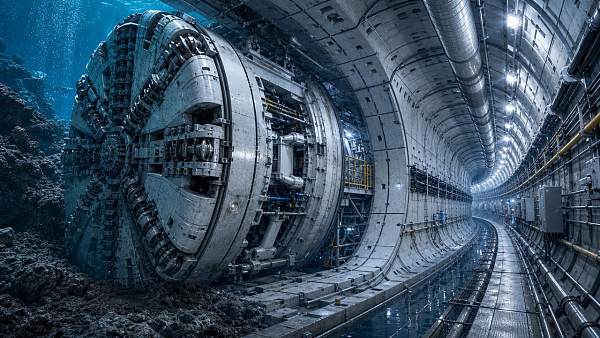
Unlike surface transport works, underwater tunnel construction projects combine marine exposure, confined underground operations, high public scrutiny, and long asset life expectations. That mix changes how project managers should define critical path, supplier risk, and acceptance criteria.
A delay in segment delivery, a small deviation in slurry balance, or an overlooked corrosion interface can trigger downstream impacts across excavation, lining, MEP installation, testing, and commissioning. In subsea infrastructure, small technical issues rarely stay small.
What makes these projects especially sensitive
- Ground behavior is less visible and often less predictable than in open-cut works, especially where mixed-face geology or faulted rock meets high hydrostatic pressure.
- Water ingress risk affects not only structural durability but also fire safety, evacuation reliability, electrical integrity, and lifecycle maintenance cost.
- Construction sequencing is tightly coupled. Tunnel boring, segment grouting, ventilation setup, dewatering control, and instrumentation cannot be managed as isolated packages.
- Public infrastructure owners and insurers usually impose stricter documentation, testing, and traceability requirements than standard civil packages.
For project leaders, the practical implication is clear: the job is not just to build faster. It is to maintain control over interdependent technical, contractual, and compliance variables while uncertainty is still manageable.
Which early warning indicators matter most in underwater tunnel construction projects?
The first months often determine whether underwater tunnel construction projects remain recoverable later. Management teams need a disciplined dashboard that combines engineering signals with procurement and interface indicators.
The table below helps project managers prioritize the warning signs that deserve executive attention before delays become claims, redesigns, or safety incidents.
These indicators are useful because they connect field conditions to commercial outcomes. A project manager who sees only progress percentages may miss the deeper predictors of cost growth, rework, and operational risk.
A practical review rhythm
- Review geotechnical and machine data weekly, not only monthly, during active boring.
- Separate headline schedule tracking from constraint tracking so hidden blockers are not buried inside general progress reports.
- Tie supplier expediting to installation sequence, because delivery dates without interface context are misleading.
How should project managers evaluate geology, water pressure, and excavation method?
One of the biggest decision points in underwater tunnel construction projects is whether the selected excavation strategy still matches verified ground conditions. Initial design assumptions may be robust, but field evidence often changes the operational picture.
Key technical questions to keep asking
- Is the alignment passing through mixed-face zones where a single TBM mode may be unstable or inefficient?
- Are inflow estimates still consistent with observed pore pressure and permeability readings?
- Do rock abrasivity and cobble content align with cutter consumption assumptions and maintenance windows?
- Have settlement and deformation trends stayed within trigger levels near portals, shafts, or sensitive marine structures?
For immersed tube solutions, the monitoring emphasis shifts toward dredging accuracy, bedding preparation, joint sealing, buoyancy control, and marine weather windows. For bored tunnels, pressure balance, spoil handling, lining integrity, and machine intervention access become more critical.
Cross-sector intelligence can strengthen this assessment. G-MCE’s specialization in maritime engineering and benchmark-based technical review helps teams compare subsea equipment, sensor packages, sealing materials, and power distribution interfaces against broader industrial practice rather than a single vendor narrative.
What should you compare when selecting systems and suppliers?
In underwater tunnel construction projects, procurement errors often come from evaluating unit price before evaluating failure consequence. Project managers need selection criteria that reflect installation conditions, inspection access, and lifecycle exposure.
The comparison table below is designed for procurement reviews involving tunnel lining interfaces, pumping, monitoring, electrical components, and safety-related systems.
This comparison framework supports better decisions because it turns supplier discussions into measurable procurement checkpoints. It is especially useful when several packages are technically acceptable but carry very different integration or maintenance risks.
Why multi-sector benchmarking matters
G-MCE’s value in this stage is not limited to a single product category. Tunnel projects increasingly depend on precision sensors, high-voltage distribution elements, optical monitoring components, marine equipment, and industrial automation logic. A cross-disciplinary benchmark reduces blind spots when comparing vendors from different industrial backgrounds.
Where do cost overruns usually start, and how can teams control them?
In underwater tunnel construction projects, overruns usually begin long before finance reports show them. They often start with optimistic quantities, underpriced interfaces, low contingency for marine logistics, or delayed design decisions on safety and operations systems.
Common hidden cost drivers
- Additional ground treatment, dewatering, or intervention works after conditions deviate from baseline assumptions.
- Rework caused by poor waterproofing installation or incomplete segment quality control records.
- Idle time due to long-lead MEP packages arriving out of sequence with civil completion milestones.
- Late changes to ventilation, fire life safety, or evacuation standards after authority review.
A practical control measure is to separate contingency into technical uncertainty, logistics exposure, and stakeholder-driven change. When these are merged into one reserve, management cannot see which risk family is consuming recovery capacity.
Another effective step is early total-cost comparison. A cheaper sealing component or monitoring device may increase shutdown probability, inspection burden, or replacement difficulty over the tunnel’s service life. Project managers should treat lifecycle access constraints as a monetary variable, not just an engineering note.
Which standards and compliance checkpoints should not be delayed?
Compliance in underwater tunnel construction projects is not a final paperwork task. It shapes procurement specifications, inspection plans, material approval routes, and commissioning logic from the start.
The following table outlines common compliance areas that project teams should map early. Specific jurisdictional requirements will differ, but the management categories are broadly relevant.
The lesson is simple: if standards mapping starts too late, teams end up redesigning details under schedule pressure. That is expensive and avoidable. G-MCE supports this phase by aligning equipment benchmarking and regulatory reference points across infrastructure, marine systems, electrical packages, and sensing technologies.
What implementation mistakes do experienced teams still make?
Even strong project organizations can make avoidable mistakes in underwater tunnel construction projects because complexity hides in interfaces. Problems often arise not from one bad choice, but from several reasonable choices that were never fully coordinated.
Frequent misconceptions
- Assuming the design risk register is enough. In reality, live construction risk needs continuous update from field instrumentation and supplier status.
- Treating waterproofing as a material issue only. It is equally an installation discipline, geometry control, and inspection issue.
- Leaving systems integration to the end. Underwater tunnel construction projects require early coordination among ventilation, power, control, and emergency systems.
- Focusing on CAPEX without pricing future access difficulty. Maintenance in submerged or confined environments is never a minor consideration.
The strongest teams counter this by using interface ownership maps, staged technical gates, and independent benchmark checks on critical packages. That discipline matters most when contractors, designers, marine specialists, and equipment suppliers operate under different assumptions.
FAQ: practical questions about underwater tunnel construction projects
How should a project manager prioritize risks at the beginning?
Start with four categories: ground uncertainty, water control, long-lead procurement, and systems integration. These categories influence both schedule and technical resilience. Build a dashboard that links field evidence, supplier milestones, and authority approvals rather than tracking each in isolation.
What procurement packages deserve the closest scrutiny?
Focus on tunnel lining interfaces, sealing systems, pumps, ventilation equipment, electrical distribution, sensors, communication systems, and components that are difficult to replace after commissioning. For each package, verify compatibility, test documentation, lead time realism, and maintenance access assumptions.
How early should compliance planning begin?
Immediately after concept alignment and before major procurement commitments. Once suppliers are selected and detailed design advances, changing standards assumptions becomes costly. Early mapping of ISO, IEC, ASTM, local fire safety, electrical, and marine environmental requirements reduces rework later.
Are cheaper alternatives ever acceptable in underwater tunnel construction projects?
Sometimes, but only when the alternative is assessed on total installed and lifecycle value. If a lower-cost component increases inspection frequency, shutdown risk, leakage exposure, or replacement complexity, it may not be economical. Project managers should compare consequences, not just purchase prices.
Why choose us for decision support on underwater tunnel construction projects?
G-MCE helps project managers and engineering leaders make better decisions across underwater tunnel construction projects by combining cross-sector technical benchmarking with procurement intelligence and standards-oriented review. That matters when civil works depend on marine equipment, electrical reliability, sensing accuracy, and long-term operability at the same time.
You can consult us on supplier comparison logic, parameter confirmation for critical components, subsystem selection, reference standards, delivery-cycle risk, and interface review between marine, electrical, and monitoring packages. We also support discussions around alternative solutions, documentation expectations, and bid-stage technical evaluation priorities.
If your team is reviewing a live tender, refining a procurement list, validating a technical specification, or trying to reduce uncertainty before award, contact us with your target scope. We can help structure the comparison points, identify likely blind spots, and support more confident conversations on quotations, compliance requirements, and customized solution paths.
Recommended for You
 Digital SeaWhen Is a Straddle Monorail System a Good Fit for Urban Transit Corridors?Is a straddle monorail system right for your urban corridor? Explore capacity, space, station access, safety, and lifecycle costs to make a confident transit investment.By: Captain Kenji SatoOct 19, 2026
 Fabric LogicEU Textile Waste Reporting: Who Must Report and What Data Is Required?EU textile waste reporting explained: discover who must report, what data is required, and how to verify EPR, waste records, and shipment compliance across EU markets.By: Chloe DuboisOct 18, 2026
 Fabric LogicYarn Strength Benchmarks for Weaving: Setting Warp and Weft RequirementsSet yarn strength benchmarks for weaving with practical warp and weft criteria. Learn how tenacity, variability, and loom loads inform specifications that help reduce breaks and improve reliability.By: Chloe DuboisOct 17, 2026
 Fabric LogicEnergy-Saving Textile Machinery: How to Calculate Payback for Your MillEvaluate energy saving textile machinery with a practical payback formula, real-world cost factors, and a worked example. Discover how to verify savings and invest confidently in your mill.By: Chloe DuboisOct 16, 2026
 Digital SeaETSC Adoption in Europe: Policy Drivers, Costs, and Implementation BarriersExplore ETSC adoption Europe-wide: uncover policy drivers, installed costs, and implementation barriers to evaluate solar thermal investments and identify projects with stronger returns.By: Captain Kenji SatoOct 15, 2026
 Digital SeaChoosing Semiconductor Solutions for Industrial Controls: Key Design CriteriaChoose semiconductor solutions for industrial controls with confidence. Explore key criteria for timing, accuracy, power, safety, and lifecycle support to make smarter design decisions.By: Captain Kenji SatoOct 14, 2026
 Aseptic FillingWhen Should Compliance Checks Start for Aseptic Filling Procurement?How early should compliance checks start in procurement planning? Learn why aseptic filling reviews should begin before supplier shortlisting to reduce risks, rework, and costly delays.By: Marcus SterlingOct 13, 2026
 Smart MetersHow Do You Assess Market Demand Before Sourcing New Smart Meters?How do I assess market demand before sourcing a new industrial product? Discover how to validate smart meter demand, check technical fit, and reduce inventory risk before committing to bulk orders.By: Dr. Elena VoltOct 13, 2026
 GIS SwitchgearWhat Should You Compare Besides Price When Selecting GIS Switchgear?What should I compare besides price when selecting an industrial product? Explore GIS switchgear ratings, IEC compliance, maintenance and lifecycle costs to make a confident procurement decision.By: Dr. Elena VoltOct 13, 2026
 Optical SensorsHow Do You Choose Optical Sensors for Harsh Industrial Environments?How do I choose components for harsh industrial environments? Discover how to select optical sensors for dust, heat, vibration, and washdown—and prevent costly missed detections.By: Dr. Hideo TanakaOct 13, 2026
 Marine WinchesWhich Operating Conditions Can Change Marine Winch Selection?Which industrial application conditions can change product selection? Explore how loads, sea state, duty cycle and power shape marine winch selection to make a smarter investment.By: Captain Kenji SatoOct 13, 2026
 Digital SeaChoosing a Seismic Survey Equipment Distributor: Lead Times and Spare PartsChoosing a seismic survey equipment distributor? Learn how to verify lead times, secure critical spare parts, and compare support to reduce downtime and buy with confidence.By: Captain Kenji SatoOct 13, 2026
 Digital SeaHow to Use Industrial Benchmarking Data to Evaluate Supplier Risk and CapabilityIndustrial benchmarking data for supplier evaluation helps buyers assess capability, compliance, capacity, and delivery risk. Learn how to make smarter, evidence-based sourcing decisions.By: Captain Kenji SatoOct 12, 2026
 Fabric LogicFashion Supply Chain Cost Trends: What Is Driving Margins in 2026?Fashion supply chain cost trends for 2026: discover how materials, freight, labor, compliance, and inventory are reshaping margins—and the strategies leaders need to protect profitability.By: Chloe DuboisOct 11, 2026
 Lumen VisionHow Smart Street Lighting Cuts Energy Use Without Compromising Road SafetySmart street lighting reduces energy use while protecting road safety through adaptive controls, reliable monitoring, and risk-based lighting design. Learn the key strategies.By: Dr. Hideo TanakaOct 10, 2026
 Digital SeaDouble Platinum Spark Plugs: When Their Longer Service Life Justifies the CostDouble platinum spark plugs offer longer service life, stable gaps, and lower labor costs. Learn when their premium price is worth it for your vehicle.By: Captain Kenji SatoOct 08, 2026
 Sorting RobotsHow to Benchmark Linear Guide Load Ratings for High-Cycle Automation AxesLinear guide load rating benchmarks for high-cycle automation axes: compare loads, moments, stiffness, lubrication, and life calculations to select reliable guides.By: Marcus SterlingOct 07, 2026
 Digital SeaWhich Rail Data Transparency Metrics Improve Capacity Planning and Service Reliability?Rail data transparency metrics reveal usable capacity, dwell, recovery, and asset risks—helping rail leaders plan more reliable, resilient services.By: Captain Kenji SatoOct 06, 2026
 Digital SeaHow to Select a Marine Piston Air Compressor for High-Demand Shipboard ServiceMarine piston air compressor selection guide for high-demand shipboard service—compare capacity, redundancy, air quality, maintenance, and compliance requirements.By: Captain Kenji SatoOct 05, 2026
 Grid ResilienceIEC 61850 Monitoring Latency: How to Set Performance Limits for Protection SystemsIEC 61850 monitoring latency explained: learn how to set, test, and verify end-to-end performance limits that protect critical GOOSE and Sampled Values systems.By: Dr. Elena VoltOct 04, 2026
 Digital SeaHow to Select Bulldozers by Blade Type, Ground Conditions, and Earthmoving OutputBulldozers selection made practical: compare blade types, track setups, ground conditions, and cycle output to choose the right dozer for lower costs and reliable earthmoving.By: Captain Kenji SatoOct 03, 2026
 Dyeing MachinesHow Sustainable Dyeing Cuts Water Use and Chemical Risk in Textile ProductionSustainable dyeing cuts water use and chemical risk through smarter liquor control, efficient rinsing, safer inputs, and repeatable textile quality.By: Chloe DuboisOct 02, 2026
 Optical SensorsSingle-Mode Fiber Loss in Railway Networks: Causes, Budgets, and Test MethodsSingle mode railway fiber loss explained: identify causes, calculate realistic loss budgets, and apply OTDR and insertion-loss tests for reliable rail networks.By: Dr. Hideo TanakaOct 01, 2026
 Digital SeaIntegrated Transit Hub Planning: How to Balance Passenger Flow and Future CapacityIntegrated transit hub planning strategies for balancing passenger flow, resilient operations, phased delivery, and future capacity—explore practical insights for smarter hubs.By: Captain Kenji SatoSep 30, 2026
 Digital SeaWhat to Evaluate When Selecting a MaaS Ticketing Platform for Multimodal NetworksMaaS ticketing platform selection guide: evaluate interoperability, fare control, settlement, resilience, privacy, and scalability for multimodal networks.By: Captain Kenji SatoSep 29, 2026
 Digital SeaWhat Does Train Control Center Software Cost? Budgeting for Integration and SupportTrain control center software cost explained: compare integration, cybersecurity, commissioning, and long-term support to build a realistic rail operations budget.By: Captain Kenji SatoSep 28, 2026
 Digital SeaWhat to Evaluate in Thermite Rail Welding Equipment for Field Track RepairsThermite rail welding equipment: evaluate compatibility, preheating, alignment, safety, and supplier support for reliable field track repairs.By: Captain Kenji SatoSep 27, 2026
 Aseptic FillingISO 22000 Food Safety Certification: What Food Manufacturers Must PrepareISO 22000 food safety certification: discover the essential steps manufacturers need to build a robust FSMS, control hazards, and prepare confidently for audit success.By: Marcus SterlingSep 26, 2026
 UHV TransformersWhat Makes an Electrification Factory Ready for High-Voltage Equipment Production?Electrification factory readiness for high-voltage equipment: discover the essential standards, testing, traceability, safety, and workforce controls that drive reliable production.By: Dr. Elena VoltSep 25, 2026
 Digital SeaRail Signal Visibility: Sighting Distance, Contrast, and Verification RequirementsRail signal visibility: learn how sighting distance, contrast, weather, and verification controls help ensure safe, compliant signal recognition.By: Captain Kenji SatoSep 24, 2026
![]() GIS SwitchgearHow Do You Compare GIS Switchgear Suppliers When Certifications Differ?How do I compare industrial suppliers when certifications are not equivalent? Learn how to assess GIS switchgear test evidence, compliance scope, traceability, and project risk.By: Dr. Elena VoltSep 24, 2026
GIS SwitchgearHow Do You Compare GIS Switchgear Suppliers When Certifications Differ?How do I compare industrial suppliers when certifications are not equivalent? Learn how to assess GIS switchgear test evidence, compliance scope, traceability, and project risk.By: Dr. Elena VoltSep 24, 2026