BDI: 1,842 ▼ 1.2%
COTTON NO.2: 84.12 ▲ 0.4%
LME COPPER: 8,432.50 ▲ 2.1%
FOOD SAFETY INDEX: 94.2 ARCHIVE_SECURED
OPTICAL INDEX: 11,204.09 STABLE
BDI: 1,842 ▼ 1.2%

SECTOR INDEX
V.24.08 ARCHIVE
Hot Articles
- How to Evaluate a CNC Machining Factory for Low-Volume and Custom PartsCNC machining factory selection starts with capability, quality, and delivery—not price alone. Learn how to assess low-volume and custom parts suppliers with confidence.
- AI in Drug Discovery News: Which Developments Matter for Pharma Teams?AI in drug discovery news reveals which advances truly matter for pharma teams—from validation and data quality to partnerships and ROI. Learn how to spot signal, reduce risk, and make smarter R&D decisions.
- Clinical Chemistry Analyzer OEM Checklist: Certifications, Capacity, and SupportClinical chemistry analyzer OEM checklist covering certifications, manufacturing capacity, quality systems, customization, and after-sales support to help buyers reduce sourcing risk.
Train Auxiliary Power Unit APU Failures Often Start Here


Train auxiliary power unit (APU) faults rarely appear out of nowhere. In most cases, the first signs are small, repeatable changes in startup behavior, temperature, sound, vibration, output stability, or alarm frequency. For operators, that matters because the earliest symptoms are usually the cheapest and easiest to correct. Once ignored, the same issue can quickly develop into a no-start event, unstable onboard auxiliary power, passenger comfort problems, or an unscheduled maintenance stop.
If you work directly with rolling stock, the practical question is not just “What failed?” but “Where do train auxiliary power unit (APU) failures usually begin, and what should I check first?” The short answer is this: many failures start in a few predictable areas—power supply quality, cooling performance, vibration and mounting integrity, contamination, control signals, and loading conditions. Understanding these starting points helps operators respond earlier and report better information to maintenance teams.
This article focuses on those real starting points rather than generic theory. It is written for users and operators who need to recognize early warnings, reduce disruption, and support faster troubleshooting before a minor abnormality grows into a major operational problem.
Where train auxiliary power unit (APU) failures usually begin
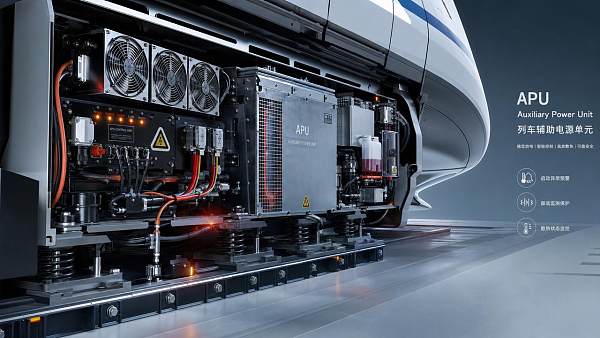
The most common origin of a train auxiliary power unit (APU) problem is not a dramatic component burn-out. It is usually a slow decline in operating conditions. A fan moves less air than it should. A connector becomes slightly loose. A filter starts to clog. A vibration level increases gradually. Voltage becomes less stable during startup. None of these conditions looks catastrophic on day one, but each can push the APU closer to repeated trips, weak output, or complete shutdown.
For operators, the key is to think in terms of “failure pathways.” The APU depends on stable electrical input, proper heat dissipation, clean airflow, secure mechanical support, and accurate control logic. If one of these pathways becomes unstable, the unit may still run for a period, but it will usually show clues first. Those clues are the best chance to intervene early.
In daily service, the earliest starting points often include hard or delayed startup, inconsistent power delivery to auxiliary systems, unexplained thermal alarms, abnormal cabinet noise, repeated breaker actions, visible dirt buildup around cooling areas, and recurring fault resets that seem to “clear themselves.” Operators should treat recurring minor symptoms as trend information, not isolated inconvenience.
What operators should notice first during startup
Startup is one of the most revealing moments for any train auxiliary power unit (APU). A healthy unit generally starts within a predictable time, follows a consistent sequence, and reaches stable output without unusual sound or delay. When that pattern changes, the APU is often telling you that an internal condition is moving away from normal.
Watch for longer-than-usual startup time, repeated start attempts, hesitation before output stabilizes, or a startup that succeeds only after reset. These signs may point to weak input power, degraded capacitors, controller issues, poor contact at terminals, or sensors giving unreliable feedback. Even if the unit eventually starts, the change in behavior is important because startup stress can accelerate existing weaknesses.
Operators should also pay attention to the environment at startup. If problems happen mainly in high heat, cold mornings, humid conditions, or after long idle periods, that pattern helps narrow the likely cause. Temperature-sensitive electronics, moisture-related insulation issues, and marginal cooling components often reveal themselves under specific conditions rather than all the time.
A simple operator habit can add real value: compare the current startup sequence with the unit’s normal baseline, not just with whether it starts or fails. “Starts, but slower and louder than last week” is far more useful to maintenance than “unit okay.”
Why abnormal vibration and noise should never be ignored
Abnormal vibration is one of the most common early warnings before a larger train auxiliary power unit (APU) failure. Operators often become used to machine noise, so the risk is not that vibration is invisible—it is that it becomes normalized. A slight rattle, a new hum, a stronger-than-usual resonance at certain speed ranges, or vibration transmitted into adjacent panels can all indicate that the APU is no longer operating in a stable mechanical state.
Typical root causes include loose mounting hardware, fan imbalance, bearing wear, shaft misalignment, structural fatigue in brackets, or internal components beginning to shift. Vibration can start as a mechanical issue and then create electrical consequences by loosening connectors, damaging insulation, or increasing thermal stress through poor airflow alignment.
From an operator perspective, the practical rule is this: if noise or vibration has changed in character, location, or intensity, document it immediately. Note when it happens—only during startup, under high load, during braking transitions, or continuously. Also note whether the sound is metallic, rhythmic, airflow-related, or intermittent. These details help maintenance teams separate likely causes much faster.
Ignoring vibration is costly because it tends to multiply problems. What begins as a loosened support or fan issue can evolve into sensor faults, thermal trips, cable wear, or damage to neighboring equipment. Early reporting is not overreacting; it is asset protection.
Cooling problems are often the hidden beginning of failure
Heat is one of the most common silent causes behind train auxiliary power unit (APU) degradation. Many APUs do not fail because a single part suddenly stops working. They fail because repeated overheating shortens component life until output becomes unstable or protection logic finally trips the system. For that reason, cooling performance deserves more operator attention than it often receives.
Warning signs include higher-than-normal cabinet temperature, fans running more aggressively than usual, thermal alarms that appear during heavy auxiliary demand, hot smells, visible dust accumulation near vents, and faults that occur mainly in summer or in enclosed depot conditions. If the APU performs worse after longer duty cycles, cooling deficiency should be high on the suspect list.
Restricted airflow is a frequent starting point. Dirty filters, blocked inlets, debris around ventilation paths, damaged fan blades, or reduced fan speed can all raise internal temperature gradually. In some cases, operators may not see a direct “cooling fault” at first. Instead, they will notice unstable output, nuisance trips, or shutdowns under load because heat is affecting electronic performance.
Cooling issues also interact with maintenance quality. If access doors are not properly closed, seals are degraded, or internal airflow paths are disturbed after service, thermal performance can drop even when the main components are technically functional. That is why operator observations after recent maintenance are especially valuable.
Power fluctuations and unstable output are major warning signs
An APU exists to provide dependable auxiliary power. When that power becomes unstable, the symptom should be treated as a high-priority warning even if the train remains operational. Flickering interior loads, inconsistent HVAC support, intermittent onboard electronics behavior, or repeated protective switching can all point to an APU problem that is still developing.
These symptoms may begin with poor electrical contact, aging power electronics, inverter instability, control board drift, grounding issues, or loading beyond the unit’s comfortable operating range. In some situations, the train auxiliary power unit (APU) itself is not the only factor; downstream loads with abnormal demand can also stress the unit and make a marginal condition visible.
Operators should pay attention to when the fluctuation happens. Does it appear during peak auxiliary demand, immediately after startup, only when multiple systems engage, or after prolonged operation? Does the issue affect one subsystem or several at once? Pattern recognition matters because it helps distinguish between a full APU output problem and a localized distribution issue.
If your operating environment allows routine monitoring, trend changes in voltage stability, load response, and fault frequency are more useful than one-time readings. A unit that “passes” today but trends downward over days or weeks may be closer to failure than a unit that had one isolated alarm.
Contamination, moisture, and poor connections cause many avoidable faults
One reason train auxiliary power unit (APU) failures seem sudden is that contamination and connection problems often remain hidden until conditions become severe enough to trigger faults. Dust, oil mist, moisture, corrosion, and loose terminals can interfere with cooling, weaken insulation, distort sensor readings, and create intermittent electrical behavior that is difficult to reproduce.
For operators, visible clues matter. Dirt concentration around vents, signs of water ingress, rust staining near access points, residue around connectors, or a pattern of faults after washing, rain exposure, or humid weather should all be reported. Even minor contamination can become serious in a power conversion environment where temperature, vibration, and electrical stress act together.
Loose or degraded connections are especially important because they can create heat, intermittent output loss, and difficult-to-trace alarms. A train auxiliary power unit (APU) may appear to recover after reset, but if the real problem is contact resistance or unstable signal transmission, the fault will usually return under vibration or load.
This is why “intermittent” should never be treated as “not urgent.” Intermittent faults are often early-stage faults. They are warning signs that a condition has not yet become permanent, which is exactly when intervention is most effective.
How loading conditions push a marginal APU into failure
Some APUs appear healthy until demand increases. Then the failures begin. This pattern often means the unit has limited performance margin because of cooling weakness, aging components, or internal electrical degradation. Under light demand, it survives. Under peak demand, it exposes the problem.
Operators should consider what was running when the event occurred. HVAC peaks, battery charging demand, lighting loads, passenger comfort systems, control electronics, and seasonal operating requirements can combine to stress the train auxiliary power unit (APU). If alarms or instability appear only during high-demand periods, the issue may be load-related rather than random.
This does not automatically mean the APU is undersized. It may mean the actual load profile has changed, the unit’s performance has declined, or one downstream subsystem is pulling irregular current. In practice, this is why operational context is essential. Maintenance can do much more with a report that says, “fault appears when HVAC and full lighting load overlap after 40 minutes,” than with a report that says only, “APU tripped.”
Repeated overload-related behavior should be escalated quickly. A marginal APU under continuous stress tends to degrade faster, and the final failure often happens at the worst possible time—during service rather than during controlled inspection.
What operators should record to speed up troubleshooting
The best operator contribution is not repairing the equipment directly. It is providing clear, structured fault evidence. Good reporting shortens diagnosis time, avoids unnecessary part replacement, and improves the chance of fixing the true cause on the first maintenance action.
At minimum, record the time of the event, operating conditions, weather or temperature context, load condition, alarms shown, whether a reset was required, whether the issue repeated, and any noticeable change in sound, smell, heat, or vibration. If procedures allow, include whether nearby systems were affected and whether the issue happened during startup, transition, steady operation, or shutdown.
It is also useful to compare with previous behavior. Was this the first event, or has startup been gradually worsening? Has vibration increased over several runs? Have thermal alarms become more frequent? Trend-based reporting is one of the strongest tools for identifying where train auxiliary power unit (APU) failures often start.
Photos, audio clips, or simple operator checklists can be extremely helpful where permitted. The goal is not to generate more paperwork, but to preserve perishable evidence before the unit cools down, resets, or behaves normally again in the workshop.
Preventive habits that reduce failure risk in daily operation
Operators cannot control every technical cause, but they can reduce risk by building strong observation habits. First, treat changes in normal behavior as meaningful. Second, report repeat minor issues early instead of waiting for a major event. Third, pay attention to environmental patterns such as heat, moisture, dust, and heavy load periods. Fourth, verify whether recent maintenance changed the APU’s behavior for better or worse.
Routine visual awareness also matters. If your role includes pre-service or walk-by checks, note blocked ventilation areas, unusual debris, loosened panels, new residue, or signs of overheating. These simple observations can stop a developing train auxiliary power unit (APU) problem before it affects service reliability.
Another valuable practice is communication between shifts. Many early failures are missed because each event seems small when viewed alone. One operator notices a slow start, another hears a new hum, and another experiences a momentary output fluctuation. Combined, those symptoms clearly indicate a trend. Separated, they are easy to dismiss.
The goal is not to turn operators into engineers. It is to make sure the people closest to the equipment can identify early deviation and trigger timely response.
Conclusion: most APU failures start small, not suddenly
Train auxiliary power unit (APU) failures often begin in predictable places: startup instability, abnormal vibration, weak cooling, contamination, poor electrical connection, and stress under load. What makes them dangerous is not that they are impossible to detect, but that they are easy to dismiss when service pressure is high and the unit still appears to be functioning.
For users and operators, the most valuable mindset is early recognition. If the APU starts differently, sounds different, runs hotter, vibrates more, or delivers less stable power, those changes deserve attention. Acting at that stage improves reliability, supports safer operation, and helps maintenance teams solve the real cause before disruption becomes costly.
In short, the best defense against major APU downtime is not waiting for a complete failure. It is noticing where the failure starts.
Recommended for You
 Fiber LasersHow to Evaluate a CNC Machining Factory for Low-Volume and Custom PartsCNC machining factory selection starts with capability, quality, and delivery—not price alone. Learn how to assess low-volume and custom parts suppliers with confidence.By: Dr. Hideo TanakaJun 14, 2026
 Lumen VisionAI in Drug Discovery News: Which Developments Matter for Pharma Teams?AI in drug discovery news reveals which advances truly matter for pharma teams—from validation and data quality to partnerships and ROI. Learn how to spot signal, reduce risk, and make smarter R&D decisions.By: Dr. Hideo TanakaJun 14, 2026
 Lumen VisionClinical Chemistry Analyzer OEM Checklist: Certifications, Capacity, and SupportClinical chemistry analyzer OEM checklist covering certifications, manufacturing capacity, quality systems, customization, and after-sales support to help buyers reduce sourcing risk.By: Dr. Hideo TanakaJun 14, 2026
 Lumen VisionAutomated Immunoassay Analyzers: What to Compare Before Choosing a SystemAutomated immunoassay analyzers: compare assay menu, analytical performance, workflow, compliance, IT integration, and total cost before choosing a reliable lab system.By: Dr. Hideo TanakaJun 14, 2026
 Lumen VisionHow to Improve Cell Counter Viability Accuracy: 7 Factors That Affect ResultsCell counter viability accuracy starts with workflow control. Discover 7 factors that affect results and learn practical ways to improve reliability, repeatability, and confidence.By: Dr. Hideo TanakaJun 14, 2026
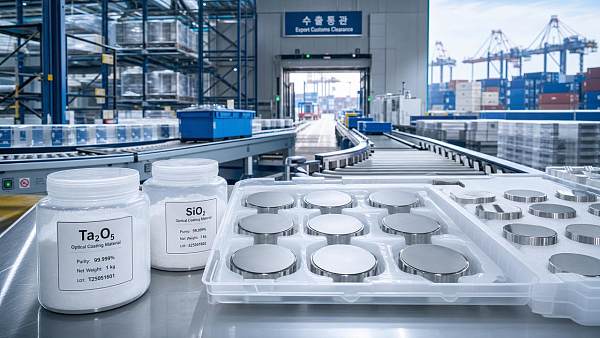
 Fiber LasersSouth Korea Opens Fast-Track K-REACH Route for Fiber Laser Coating MaterialsSouth Korea fast-tracks K-REACH for fiber laser coating materials like Ta₂O₅ and SiO₂, cutting customs to 72 hours. See what it means for supply chains, procurement, and production continuity.By: Dr. Hideo TanakaJun 14, 2026
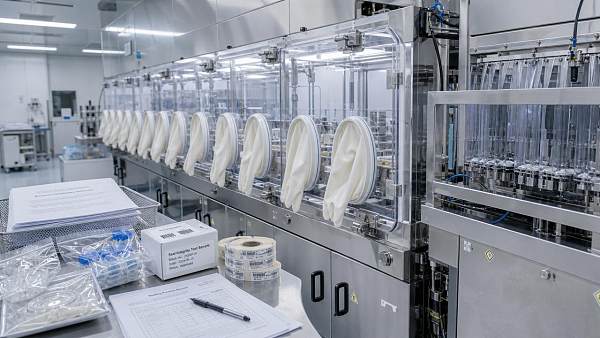
 SafeStreamASTM F2100-26 Takes Effect for SafeStream ExportsASTM F2100-26 takes effect for SafeStream exports on May 1, 2026. Learn how BFE@120mmHg and ISO 11607-2 requirements impact U.S. compliance, documents, and delivery readiness.By: Marcus SterlingJun 14, 2026
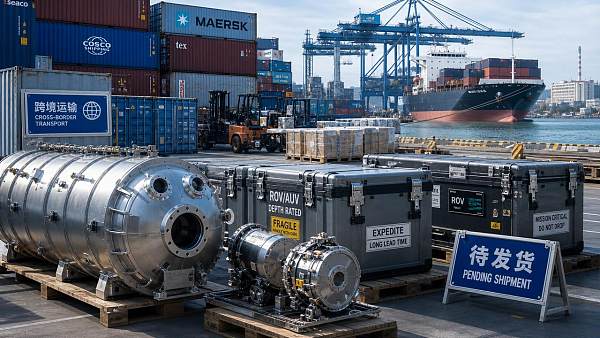
 Subsea ROV/AUVHormuz Disruptions Stretch Subsea ROV/AUV Lead TimesSubsea ROV/AUV lead times are stretching as Hormuz disruptions and Gulf security checks delay shipments. Learn how exporters, EPCs, and buyers can reduce risk and protect delivery plans.By: Captain Kenji SatoJun 14, 2026
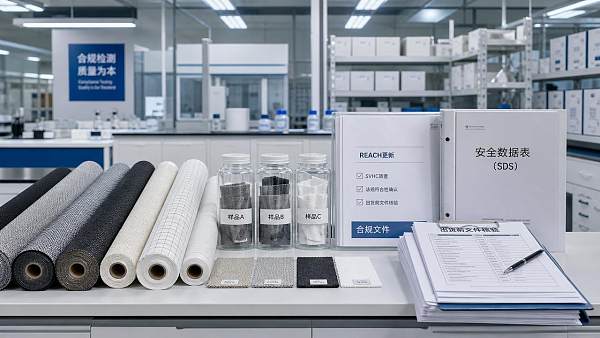
 Technical FabricsREACH Update Tightens Checks for Technical FabricsREACH Update for Technical Fabrics now tightens EU shipment checks. Learn how Annex XVII changes, SVHC screening, DoC, and SDS updates affect compliance, sourcing, and export readiness.By: Chloe DuboisJun 14, 2026
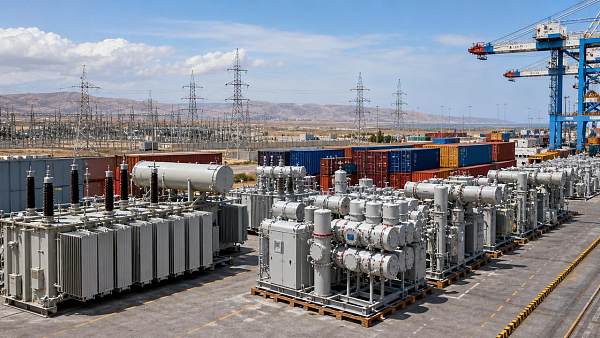
 UHV TransformersChina Zero-Tariff Move Cuts Export Costs for UHV TransformersChina zero-tariff move cuts export costs for UHV Transformers and GIS Switchgear, boosting bid competitiveness in Africa. See how suppliers can price smarter and win more projects.By: Dr. Elena VoltJun 14, 2026
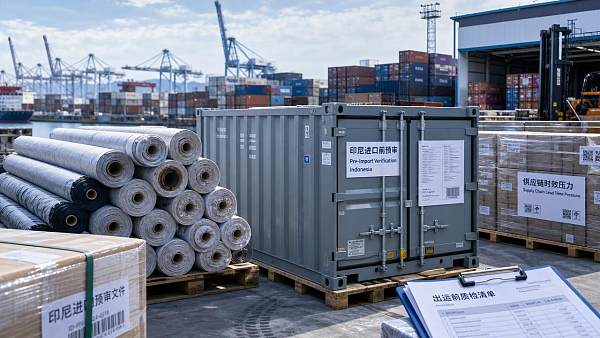
 Technical FabricsIndonesia Adds BPS Pre-Shipment Step for Technical Fabrics ImportsTechnical Fabrics imports into Indonesia now require BPS pre-shipment registration and screening. Learn how the June 10 rule may delay Jakarta and Surabaya port clearance by 12–18 days.By: Chloe DuboisJun 13, 2026
 Fiber LasersWTO Cuts 2026 Trade Growth Outlook to 1.9%WTO cuts 2026 trade growth outlook to 1.9%, signaling tougher conditions for global trade. See how exporters, manufacturers, and AI hardware suppliers can adapt faster.By: Dr. Hideo TanakaJun 13, 2026
 Technical FabricsThailand Tightens BPS Entry Rules for Technical FabricsThailand Tightens BPS Entry Rules for Technical Fabrics: learn how new BPS certification and pre-review steps may affect exports, compliance timing, and buyer planning.By: Chloe DuboisJun 13, 2026
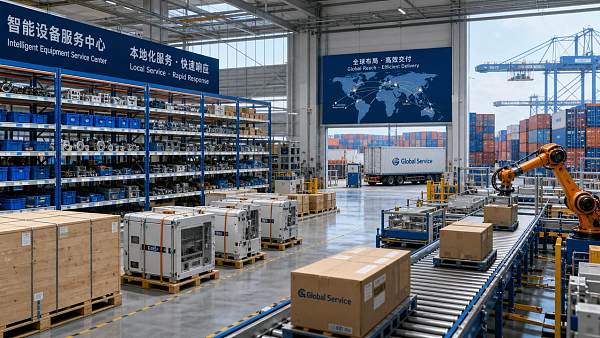
 Sorting RobotsChina’s New Outbound Investment Rules Speed Local SetupChina’s new outbound investment rules speed local setup for intelligent equipment firms, boosting overseas service networks, spare parts support, and faster technical response in ASEAN and Latin America.By: Marcus SterlingJun 13, 2026
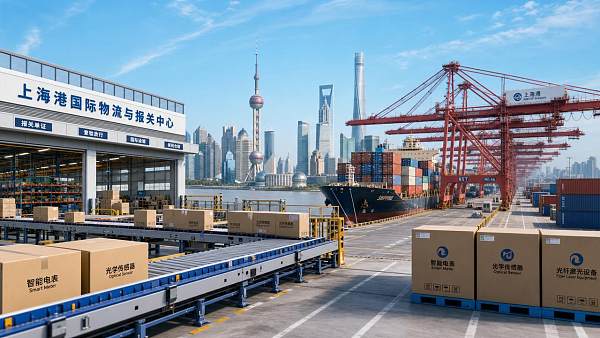
 Smart MetersShanghai Single Window Adds Supply Chain HubShanghai Single Window adds a new supply chain hub, streamlining customs filings, certificates of origin, logistics, and compliance for precision equipment exporters. See what it means for smarter cross-border trade.By: Dr. Elena VoltJun 13, 2026
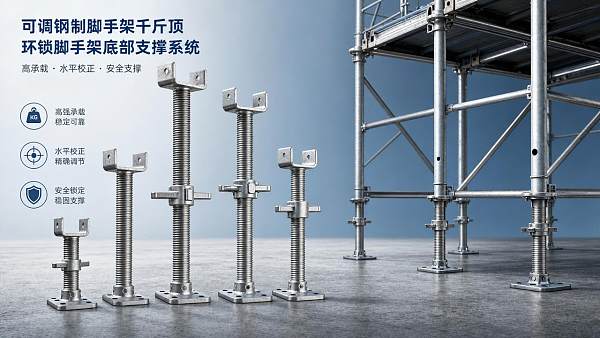
 Grid ResilienceAdjustable Steel Scaffolding Jacks: Load Capacity, Height Range, and Site Safety BasicsAdjustable steel scaffolding jacks explained: compare load capacity, height range, and site safety basics to choose safer, compliant options for demanding projects.By: Dr. Elena VoltJun 13, 2026
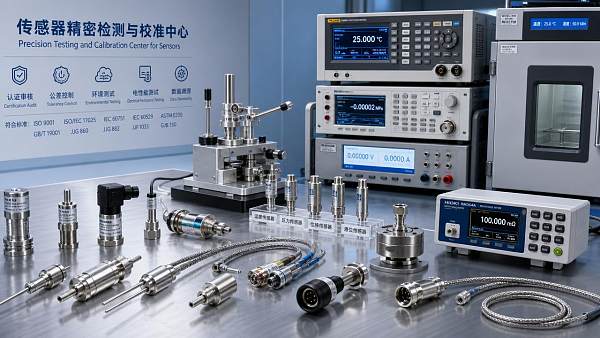
 Optical SensorsSensors Manufacturer Evaluation Checklist: Certifications, Tolerances, and Testing CapacitySensors manufacturer evaluation starts with proof, not promises. Discover how certifications, tolerances, and testing capacity help you shortlist reliable suppliers with confidence.By: Dr. Hideo TanakaJun 13, 2026
 Fabric LogicTextile Humidifier OEM Guide: Key Specs, Customization Options, and Factory QuestionsTextile humidifier OEM guide covering key specs, smart customization, factory evaluation questions, cost factors, and buying tips to help you choose a reliable supplier with confidence.By: Chloe DuboisJun 13, 2026
 Digital SeaWhat Is Sustainable Tourism and How Can Destinations Reduce Environmental Impact?Sustainable tourism explained: learn how destinations can reduce environmental impact with smarter transport, water, waste, and infrastructure strategies.By: Captain Kenji SatoJun 13, 2026
 SafeStreamHow to Choose Wireless Security Systems for Warehouses, Offices, and Retail StoresWireless security systems for warehouses, offices, and retail stores: learn how to compare coverage, scalability, compliance, and ROI to choose a smarter, safer solution.By: Marcus SterlingJun 13, 2026
 Smart MetersEnergy Efficiency Upgrades: How to Prioritize Projects by Payback, Load, and RiskEnergy efficiency upgrades made practical: learn how to prioritize projects by payback, load impact, and implementation risk to cut costs, protect uptime, and make smarter capital decisions.By: Dr. Elena VoltJun 12, 2026
 Digital SeaInbound Tourism Trends: What Destinations, Travelers, and Spending Patterns RevealInbound tourism trends reveal more than arrivals. Discover how destinations, traveler segments, and spending patterns signal market resilience, infrastructure readiness, and cross-sector growth opportunities.By: Captain Kenji SatoJun 12, 2026
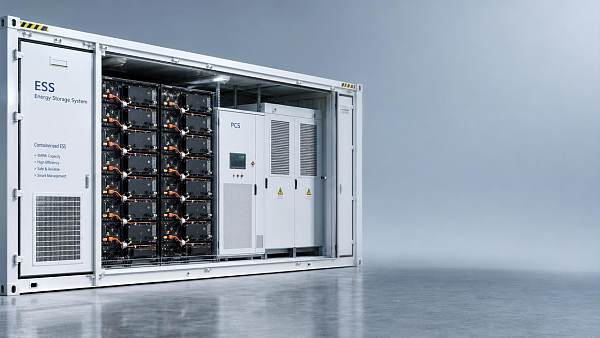
 Grid ResilienceESS Benchmarking Explained: Which KPIs Matter for Performance, Safety, and Lifecycle Cost?ESS Benchmarking explained: discover the KPIs that truly drive storage performance, safety, and lifecycle cost—so you can compare systems smarter and choose with confidence.By: Dr. Elena VoltJun 12, 2026
 Fabric LogicSustainable Packaging Solutions for Food and Retail: Materials, Trade-Offs, and Use CasesSustainable packaging solutions for food and retail: compare fiber, recyclable plastics, compostables, and reusable formats to balance cost, compliance, performance, and brand impact.By: Chloe DuboisJun 12, 2026
 SafeStreamBlood Pressure Monitor Wholesale: How to Compare Accuracy, Certifications, and MOQBlood pressure monitor wholesale guide: compare accuracy validation, certifications, and MOQ terms to avoid hidden costs, reduce sourcing risk, and choose suppliers with confidence.By: Marcus SterlingJun 12, 2026
 Technical FabricsIndonesia Adds BPS Pre-Clearance for Technical FabricsIndonesia Adds BPS Pre-Clearance for Technical Fabrics: learn how mandatory SNI certification and INATRADE filing now impact exports, customs clearance, and shipment planning.By: Chloe DuboisJun 12, 2026
 Subsea ROV/AUVPSA AI Scheduling Cuts ROV/AUV Shipping Time 18%PSA AI scheduling cuts ROV/AUV shipping time 18%, boosting delivery reliability to 99.2%. Discover what this means for exporters, buyers, and logistics planning.By: Captain Kenji SatoJun 12, 2026
 Sorting RobotsNew Outbound Investment Rules Aid Overseas Service SetupNew Outbound Investment Rules clarify support for overseas service setup, helping Sorting Robots and Lumen Vision providers expand local centers, spare parts hubs, and faster after-sales response.By: Marcus SterlingJun 12, 2026
 SafeStreamChina Customs Rule Hits SafeStream Aseptic ImportsChina customs rule impacts SafeStream aseptic imports as food-contact equipment documents become a clearance issue. Learn the risks, compliance steps, and how to avoid delays.By: Marcus SterlingJun 12, 2026
 Marine WinchesJapan Opens Steel Probe Affecting Winch and UHV PartsJapan opens a steel probe affecting Marine Winches, UHV transformer tanks, and GIS Switchgear parts. Learn scope, HS codes, risks, and compliance steps for Japan-bound exports.By: Captain Kenji SatoJun 12, 2026
 Grid ResilienceClimate Technology Explained: Main Categories, Use Cases, and Buying PrioritiesClimate technology explained: explore key categories, real industrial use cases, and smart buying priorities to cut risk, improve efficiency, and make better low-carbon investment decisions.By: Dr. Elena VoltJun 11, 2026