BDI: 1,842 ▼ 1.2%
COTTON NO.2: 84.12 ▲ 0.4%
LME COPPER: 8,432.50 ▲ 2.1%
FOOD SAFETY INDEX: 94.2 ARCHIVE_SECURED
OPTICAL INDEX: 11,204.09 STABLE
BDI: 1,842 ▼ 1.2%

SECTOR INDEX
V.24.08 ARCHIVE
Hot Articles
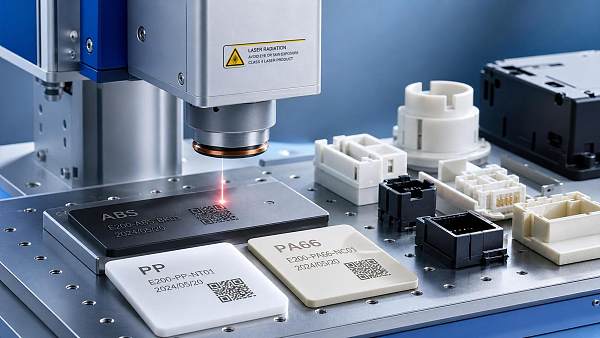
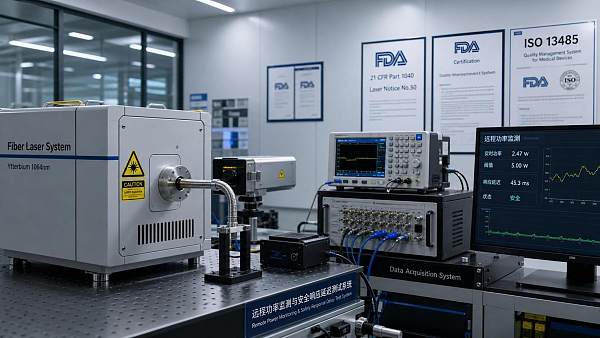
- How to Choose Laser Marking for Plastics by Resin Type, Contrast, and SpeedLaser marking for plastics starts with the right resin, contrast, and speed. Learn how to compare UV, fiber, and CO2 options for clearer codes, fewer defects, and better production results.
- EU Tightens CE Rules for GIS SwitchgearEU Tightens CE Rules for GIS Switchgear: learn how IEC 62271-100:2026, NB type testing, and EU Declaration of Conformity will affect EU market access from 2027.
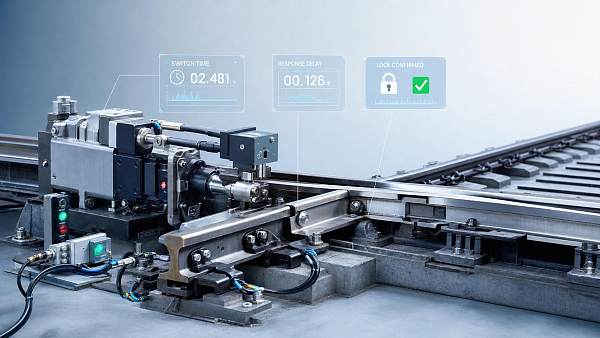
- How to Set a Turnout Timing Benchmark: Key Metrics for Switching Accuracy and ReliabilityTurnout timing benchmark explained: learn the key metrics, threshold methods, and test conditions that improve switching accuracy, reliability, and smarter maintenance decisions.
What Affects signal lamp visibility distance on Site?


On busy industrial sites, signal lamp visibility distance directly affects how quickly operators recognize warnings, status changes, and safety instructions. Yet visibility is not determined by lamp brightness alone. Ambient light, mounting height, lens color, viewing angle, weather, dust, vibration, and operator line of sight all influence whether a signal is noticed in time. This article explains the key on-site factors that shape visibility performance, helping users and operators evaluate signal lamps more accurately and improve daily safety, response speed, and equipment reliability.
Why signal lamp visibility distance changes from one site to another

Signal lamp visibility distance is the practical distance at which an operator can detect, identify, and correctly interpret a lamp indication under real working conditions.
A lamp may be visible in a catalog test, yet less effective beside cranes, conveyors, substations, washdown lines, or shipyard equipment.
Visibility is a system, not a single brightness value
For users and operators, the important question is not only “How bright is it?” but “Can I understand it while working?”
Recognition depends on contrast, color meaning, motion around the lamp, viewing position, fatigue, and the time available to react.
- Detection means the operator notices that a lamp is active, even before understanding the exact status.
- Identification means the operator can distinguish red, amber, green, blue, or white correctly.
- Response means the operator has enough time and confidence to take the correct action.
G-MCE evaluates industrial hardware across maritime engineering, textile automation, smart grid assets, food processing, and photonics. This cross-sector view is useful because visibility problems repeat in different forms across sites.
Which on-site factors reduce signal lamp visibility distance most?
Several variables can shorten signal lamp visibility distance even when the lamp is technically functional. The table below helps operators link symptoms to likely causes.
The most common mistake is testing from the ideal front position. Real signal lamp visibility distance must be checked from the places where people actually make decisions.
Color contrast can be more important than raw output
Red warning lamps are widely used, but red can lose impact near hot surfaces, red-painted guards, or emergency signage.
Amber may stand out better in some zones, while green can be confused with normal status indicators when too many machines use it.
Operators should review whether color meaning is consistent across machines. Inconsistent signals increase hesitation and reduce response speed.
How different industrial environments change visibility requirements
A signal lamp that works well in a clean indoor line may underperform outdoors, offshore, or near high-voltage switching equipment.
The following comparison reflects common site conditions across G-MCE’s multi-sector benchmarking work and helps users define realistic expectations.
This comparison shows why signal lamp visibility distance should be defined by use case. A single distance claim cannot represent every plant, vessel, yard, or utility site.
Operator movement matters
Many visibility failures happen when the operator is walking, driving, or monitoring several machines at once. Side view performance becomes critical.
Forklift drivers, crane spotters, line attendants, and panel operators need signals positioned along their movement path, not only near the equipment cabinet.
What parameters should users check before choosing a signal lamp?
Operators rarely select lamps from datasheets alone, but knowing which parameters matter helps them give better feedback to maintenance and procurement teams.
Key technical points behind practical visibility
- Luminous intensity affects how strongly a lamp can compete with surrounding light, but excessive brightness can create glare at short range.
- Lens color and diffusion influence whether the signal is recognizable from side angles and under changing light.
- Flashing pattern can improve noticeability, but too many flashing signals create alarm fatigue and confusion.
- Ingress protection is important where water, oil mist, dust, fibers, or outdoor exposure can degrade the lens.
- Mechanical stability matters because vibration can loosen lamp towers, shift viewing direction, or damage electrical connections.
When discussing signal lamp visibility distance with suppliers, users should describe the site, not only request a brighter model.
Practical field test checklist
- Test visibility from normal operator stations, maintenance access points, vehicle routes, and emergency stop locations.
- Repeat the test during different shifts, because ambient light and worker attention change during the day.
- Confirm that color meaning matches the site’s operating rules and is not duplicated by unrelated signs.
- Check whether the lamp remains visible after one production cycle, especially in dusty or wet environments.
A short field test often reveals more than a long specification sheet. It also reduces disagreement between operators, maintenance, and purchasing teams.
How to balance cost, safety, and replacement options
Budget limits are real, especially when a site must replace many lamps across production lines, yards, or utility panels.
However, the lowest unit price may not deliver acceptable signal lamp visibility distance if cleaning, repositioning, or downtime costs increase.
Cost comparison should include operating conditions
The table below gives a practical way to compare common upgrade choices without relying on a single price figure.
For many users, the right answer is not the most expensive lamp. It is the solution that keeps status information visible at the decision point.
Which standards and compliance references are relevant?
Standards do not replace field judgment, but they provide common language for safety, colors, enclosure protection, and electrical compatibility.
For global operations, procurement teams may reference IEC, ISO, ASTM, or regional electrical requirements depending on the equipment category and destination market.
Compliance questions operators should raise
- Does the lamp housing suit the site’s dust, water, oil, cleaning, or outdoor exposure conditions?
- Are signal colors aligned with internal operating procedures and common safety conventions?
- Is the lamp compatible with the machine voltage, control logic, and maintenance skill level?
- Can the supplier provide documentation useful for inspection, maintenance records, and cross-border procurement review?
G-MCE’s value lies in connecting technical benchmarking with procurement reality. Visibility, compliance, lead time, and site constraints should be evaluated together.
FAQ: practical questions about signal lamp visibility distance
How far should a signal lamp be visible on an industrial site?
There is no universal distance that suits every site. A compact machine may need clear visibility from several meters, while outdoor assets may need longer recognition.
The correct signal lamp visibility distance should match the time required to notice, understand, and respond safely in that specific task.
Is a brighter lamp always better?
No. Higher output can help outdoors or in bright workshops, but it may cause glare in control rooms or close-range operator stations.
A balanced choice considers brightness, lens diffusion, color contrast, mounting position, and the operator’s viewing angle.
What is the most overlooked cause of poor visibility?
Blocked line of sight is often overlooked. Guards, pipes, stacked materials, doors, cable trays, and moving vehicles can hide a lamp intermittently.
Operators should report where the lamp disappears during real work, not only whether it is visible while standing still.
How often should visibility be checked?
A basic check should be included after installation, after layout changes, after lighting upgrades, and during routine safety inspections.
In dusty, wet, or vibration-heavy locations, signal lamp visibility distance should be reviewed more frequently because performance can decline gradually.
Why choose G-MCE for signal lamp visibility evaluation and sourcing support?
G-MCE supports B2B buyers, distributors, manufacturers, and site teams that need practical decisions across complex industrial environments.
Our multi-core perspective helps connect signal lamp visibility distance with application risk, procurement constraints, documentation needs, and cross-border supply requirements.
What you can consult before purchasing or upgrading
- Parameter confirmation for brightness, color, viewing angle, enclosure protection, voltage, and mounting method.
- Product selection advice based on maritime, textile, smart grid, food processing, or precision equipment environments.
- Delivery cycle discussion for replacement projects, multi-site upgrades, and tender-linked procurement schedules.
- Custom solution review when standard lamps cannot solve distance, glare, weather, or line-of-sight problems.
- Certification and documentation guidance for inspection records, international purchasing, and supplier comparison.
- Sample support and quotation communication when operators need to verify real visibility before larger deployment.
If your site has uncertain visibility, frequent missed signals, or conflicting lamp specifications, contact G-MCE to review the operating scene before committing budget.
A focused evaluation can clarify the required signal lamp visibility distance, reduce avoidable replacement costs, and improve daily operator response confidence.
Recommended for You
 Fiber LasersHow to Choose Laser Marking for Plastics by Resin Type, Contrast, and SpeedLaser marking for plastics starts with the right resin, contrast, and speed. Learn how to compare UV, fiber, and CO2 options for clearer codes, fewer defects, and better production results.By: Dr. Hideo TanakaJul 19, 2026
 GIS SwitchgearEU Tightens CE Rules for GIS SwitchgearEU Tightens CE Rules for GIS Switchgear: learn how IEC 62271-100:2026, NB type testing, and EU Declaration of Conformity will affect EU market access from 2027.By: Dr. Elena VoltJul 19, 2026
 Digital SeaHow to Set a Turnout Timing Benchmark: Key Metrics for Switching Accuracy and ReliabilityTurnout timing benchmark explained: learn the key metrics, threshold methods, and test conditions that improve switching accuracy, reliability, and smarter maintenance decisions.By: Captain Kenji SatoJul 18, 2026
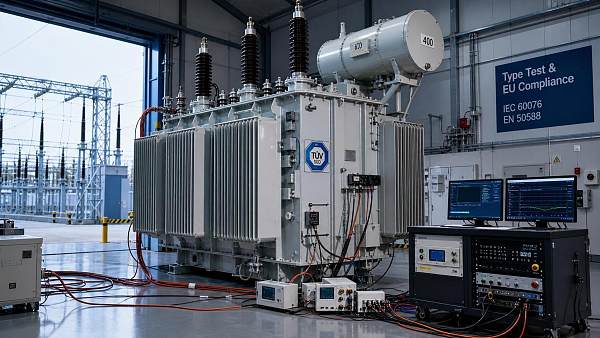
 UHV TransformersEU Sets UHV Transformer Test Rule for October 2026EU Sets UHV Transformer Test Rule for October 2026. Learn how the new EU compliance notice impacts IEC 60076-23 testing, Notified Body approval, delivery timelines, and supplier market access.By: Dr. Elena VoltJul 18, 2026
 Fabric LogicHow to Evaluate a Smart Device Components Factory: Quality, Capacity, and OEM ReadinessSmart device components factory selection starts with quality, capacity, and OEM readiness. Learn how to assess compliance, engineering support, and supply stability before you buy.By: Chloe DuboisJul 17, 2026
 UHV TransformersIEC Sets New UHV Transformer Testing RuleIEC Sets New UHV Transformer Testing Rule: discover how IEC 60076-23:2026 reshapes UHV transformer compliance, procurement access, and cross-border delivery planning before November 2026.By: Dr. Elena VoltJul 17, 2026
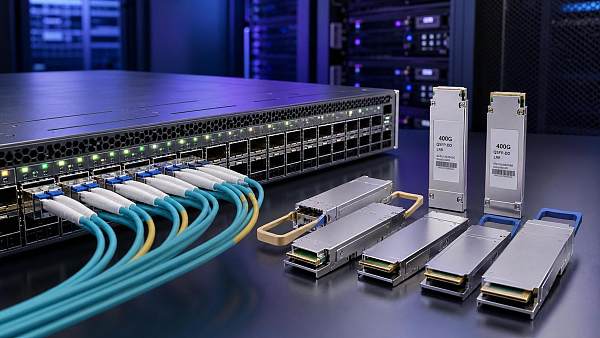
 Optical SensorsHow to Evaluate 400G Transceiver Performance: Key Metrics for Speed, Reach, and Power400g transceiver performance goes beyond line rate. Learn how to assess speed, reach, BER, thermal stability, and power to choose reliable 400G optics with confidence.By: Dr. Hideo TanakaJul 16, 2026
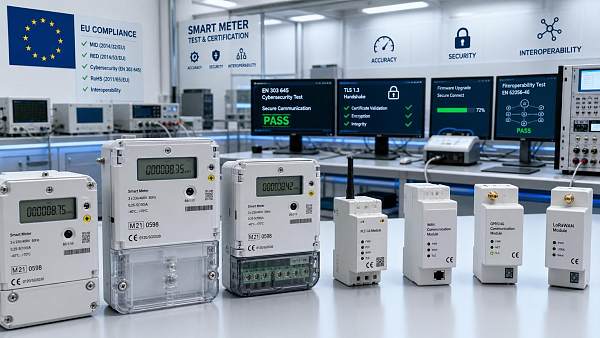
 Smart MetersEU Sets EN 13757-4:2026 Rule for Smart MetersEU Sets EN 13757-4:2026 Rule for Smart Meters: learn how the new EU compliance deadline impacts certification, CE marking, cybersecurity, and market access from October 2026.By: Dr. Elena VoltJul 16, 2026
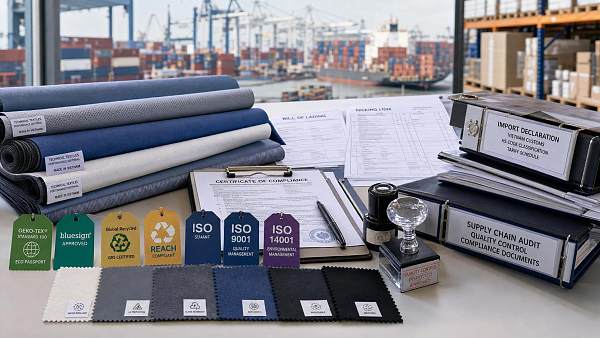
 Technical FabricsCommercial Grade Fabric Durability: Which Test Results Actually Predict Service Life?Commercial grade fabric durability is not defined by abrasion alone. Learn which test results truly predict service life and how to compare fabrics with confidence.By: Chloe DuboisJul 15, 2026
 Grid ResilienceEscalator Peak Power Demand: How to Size Supply Capacity for Busy Commercial SitesEscalator peak power demand explained for busy commercial sites: learn how to size supply capacity, avoid voltage dips and costly retrofits, and plan with more confidence.By: Dr. Elena VoltJul 15, 2026
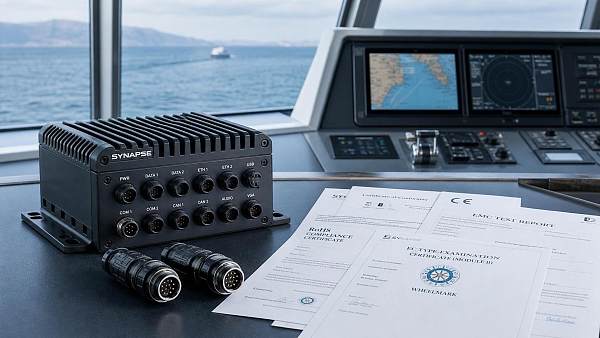
 Digital SeaMarine Electronics IP68 in Europe: Which Certifications Matter Before You Buy?Marine electronics IP68 Europe buyers should verify CE, EMC, RoHS, RED, and Wheelmark before ordering. Discover which certifications reduce risk, delays, and hidden costs.By: Captain Kenji SatoJul 15, 2026
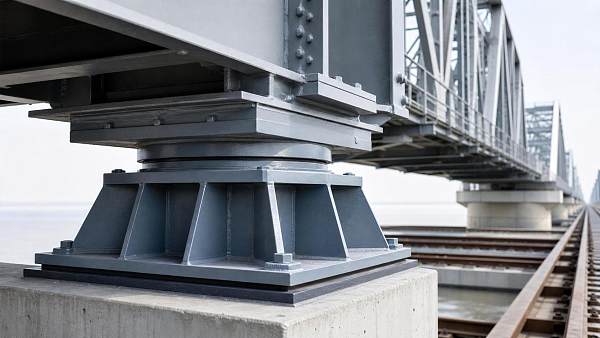
 Grid ResilienceHow to Select a Steel Railway Bridge Bearing for Load, Movement, and Fatigue LifeSteel railway bridge bearing selection made practical: learn how to assess load, movement, rotation, corrosion, and fatigue life to reduce risk and improve long-term bridge performance.By: Dr. Elena VoltJul 15, 2026
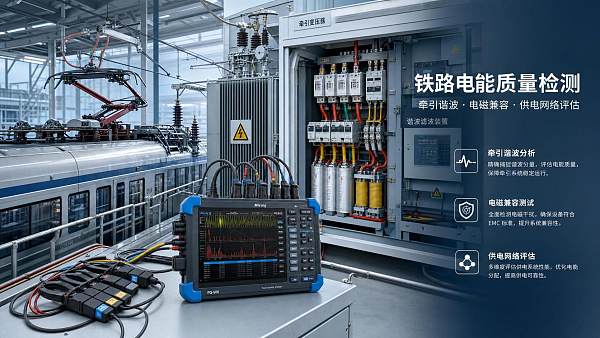
 Grid ResilienceTraction Harmonic Limits Explained: What Rail and Transit Engineers Need to CheckTraction harmonic limits explained for rail and transit engineers: learn what to check in standards, measurements, substations, signaling, and approval workflows.By: Dr. Elena VoltJul 15, 2026
 Marine WinchesBrazil Sets Phased Marine Winch Certification RuleBrazil sets phased marine winch certification rules under INMETRO, shifting from ISO 17096 declarations to third-party testing by March 2027. See impacts on imports, compliance, and delivery planning.By: Captain Kenji SatoJul 15, 2026
 Fiber LasersFiber Laser Lead Times Pass 24 Weeks on QBH Module ConstraintsFiber laser lead times pass 24 weeks as QBH module constraints tighten supply. See how modular delivery, local integration, and OEM opportunities are reshaping exporter and buyer strategies.By: Dr. Hideo TanakaJul 15, 2026
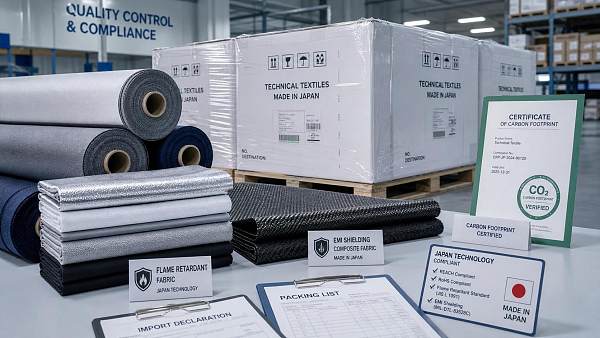
 Technical FabricsJapan Tightens Entry Rules for Technical FabricsJapan Tightens Entry Rules for Technical Fabrics: learn how METI’s new carbon footprint label requirement may impact customs clearance, shipment timing, and compliance readiness before October 2026.By: Chloe DuboisJul 15, 2026
 SafeStreamFDA Revises Aseptic Guidance for SafeStream AI LoggingFDA revises aseptic guidance for SafeStream AI logging, adding 72-hour decision logs and traceability rules. Learn how this impacts validation, exports, buyer acceptance, and compliance readiness.By: Marcus SterlingJul 15, 2026
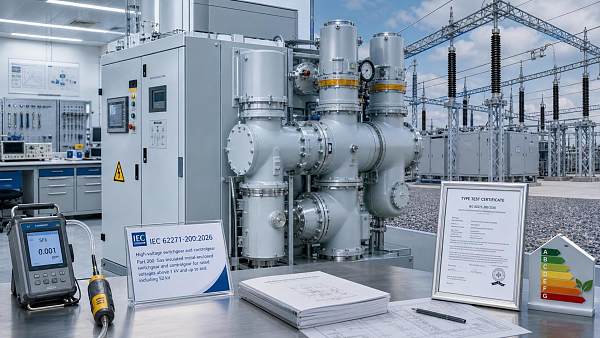
 GIS SwitchgearEU Sets 2027 GIS Switchgear Rule Under IEC 62271-200:2026GIS Switchgear faces a major EU compliance shift in 2027. Learn how IEC 62271-200:2026 and new SF₆ leakage and efficiency rules will affect CE access, exports, testing, and buyer decisions.By: Dr. Elena VoltJul 15, 2026
 Fiber LasersHigh-Performance Rare Earth Magnets News: Supply Risks, Price Drivers, and Sourcing SignalsHigh-performance rare earth magnets news: track supply risks, price drivers, and sourcing signals shaping costs, lead times, and supplier strategy across critical industries.By: Dr. Hideo TanakaJul 14, 2026
 Grid ResilienceIndustrial Asset Management Tools: What to Compare Before Buying for Multi-Site OperationsIndustrial asset management tools for multi-site operations: compare integration, data quality, scalability, and total cost before you buy to improve uptime and control.By: Dr. Elena VoltJul 14, 2026
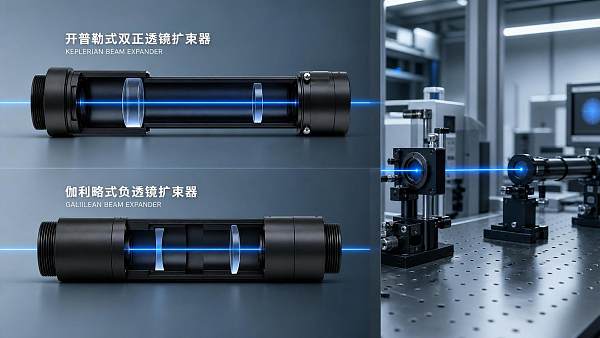
 Precision LensesKeplerian Beam Expander vs Galilean: Which Optical Setup Fits High-Power Laser Systems?Keplerian beam expander vs Galilean: discover which design better fits high-power laser systems for beam quality, thermal stability, and reliable industrial performance.By: Dr. Hideo TanakaJul 14, 2026
 UHV TransformersHow to Size Power Transformers for Utility Projects: Ratings, Cooling, and Load GrowthPowertransformers sizing for utility projects: learn how ratings, cooling methods, and load growth shape reliable, cost-effective transformer selection for long-term grid performance.By: Dr. Elena VoltJul 14, 2026
 Aseptic FillingFood Processing Lines Explained: Key Equipment, Workflow Stages, and Plant FitFood processing lines explained: explore key equipment, workflow stages, plant-fit factors, and common evaluation mistakes to choose a safer, more efficient production system.By: Marcus SterlingJul 14, 2026
 Fiber LasersNIST Sets New Fiber Laser Safety Benchmark for FDA AccessFiber laser safety rules are tightening: discover how NIST’s new benchmark may affect FDA 510(k) access, firmware upgrades, delay test reports, and U.S. market readiness by 2026.By: Dr. Hideo TanakaJul 14, 2026
 Technical FabricsVietnam to Apply Green Tariff Tiers to Technical FabricsTechnical Fabrics exporters to Vietnam face new green tariff tiers tied to OEKO-TEX certification from Oct 2026. Learn the cost, compliance, and procurement risks now.By: Chloe DuboisJul 14, 2026
 Sorting RobotsSorting Robot Lead Times Stretch to 22 WeeksSorting Robot lead times stretch to 22 weeks as vision module shortages disrupt delivery plans. Learn the supply chain impact, supplier review risks, and why OEMs must act now.By: Marcus SterlingJul 14, 2026
 Marine WinchesSaudi SASO Adds ISO 17096 for Marine WinchesSaudi SASO adds ISO 17096 for Marine Winches from Sept. 1, 2026. Learn the new CoC and test report requirements, likely 8–12 week delays, and how exporters can avoid shipment risks.By: Captain Kenji SatoJul 14, 2026
 UHV TransformersEU Mandates Digital Twin Modules for New UHV Transformer ImportsEU mandates digital twin modules for new UHV transformer imports from October 2026. Learn compliance impacts, IEC 62591 requirements, CE-DoC steps, and key actions for exporters.By: Dr. Elena VoltJul 14, 2026
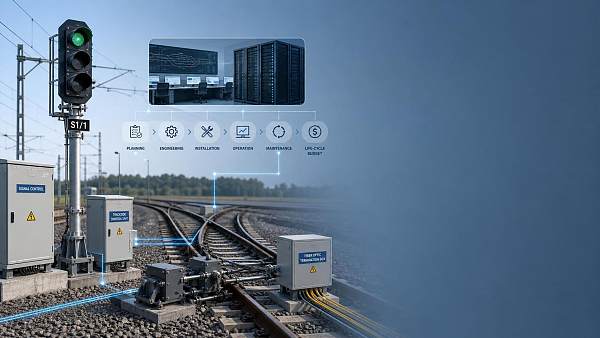
 SafeStreamRailway Signaling System Cost Breakdown: Equipment, Installation, and Lifecycle BudgetRailway signaling system cost explained: compare equipment, installation, testing, and lifecycle budget factors to avoid hidden expenses and make smarter rail investment decisions.By: Marcus SterlingJul 13, 2026
 Lumen VisionLiving Room Decor Ideas by Layout: How to Style Small, Open, and Narrow SpacesLiving room decor ideas tailored to small, open, and narrow layouts. Learn smart styling tips, zoning strategies, and proportion fixes to create a functional, beautiful space.By: Dr. Hideo TanakaJul 13, 2026
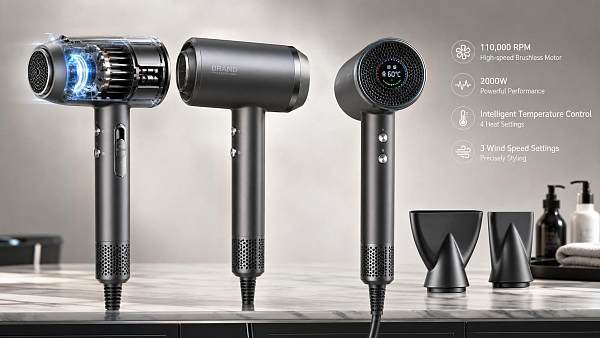
 Lumen VisionProfessional Hairdryers Explained: Motor Types, Wattage, Heat Control, and Salon Useprofessionalhairdryers explained with clear insights on motor types, wattage, heat control, and salon-use comfort. Discover how to choose a reliable dryer for better results and less heat stress.By: Dr. Hideo TanakaJul 13, 2026