BDI: 1,842 ▼ 1.2%
COTTON NO.2: 84.12 ▲ 0.4%
LME COPPER: 8,432.50 ▲ 2.1%
FOOD SAFETY INDEX: 94.2 ARCHIVE_SECURED
OPTICAL INDEX: 11,204.09 STABLE
BDI: 1,842 ▼ 1.2%

SECTOR INDEX
V.24.08 ARCHIVE
Hot Articles
- IP Cameras for Industrial Sites: How to Compare Resolution, Night Vision, and PoEIPcameras for industrial sites: compare resolution, night vision, and PoE the smart way. Learn how to match image detail, low-light performance, and power design for reliable, cost-effective monitoring.
- Industrial Equipment Preventive Maintenance Checklist: Key Failure Points to WatchIndustrial equipment preventive maintenance checklist: spot failure points early, reduce downtime, and tailor inspections for moisture, alignment, electrical stress, and precision risk.
- Industrial Fryer Oil Turnover Rate: How to Calculate It and What Affects Oil LifeIndustrial fryer oil turnover rate explained: learn how to calculate it, what affects oil life, and how to reduce costs, improve product quality, and keep fryer performance stable.
Cross-Border Rail Interoperability Still Fails at the Border


Despite decades of harmonization efforts, cross-border rail interoperability still breaks down where it matters most: at the border. For project managers and engineering leads, these failures mean delayed commissioning, higher lifecycle costs, and fragmented compliance across signaling, power, and operational standards. Understanding why cross-border rail interoperability remains unresolved is essential to delivering resilient, investment-ready infrastructure.
For B2B decision-makers managing rail corridors, logistics gateways, energy interfaces, and connected industrial assets, the problem is no longer theoretical. A line may be technically complete, civil works may be 95% finished, and rolling stock may be factory-tested, yet border operations still require locomotive changes, manual document checks, software reconfiguration, or restricted operating windows. In practice, cross-border rail interoperability is often limited by the weakest interface rather than the strongest subsystem.
This matters well beyond transport policy. Rail interoperability affects procurement schedules, substation design, signaling integration, spare-parts strategy, training plans, and long-term asset utilization. For project managers and engineering leaders, the issue should be treated as a multi-domain systems challenge spanning infrastructure, energy, compliance, digital control, and operational governance.
Why Cross-Border Rail Interoperability Still Fails in Real Projects
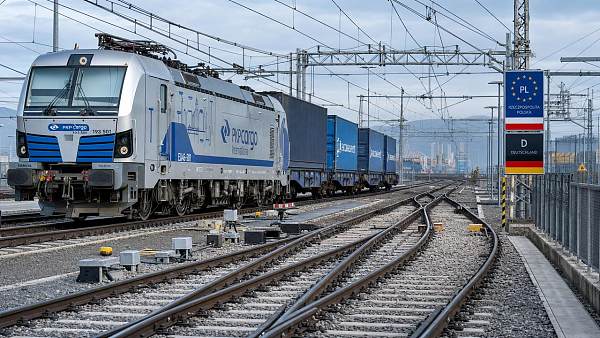
At project level, cross-border rail interoperability fails because formal alignment on paper does not always produce operational compatibility in the field. A corridor can meet high-level policy goals while still containing 4 to 7 practical breakpoints: signaling transitions, traction voltage changes, axle-load limits, national safety approvals, language-dependent operating rules, and maintenance system incompatibility.
Signaling and train control remain fragmented
Even where common control philosophies exist, legacy systems continue to shape commissioning risk. Mixed environments often combine national automatic train protection systems with newer digital layers, creating duplicated interfaces and complex fallback logic. For engineering teams, every additional interface increases factory acceptance test scope, site acceptance test duration, and software validation effort, sometimes by 15% to 30% compared with domestic-only projects.
The hidden burden of transitional architecture
Transitional architecture is one of the most underestimated causes of delay. When a train must communicate with more than one signaling environment over a single route, onboard equipment, balise interpretation, radio coverage, and fallback modes must all be validated under multiple operating cases. A line designed for 160 km/h service can end up operating at temporary restrictions of 80 to 120 km/h near the border until validation is complete.
Traction power differences are still costly
Power system discontinuity remains a major obstacle. Adjacent countries may use different electrification systems such as 25 kV AC, 15 kV AC, 3 kV DC, or 1.5 kV DC. Multi-system rolling stock can solve part of the problem, but it raises procurement cost, transformer complexity, converter sizing, maintenance training requirements, and spare inventory planning. In freight-heavy corridors, this can shift lifecycle cost assumptions over a 20- to 30-year asset horizon.
Substation interfaces also matter. Voltage transition zones, neutral sections, earthing practices, and power quality tolerances can differ enough to require route-specific engineering. If these issues are addressed late, redesign may affect catenary sections, protection settings, or rolling stock acceptance testing during the final 6 to 12 months before launch.
Operational rules and approvals create non-technical bottlenecks
Cross-border rail interoperability is not only an engineering matter. Drivers, dispatchers, maintenance crews, and safety assessors work within national rulebooks, approval procedures, and incident reporting frameworks. A technically interoperable train can still face market entry delays if operational certificates, route knowledge requirements, emergency communication protocols, or language obligations are not aligned.
In many projects, approval lead time can exceed equipment delivery lead time. Hardware may arrive in 20 to 40 weeks, but acceptance across two jurisdictions can extend beyond 12 months if documentation sets, hazard logs, and validation evidence must be resubmitted in different formats.
The matrix below highlights where interoperability breakdowns most often appear and how they affect project controls.
The key conclusion is that border failure is rarely caused by one dramatic defect. More often, it is the accumulation of small mismatches across electrical, digital, procedural, and organizational layers. That is why cross-border rail interoperability should be managed as an integrated delivery risk from concept design onward, not as a commissioning checklist item.
What Project Managers Must Prioritize from Procurement to Commissioning
For project leaders, the most effective response is to turn interoperability into a procurement and governance framework rather than leaving it to separate discipline teams. In practical terms, that means defining a border-readiness package covering 5 core areas: signaling, power, rolling stock compatibility, compliance documentation, and operational transfer procedures.
Build interoperability requirements into procurement documents
Many failures begin with incomplete tender specifications. Procurement teams often ask suppliers to comply with national standards, yet do not require evidence of interface performance across the full cross-border operating scenario. This leads to technically compliant but operationally fragmented systems. Tender packages should specify interface responsibilities, test obligations, software baseline control, and data exchange formats at contract stage.
Minimum procurement checkpoints
- Define at least 1 end-to-end operating concept for passenger or freight service across the border.
- List all voltage, gauge, axle-load, and signaling constraints affecting the route.
- Require interface control documents before detailed design reaches 30% maturity.
- Assign a single owner for system integration evidence and hazard log coordination.
- Set milestone reviews at design, factory test, dynamic test, and pre-revenue stages.
These checkpoints are especially relevant for enterprises operating across infrastructure, energy, and industrial supply-chain environments. A multidisciplinary intelligence approach, such as the one promoted by G-MCE, is valuable because border projects are shaped by more than rail hardware alone. They are influenced by grid compatibility, component sourcing resilience, standards benchmarking, and cross-sector tender visibility.
Sequence testing around border-specific risk, not generic milestones
Conventional testing plans often follow a simple logic: subsystem test, integration test, trial run, acceptance. In cross-border projects, that sequence is too generic. Border risk should be tested earlier and more aggressively. For example, power transitions, GSM-R or successor radio continuity, braking behavior under mixed signaling logic, and operational handover procedures should be verified in staged simulations 6 to 9 months before dynamic testing begins.
A disciplined approach can reduce late-stage rework. If border-critical functions are tested only at the end, one unresolved interface may suspend multiple work packages at once, including timetable planning, staff certification, and revenue service readiness.
The following table outlines a practical implementation sequence for improving cross-border rail interoperability across the delivery lifecycle.
The table shows that interoperability should be treated as a gated process with defined outputs, not a vague aspiration. When project phases include documented decision points, managers can identify whether the main risk lies in hardware, software, power integration, or approvals, and allocate contingency more accurately.
Manage lifecycle cost, not just commissioning cost
A border solution that appears cheaper during procurement can become more expensive over 10 to 25 years of operation. Multi-system fleets may require additional converter maintenance, more training modules, specialized diagnostic tools, and broader spare holdings. Likewise, manual border procedures may reduce initial integration cost but consume operating margin through slower turnaround and reduced asset utilization.
Project owners should model at least 4 cost layers: onboard equipment, infrastructure adaptation, approvals and testing, and long-term service support. This is where industrial benchmarking adds value. Comparing subsystem performance, standards alignment, and supplier support maturity across adjacent sectors such as high-voltage transmission and precision electronics can reveal risks that rail-only reviews overlook.
How to Reduce Cross-Border Rail Interoperability Risk in Practice
The most resilient projects do not assume harmonization will eventually solve everything. They design for controlled complexity. That means choosing architectures, suppliers, and service models that remain manageable under mixed standards, changing regulation, and long asset lives.
Use a border-interface governance model
A useful governance model includes 3 levels. Level 1 covers executive decisions on route strategy and acceptance scope. Level 2 covers engineering coordination across signaling, power, telecom, rolling stock, and civil interfaces. Level 3 covers operational readiness, including maintenance, staffing, and emergency procedures. This structure helps prevent decisions from being trapped inside isolated technical workstreams.
Recommended governance documents
- Border interface register with owner, due date, and verification method.
- Joint hazard log accepted by both national authorities or notified entities where applicable.
- Configuration baseline list for software, radio, and control hardware.
- Operational transfer procedure for disruptions, degraded mode, and incident recovery.
- Lifecycle support plan covering spares, diagnostics, and training refresh every 12–24 months.
Standardize data and maintenance logic early
A frequent weakness in cross-border rail interoperability is that assets can physically cross the border, but maintenance data cannot move with the same reliability. Different naming conventions, failure codes, software versions, and work order structures create avoidable downtime. Condition-based maintenance performs best when data fields, threshold logic, and fault hierarchies are standardized before service entry.
For project managers, this means asking practical questions early: Will diagnostic data be shared in near real time or batched every 24 hours? Are fault codes aligned across fleets and depots? Can suppliers support firmware updates across both national acceptance environments without restarting approval workflows?
Common mistakes that continue to delay delivery
- Treating border issues as a late operational matter instead of an early design requirement.
- Assuming that one common standard automatically eliminates legacy national constraints.
- Buying multi-system capability without budgeting for maintenance and training complexity.
- Splitting compliance evidence across multiple contractors with no single data owner.
- Testing domestic performance thoroughly while leaving cross-border degraded modes underdefined.
These mistakes are preventable, but only when stakeholders recognize that cross-border rail interoperability is a systems-integration and commercial-readiness issue at the same time. Corridors that connect ports, manufacturing clusters, inland terminals, and grid-intensive infrastructure need a broader industrial perspective than traditional rail segmentation allows.
Why multidisciplinary intelligence improves outcomes
Cross-border rail projects sit at the intersection of transport engineering, smart grid design, industrial electronics, compliance management, and global sourcing. That is why a cross-disciplinary intelligence framework matters. G-MCE’s model of benchmarking technical assets against international standards while synchronizing tender intelligence and policy developments is directly relevant to project teams navigating complex infrastructure delivery.
When teams can compare component availability, standards pathways, power-system implications, and supplier support capacity across sectors, they are better equipped to make investment-ready decisions. In a market where one delayed subsystem can disrupt an entire corridor, that visibility becomes a strategic advantage rather than a research luxury.
Final Considerations for Investment-Ready Border Projects
Cross-border rail interoperability still fails at the border because technical alignment, regulatory approval, and operational execution do not mature at the same speed. The most successful project managers close that gap by defining border interfaces early, specifying them clearly in procurement, testing them before final commissioning pressure builds, and managing lifecycle support with the same rigor as initial delivery.
For engineering leads, infrastructure owners, and program managers, the priority is not simply to chase formal compatibility. It is to build a corridor that can be commissioned on time, operated predictably, and maintained efficiently over the long term. If your organization is evaluating rail-adjacent infrastructure, power integration, technical benchmarking, or procurement risk across multi-country projects, now is the time to structure a more resilient interoperability strategy.
To explore tailored intelligence, standards benchmarking, and cross-sector decision support for complex infrastructure programs, contact G-MCE to get a customized solution, discuss project-specific requirements, and learn more about practical pathways to stronger cross-border rail interoperability.
Recommended for You
 Lumen VisionIP Cameras for Industrial Sites: How to Compare Resolution, Night Vision, and PoEIPcameras for industrial sites: compare resolution, night vision, and PoE the smart way. Learn how to match image detail, low-light performance, and power design for reliable, cost-effective monitoring.By: Dr. Hideo TanakaJun 23, 2026
 Industrial OvensIndustrial Equipment Preventive Maintenance Checklist: Key Failure Points to WatchIndustrial equipment preventive maintenance checklist: spot failure points early, reduce downtime, and tailor inspections for moisture, alignment, electrical stress, and precision risk.By: Marcus SterlingJun 23, 2026
 Industrial OvensIndustrial Fryer Oil Turnover Rate: How to Calculate It and What Affects Oil LifeIndustrial fryer oil turnover rate explained: learn how to calculate it, what affects oil life, and how to reduce costs, improve product quality, and keep fryer performance stable.By: Marcus SterlingJun 23, 2026
 Precision LensesRapid Prototyping Company vs In-House Prototyping: Which Is Better for Product Development?Rapid prototyping company or in-house team? Compare speed, cost, IP control, and risk to choose the best product development path and avoid costly delays.By: Dr. Hideo TanakaJun 23, 2026
 Fabric LogicHow to Choose Ecommerce Packaging Solutions for Shipping Cost, Protection, and BrandingEcommerce packaging solutions that cut shipping costs, improve product protection, and strengthen branding. Learn how to compare options and choose smarter, scalable packaging.By: Chloe DuboisJun 23, 2026
 Technical FabricsZhejiang Expo Flags New Textile Listing RulesZhejiang Expo Flags New Textile Listing Rules: learn how OEKO-TEX Standard 100 and bilingual test reports now shape Technical Fabrics listings, export compliance, and faster market access.By: Chloe DuboisJun 23, 2026
 Grid ResilienceUS Eases Iran Export Rules for Grid Resilience GearUS eases Iran export rules for grid resilience gear under OFAC License 8C. See what equipment is allowed, key exclusions, and compliance steps for exporters and suppliers.By: Dr. Elena VoltJun 23, 2026
 Smart MetersPakistan Requires Forced-Labor-Free Proof for Smart Meter ImportsPakistan now requires forced-labor-free proof for Smart Meter imports. Learn the new compliance rules, document checklist, and how exporters can avoid customs delays.By: Dr. Elena VoltJun 23, 2026
 Marine WinchesThailand Expo Opens With Marine Winches, ROV/AUV DemandThailand Expo highlights rising demand for Marine Winches and Subsea ROV/AUV systems, with buyers prioritizing deepwater corrosion resistance and localized support. Explore what this means for offshore suppliers.By: Captain Kenji SatoJun 23, 2026
 UHV TransformersEU Battery Footprint Label Rule Reaches UHV Transformer ExportsEU battery footprint label rule reaches UHV transformer exports on August 18, 2026. Learn how Regulation (EU) 2023/1542 affects customs clearance, carbon footprint declarations, and EU market access.By: Dr. Elena VoltJun 23, 2026
 Grid ResilienceRail Power Substation Digital Twins: Key Use Cases for Maintenance and Fault PredictionRail power substation digital twins improve maintenance planning and fault prediction by connecting live asset data, enabling faster diagnosis, smarter outages, and lower rail infrastructure risk.By: Dr. Elena VoltJun 22, 2026
 Precision LensesAI in Precision Engineering: Where It Improves Tolerance Control and InspectionAI in precision engineering improves tolerance control and inspection with faster drift detection, better defect prevention, and stronger quality consistency across production.By: Dr. Hideo TanakaJun 22, 2026
 Fabric LogicB2B Manufacturing vs Custom Fabrication: Which Sourcing Model Fits Your Order?B2B manufacturing vs custom fabrication: learn which sourcing model best fits your order for cost, speed, compliance, and scalability—compare key factors and choose smarter.By: Chloe DuboisJun 22, 2026
 Fabric LogicSheet Metal Gauge Explained: How Thickness Affects Strength, Bending, and CostSheet metal gauge explained clearly: learn how thickness impacts strength, bending limits, sourcing accuracy, and total cost so you can choose the right material with confidence.By: Chloe DuboisJun 22, 2026
 Lumen VisionHow to Evaluate an Operating Room Lights Manufacturer for Surgical ProjectsOperating room lights manufacturer selection affects compliance, visibility, and lifecycle cost. Learn how to compare technical performance, certifications, factory capability, and after-sales support.By: Dr. Hideo TanakaJun 22, 2026
 Smart MetersPakistan Requires Forced-Labor-Free Proof for ImportsPakistan requires forced-labor-free proof for imports now. Learn how the new rule affects Smart Meters, Sorting Robots, supply chains, port clearance, and shipment timing.By: Dr. Elena VoltJun 22, 2026
 Automated LoomsIndonesia E-Commerce Rule Targets Fees and Local PriorityIndonesia e-commerce rule targets fees and local priority from July 1, 2026. Learn how it impacts industrial equipment exporters, platform visibility, IDR settlement, and B2B inquiry conversion.By: Chloe DuboisJun 22, 2026
 Technical FabricsCalifornia EPR Deadline Hits Technical Fabrics ExportersCalifornia EPR deadline now impacts Technical Fabrics exporters. Learn how PRO registration, eco-fees, and California compliance rules could affect market access, listings, and sales continuity.By: Chloe DuboisJun 22, 2026
 GIS SwitchgearEU Sanctions Proposal Puts Chinese Grid Supply Chains Under ReviewGIS Switchgear and UHV Transformers face new EU sanctions-related compliance checks. Learn how Chinese grid supply chains may see customs delays, EUC scrutiny, and payment risks.By: Dr. Elena VoltJun 22, 2026
 Hull RobotsChina Tightens Export Declarations for Hull RobotsChina tightens export declarations for hull robots with full HS code and manufacturer data. Learn how the new rule affects customs clearance, compliance, and global buyers.By: Captain Kenji SatoJun 22, 2026
 Default CategoryCommercial Furniture Buying Guide: How to Compare Materials, Durability, and CostCommercial furniture buying guide: compare materials, durability, compliance, and total cost to choose longer-lasting, better-value solutions for any professional space.By:Jun 21, 2026
 Digital SeaGlobal Trade Analytics Services: Which Metrics Matter for Sourcing Decisions?Global trade analytics services reveal the metrics that truly shape sourcing success—landed cost, lead times, compliance, and supplier risk. Learn how to choose smarter, safer suppliers.By: Captain Kenji SatoJun 21, 2026
 Sorting RobotsHow to Improve Production Efficiency on the Line: 7 Bottlenecks to Check FirstProduction efficiency starts with finding the right bottlenecks. Discover 7 practical checks to reduce downtime, improve flow, and boost line output faster.By: Marcus SterlingJun 21, 2026
 Grid ResilienceSmart Grid vs Traditional Grid: Key Differences in Reliability, Data, and ControlSmart grid vs traditional grid: discover how smart grid systems improve reliability, data visibility, and control, and learn which model better supports resilient, future-ready operations.By: Dr. Elena VoltJun 21, 2026
 Fabric LogicOEM Consumer Electronics Low Maintenance Solutions: What Design Features Matter Most?OEM consumer electronics low maintenance solutions start with smarter design. Discover the key features that cut service costs, reduce downtime, and improve long-term product reliability.By: Chloe DuboisJun 21, 2026
 Fiber LasersDoD 1260H Update Tightens Controls on Fiber LasersDoD 1260H update tightens controls on Fiber Lasers and Precision Lenses, adding DTC license reviews and 90+ day approvals. See how it impacts compliance, procurement, and delivery planning.By: Dr. Hideo TanakaJun 21, 2026
 Lumen VisionFinland Tariff Shift Raises Small-Parcel CostsFinland tariff shift raises small-parcel costs from July 2026, adding new duty and handling fees. Learn how B2B sample orders, shipping strategy, and compliance may be affected.By: Dr. Hideo TanakaJun 21, 2026
 UHV TransformersSupply Chain Expo Opens With Fast-Track for UHV GearSupply Chain Expo opens with a fast-track for UHV gear, easing customs for UHV transformers and GIS switchgear. See what Beijing’s 2026 expo policy means for exhibitors and logistics teams.By: Dr. Elena VoltJun 21, 2026
 Hull RobotsChina Customs Ends Simplified Export Filing for Hull RobotsChina Customs ends simplified export filing for Hull Robots from 2026-06-30. Learn the new 10-digit HS code and manufacturer data rules, and how they may affect clearance, timing, and export planning.By: Captain Kenji SatoJun 21, 2026
 Subsea ROV/AUVEU Battery Label Rule Reaches Subsea ROV/AUV ExportsEU Battery Label Rule now impacts Subsea ROV/AUV exports to the EU. Learn how the 2026 battery compliance deadline affects customs clearance, LCA files, labeling, and market entry.By: Captain Kenji SatoJun 21, 2026
 Sorting RobotsHigh-Value Manufacturing vs Volume Production: Which Model Supports Better Margins?High-value manufacturing vs volume production: discover which model delivers stronger margins, pricing power, and resilience in today’s volatile industrial markets.By: Marcus SterlingJun 20, 2026