BDI: 1,842 ▼ 1.2%
COTTON NO.2: 84.12 ▲ 0.4%
LME COPPER: 8,432.50 ▲ 2.1%
FOOD SAFETY INDEX: 94.2 ARCHIVE_SECURED
OPTICAL INDEX: 11,204.09 STABLE
BDI: 1,842 ▼ 1.2%

SECTOR INDEX
V.24.08 ARCHIVE
Hot Articles
- When Is a Straddle Monorail System a Good Fit for Urban Transit Corridors?Is a straddle monorail system right for your urban corridor? Explore capacity, space, station access, safety, and lifecycle costs to make a confident transit investment.
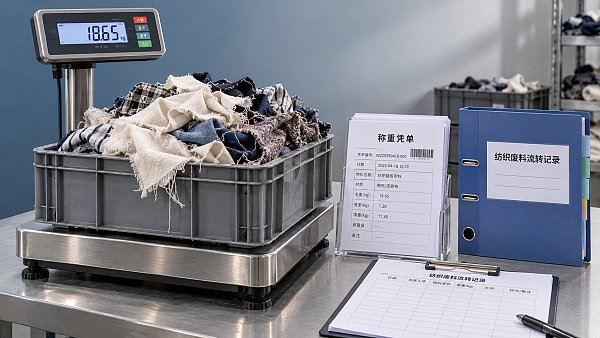
- EU Textile Waste Reporting: Who Must Report and What Data Is Required?EU textile waste reporting explained: discover who must report, what data is required, and how to verify EPR, waste records, and shipment compliance across EU markets.
- Yarn Strength Benchmarks for Weaving: Setting Warp and Weft RequirementsSet yarn strength benchmarks for weaving with practical warp and weft criteria. Learn how tenacity, variability, and loom loads inform specifications that help reduce breaks and improve reliability.
Are biodegradable polymers Always the Greener Choice?


As sustainability targets tighten across manufacturing, packaging, textiles, food processing, and advanced materials, biodegradable polymers are often positioned as a straightforward path to lower environmental impact.
Yet the greener choice depends on more than material origin or end-of-life claims.
Performance requirements, composting infrastructure, lifecycle emissions, regulatory compliance, and supply-chain reliability all shape the real business case.
This article examines when biodegradable polymers deliver measurable value, and when conventional or recyclable alternatives may offer a more strategic solution.
Understanding Biodegradable Polymers in Industrial Context

Biodegradable polymers are materials designed to break down through biological activity under defined environmental conditions.
They may be bio-based, fossil-based, or produced from hybrid feedstocks.
Common examples include PLA, PHA, PBS, PBAT, starch blends, and selected cellulose-derived materials.
The term does not automatically mean rapid degradation in soil, seawater, landfills, or open environments.
Most biodegradable polymers require specific temperature, humidity, oxygen, microbial activity, and residence time to perform as claimed.
Industrial compostability is especially different from home compostability.
A product certified for industrial composting may not degrade effectively in backyard compost or unmanaged waste streams.
This distinction matters across packaging, apparel accessories, agricultural films, food-service items, and specialized disposable components.
In technical procurement, biodegradable polymers should be evaluated as engineered materials, not symbolic sustainability shortcuts.
Current Industry Signals Driving Material Decisions
Several market signals explain why biodegradable polymers remain highly relevant across integrated industrial value chains.
Policy pressure is increasing around single-use plastics, microplastic pollution, extended producer responsibility, and packaging waste reduction.
Brand owners also face stronger environmental reporting expectations from retailers, regulators, investors, and downstream customers.
However, these signals do not create a universal answer.
In some markets, composting capacity is limited, contamination controls are weak, or labeling rules are inconsistent.
Under those conditions, biodegradable polymers may enter landfill or conventional recycling streams.
That outcome can reduce environmental benefit and create operational risk.
For globally traded products, regional infrastructure variation is one of the largest decision variables.
Lifecycle Performance Beyond the Material Label
The environmental profile of biodegradable polymers begins before disposal.
Feedstock cultivation, fermentation, polymerization, compounding, transport, processing energy, and additives all influence total impact.
A bio-based polymer may reduce fossil carbon use, yet require agricultural land, water, fertilizer, or energy-intensive conversion.
A fossil-based biodegradable resin may still offer value if it supports organic-waste recovery.
Lifecycle assessment is therefore essential for credible comparison.
The analysis should include greenhouse gas emissions, eutrophication, water use, toxicity, land impact, and end-of-life probability.
Mechanical performance also changes the calculation.
If biodegradable polymers require thicker gauges, added barriers, or multilayer structures, material use may increase.
If they reduce food spoilage, enable compost collection, or remove persistent residues, the broader benefit may be significant.
The right assessment boundary is application-specific, not material-specific.
Relevant Standards and Verification
Claims around biodegradable polymers should be linked to recognized test methods and certification schemes.
Frequently referenced standards include ASTM D6400, ASTM D6868, EN 13432, ISO 17088, and selected OECD biodegradation methods.
Marine, soil, home compost, and industrial compost claims require different evidence.
Vague phrases such as “eco-friendly,” “green,” or “naturally degradable” are insufficient for technical purchasing decisions.
Documentation should specify test conditions, disintegration thresholds, ecotoxicity results, and certification validity.
Where Biodegradable Polymers Create Clear Business Value
Biodegradable polymers are most valuable when their end-of-life route matches the product’s real disposal environment.
They are especially relevant where plastic items are mixed with organic residues and difficult to recycle mechanically.
Food-contact packaging is a typical example.
Compostable trays, bags, films, and coated papers can support organic-waste diversion when local facilities accept them.
Agriculture is another important field.
Soil-biodegradable mulch films may reduce collection labor and persistent plastic residues, if verified for local soil conditions.
In textiles, biodegradable polymers can support nonwovens, temporary protective apparel, and certain trims.
Yet washing durability, dye compatibility, fiber shedding, and compostability must be validated.
In industrial food processing, biodegradable polymers may serve as liners, disposable handling aids, or contamination-sensitive packaging components.
The strongest cases usually connect material selection with operational waste segregation.
When Conventional or Recyclable Materials May Be Greener
Biodegradable polymers are not always the lower-impact option.
For durable components, long-life packaging, or high-performance industrial parts, recyclability may offer stronger environmental value.
Reusable systems can also outperform single-use compostable formats when reverse logistics are practical.
In high-barrier packaging, multilayer biodegradable polymers may complicate recovery and increase cost.
If composting is unavailable, these products may not deliver their intended benefit.
Recycled PET, HDPE, PP, paper-based systems, aluminum, glass, or mono-material flexible packaging can be better in some markets.
The choice depends on actual recovery rates, energy mix, product protection, logistics weight, and contamination risk.
A poor substitution can increase breakage, spoilage, water use, or transport emissions.
For this reason, biodegradable polymers should be compared against the best available system alternative.
The greener option is often a system design, not a single resin decision.
Practical Evaluation Framework for Enterprise Use
A structured framework helps separate credible biodegradable polymers from weak environmental claims.
The following criteria support practical comparison across packaging, textiles, processing aids, and specialty materials.
- Define the application life, including temperature, moisture, load, abrasion, and chemical exposure.
- Confirm whether biodegradable polymers meet safety, hygiene, barrier, and mechanical specifications.
- Identify the most probable end-of-life route in each target market.
- Verify certification scope, including industrial compost, home compost, soil, or marine conditions.
- Compare lifecycle impacts against recyclable, reusable, and lightweight conventional alternatives.
- Check compatibility with labeling laws, EPR fees, and green-claim regulations.
- Assess supply security, resin price volatility, conversion availability, and quality consistency.
This framework also reduces reputational risk.
Unverified biodegradable polymers can expose products to greenwashing scrutiny, import delays, or retailer rejection.
A defensible selection process should be documented before public sustainability claims are made.
Technical Data That Should Be Requested
Material approval should rely on measurable data rather than general sustainability language.
Useful documents include technical datasheets, safety data sheets, migration reports, compostability certificates, and lifecycle summaries.
For biodegradable polymers used in food contact, regulatory compliance must cover the intended geography.
For textile or industrial uses, test data should reflect real processing conditions.
Pilot trials are important because processing windows can differ from standard plastics.
Sealing behavior, heat resistance, brittleness, odor, shelf life, and moisture sensitivity may affect implementation.
Supply-Chain and Commercial Considerations
Even when biodegradable polymers perform well technically, commercial feasibility must be tested.
Supply capacity, regional availability, converter expertise, and resin qualification timelines can shape adoption speed.
Cost comparisons should consider more than resin price per kilogram.
Gauge changes, scrap rates, machine speed, storage requirements, certification costs, and waste-management fees matter.
Biodegradable polymers may reduce downstream handling costs in compostable systems.
They may also increase costs where infrastructure is absent or consumer sorting is unreliable.
Cross-border trade adds another layer.
A claim accepted in one jurisdiction may require different labeling, testing, or substantiation elsewhere.
Strategic sourcing should therefore align material science, regulatory intelligence, and market-specific disposal realities.
Implementation Path for Better Decisions
A practical implementation path begins with application mapping.
Classify products by service life, contamination level, recovery route, regulatory exposure, and sustainability priority.
Next, shortlist biodegradable polymers only where they address a defined environmental or operational problem.
Then compare them with recyclable, reusable, and reduced-material designs.
Small-scale trials should test processing stability, user performance, and disposal compatibility.
After validation, environmental claims should be matched to certification language and local waste instructions.
This reduces ambiguity for downstream users and strengthens compliance.
- Map the application and disposal pathway.
- Screen technical performance and regulatory requirements.
- Compare lifecycle impacts with credible alternatives.
- Run production and end-of-life pilot trials.
- Document claims, labels, certificates, and supplier commitments.
Biodegradable polymers can be an important part of a lower-impact materials portfolio.
They are not, however, automatically greener in every product category or market.
The strongest decisions combine verified standards, lifecycle evidence, infrastructure awareness, and commercial resilience.
G-MCE supports this type of decision-making through multidisciplinary benchmarking, regulatory perspective, and cross-sector materials intelligence.
For teams evaluating biodegradable polymers, the next step is clear: define the use case, verify the claim, and compare the full system.
Recommended for You
 Digital SeaWhen Is a Straddle Monorail System a Good Fit for Urban Transit Corridors?Is a straddle monorail system right for your urban corridor? Explore capacity, space, station access, safety, and lifecycle costs to make a confident transit investment.By: Captain Kenji SatoOct 19, 2026
 Fabric LogicEU Textile Waste Reporting: Who Must Report and What Data Is Required?EU textile waste reporting explained: discover who must report, what data is required, and how to verify EPR, waste records, and shipment compliance across EU markets.By: Chloe DuboisOct 18, 2026
 Fabric LogicYarn Strength Benchmarks for Weaving: Setting Warp and Weft RequirementsSet yarn strength benchmarks for weaving with practical warp and weft criteria. Learn how tenacity, variability, and loom loads inform specifications that help reduce breaks and improve reliability.By: Chloe DuboisOct 17, 2026
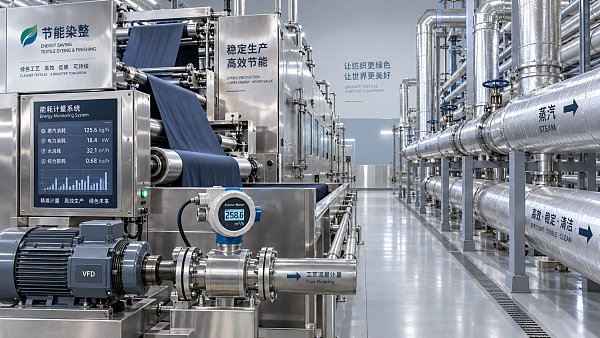
 Fabric LogicEnergy-Saving Textile Machinery: How to Calculate Payback for Your MillEvaluate energy saving textile machinery with a practical payback formula, real-world cost factors, and a worked example. Discover how to verify savings and invest confidently in your mill.By: Chloe DuboisOct 16, 2026
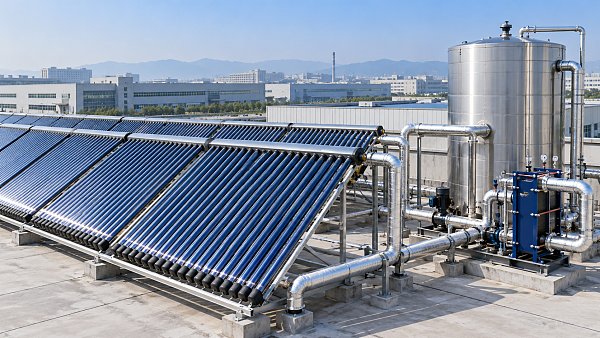
 Digital SeaETSC Adoption in Europe: Policy Drivers, Costs, and Implementation BarriersExplore ETSC adoption Europe-wide: uncover policy drivers, installed costs, and implementation barriers to evaluate solar thermal investments and identify projects with stronger returns.By: Captain Kenji SatoOct 15, 2026
 Digital SeaChoosing Semiconductor Solutions for Industrial Controls: Key Design CriteriaChoose semiconductor solutions for industrial controls with confidence. Explore key criteria for timing, accuracy, power, safety, and lifecycle support to make smarter design decisions.By: Captain Kenji SatoOct 14, 2026
 Aseptic FillingWhen Should Compliance Checks Start for Aseptic Filling Procurement?How early should compliance checks start in procurement planning? Learn why aseptic filling reviews should begin before supplier shortlisting to reduce risks, rework, and costly delays.By: Marcus SterlingOct 13, 2026
 Smart MetersHow Do You Assess Market Demand Before Sourcing New Smart Meters?How do I assess market demand before sourcing a new industrial product? Discover how to validate smart meter demand, check technical fit, and reduce inventory risk before committing to bulk orders.By: Dr. Elena VoltOct 13, 2026
 GIS SwitchgearWhat Should You Compare Besides Price When Selecting GIS Switchgear?What should I compare besides price when selecting an industrial product? Explore GIS switchgear ratings, IEC compliance, maintenance and lifecycle costs to make a confident procurement decision.By: Dr. Elena VoltOct 13, 2026
 Optical SensorsHow Do You Choose Optical Sensors for Harsh Industrial Environments?How do I choose components for harsh industrial environments? Discover how to select optical sensors for dust, heat, vibration, and washdown—and prevent costly missed detections.By: Dr. Hideo TanakaOct 13, 2026
 Marine WinchesWhich Operating Conditions Can Change Marine Winch Selection?Which industrial application conditions can change product selection? Explore how loads, sea state, duty cycle and power shape marine winch selection to make a smarter investment.By: Captain Kenji SatoOct 13, 2026
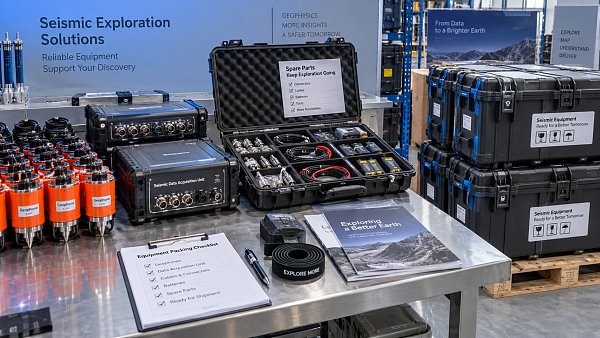
 Digital SeaChoosing a Seismic Survey Equipment Distributor: Lead Times and Spare PartsChoosing a seismic survey equipment distributor? Learn how to verify lead times, secure critical spare parts, and compare support to reduce downtime and buy with confidence.By: Captain Kenji SatoOct 13, 2026
 Digital SeaHow to Use Industrial Benchmarking Data to Evaluate Supplier Risk and CapabilityIndustrial benchmarking data for supplier evaluation helps buyers assess capability, compliance, capacity, and delivery risk. Learn how to make smarter, evidence-based sourcing decisions.By: Captain Kenji SatoOct 12, 2026
 Fabric LogicFashion Supply Chain Cost Trends: What Is Driving Margins in 2026?Fashion supply chain cost trends for 2026: discover how materials, freight, labor, compliance, and inventory are reshaping margins—and the strategies leaders need to protect profitability.By: Chloe DuboisOct 11, 2026
 Lumen VisionHow Smart Street Lighting Cuts Energy Use Without Compromising Road SafetySmart street lighting reduces energy use while protecting road safety through adaptive controls, reliable monitoring, and risk-based lighting design. Learn the key strategies.By: Dr. Hideo TanakaOct 10, 2026
 Digital SeaDouble Platinum Spark Plugs: When Their Longer Service Life Justifies the CostDouble platinum spark plugs offer longer service life, stable gaps, and lower labor costs. Learn when their premium price is worth it for your vehicle.By: Captain Kenji SatoOct 08, 2026
 Sorting RobotsHow to Benchmark Linear Guide Load Ratings for High-Cycle Automation AxesLinear guide load rating benchmarks for high-cycle automation axes: compare loads, moments, stiffness, lubrication, and life calculations to select reliable guides.By: Marcus SterlingOct 07, 2026
 Digital SeaWhich Rail Data Transparency Metrics Improve Capacity Planning and Service Reliability?Rail data transparency metrics reveal usable capacity, dwell, recovery, and asset risks—helping rail leaders plan more reliable, resilient services.By: Captain Kenji SatoOct 06, 2026
 Digital SeaHow to Select a Marine Piston Air Compressor for High-Demand Shipboard ServiceMarine piston air compressor selection guide for high-demand shipboard service—compare capacity, redundancy, air quality, maintenance, and compliance requirements.By: Captain Kenji SatoOct 05, 2026
 Grid ResilienceIEC 61850 Monitoring Latency: How to Set Performance Limits for Protection SystemsIEC 61850 monitoring latency explained: learn how to set, test, and verify end-to-end performance limits that protect critical GOOSE and Sampled Values systems.By: Dr. Elena VoltOct 04, 2026
 Digital SeaHow to Select Bulldozers by Blade Type, Ground Conditions, and Earthmoving OutputBulldozers selection made practical: compare blade types, track setups, ground conditions, and cycle output to choose the right dozer for lower costs and reliable earthmoving.By: Captain Kenji SatoOct 03, 2026
 Dyeing MachinesHow Sustainable Dyeing Cuts Water Use and Chemical Risk in Textile ProductionSustainable dyeing cuts water use and chemical risk through smarter liquor control, efficient rinsing, safer inputs, and repeatable textile quality.By: Chloe DuboisOct 02, 2026
 Optical SensorsSingle-Mode Fiber Loss in Railway Networks: Causes, Budgets, and Test MethodsSingle mode railway fiber loss explained: identify causes, calculate realistic loss budgets, and apply OTDR and insertion-loss tests for reliable rail networks.By: Dr. Hideo TanakaOct 01, 2026
 Digital SeaIntegrated Transit Hub Planning: How to Balance Passenger Flow and Future CapacityIntegrated transit hub planning strategies for balancing passenger flow, resilient operations, phased delivery, and future capacity—explore practical insights for smarter hubs.By: Captain Kenji SatoSep 30, 2026
 Digital SeaWhat to Evaluate When Selecting a MaaS Ticketing Platform for Multimodal NetworksMaaS ticketing platform selection guide: evaluate interoperability, fare control, settlement, resilience, privacy, and scalability for multimodal networks.By: Captain Kenji SatoSep 29, 2026
 Digital SeaWhat Does Train Control Center Software Cost? Budgeting for Integration and SupportTrain control center software cost explained: compare integration, cybersecurity, commissioning, and long-term support to build a realistic rail operations budget.By: Captain Kenji SatoSep 28, 2026
 Digital SeaWhat to Evaluate in Thermite Rail Welding Equipment for Field Track RepairsThermite rail welding equipment: evaluate compatibility, preheating, alignment, safety, and supplier support for reliable field track repairs.By: Captain Kenji SatoSep 27, 2026
 Aseptic FillingISO 22000 Food Safety Certification: What Food Manufacturers Must PrepareISO 22000 food safety certification: discover the essential steps manufacturers need to build a robust FSMS, control hazards, and prepare confidently for audit success.By: Marcus SterlingSep 26, 2026
 UHV TransformersWhat Makes an Electrification Factory Ready for High-Voltage Equipment Production?Electrification factory readiness for high-voltage equipment: discover the essential standards, testing, traceability, safety, and workforce controls that drive reliable production.By: Dr. Elena VoltSep 25, 2026
 Digital SeaRail Signal Visibility: Sighting Distance, Contrast, and Verification RequirementsRail signal visibility: learn how sighting distance, contrast, weather, and verification controls help ensure safe, compliant signal recognition.By: Captain Kenji SatoSep 24, 2026
![]() GIS SwitchgearHow Do You Compare GIS Switchgear Suppliers When Certifications Differ?How do I compare industrial suppliers when certifications are not equivalent? Learn how to assess GIS switchgear test evidence, compliance scope, traceability, and project risk.By: Dr. Elena VoltSep 24, 2026
GIS SwitchgearHow Do You Compare GIS Switchgear Suppliers When Certifications Differ?How do I compare industrial suppliers when certifications are not equivalent? Learn how to assess GIS switchgear test evidence, compliance scope, traceability, and project risk.By: Dr. Elena VoltSep 24, 2026