BDI: 1,842 ▼ 1.2%
COTTON NO.2: 84.12 ▲ 0.4%
LME COPPER: 8,432.50 ▲ 2.1%
FOOD SAFETY INDEX: 94.2 ARCHIVE_SECURED
OPTICAL INDEX: 11,204.09 STABLE
BDI: 1,842 ▼ 1.2%

SECTOR INDEX
V.24.08 ARCHIVE
Hot Articles
- How Does a Ballast Cleaner Screening System Separate Track Ballast?Discover how a ballast cleaner screening system separates reusable stone from fines, what affects performance, and how to assess the results.
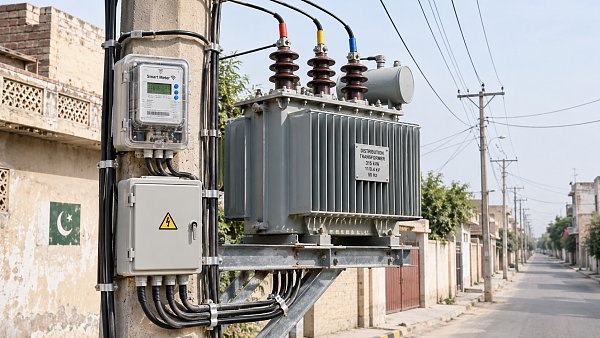
- Pakistan to Seek World Bank and ADB Funding for Smart MetersPakistan seeks World Bank and ADB funding for smart meters on distribution transformers. Explore the plan to tackle power theft and improve grid efficiency.
- What Is Precision Medicine and How Does It Guide Treatment?Discover how precision medicine uses biomarkers and genetic insights to guide treatment, where it can help, and what to ask before testing.
U.S. Opens Third Sunset Review on Chinese Seamless Pipe Exports


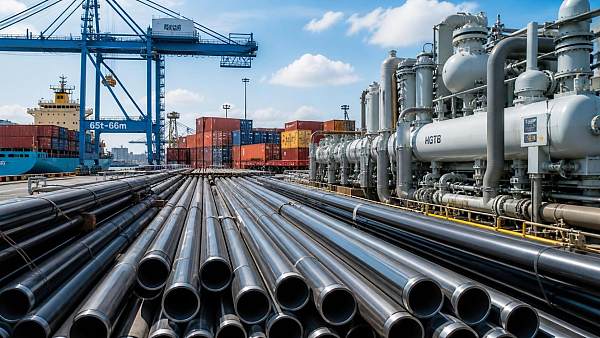
On August 3, 2026, the U.S. Department of Commerce announced a third anti-dumping and countervailing duty sunset review covering seamless carbon and alloy steel standard pipe, line pipe, and pressure pipe from China. For companies linked to UHV transformer cooling systems, GIS switchgear gas-insulated piping, and marine engineering support structures, this is not just a trade procedure update; it is a rule-related development that may affect compliance review, cost calculation, procurement decisions, and delivery planning across export and local integration activities.
What has formally entered review
The confirmed development is that the U.S. Department of Commerce initiated a third sunset review on August 3, 2026, involving anti-dumping and countervailing duty measures on seamless carbon and alloy steel standard pipe, line pipe, and pressure pipe from China.
The products concerned are widely used in UHV transformer cooling systems, GIS switchgear gas-insulated piping, and marine engineering support structures. Based on the provided event summary, the outcome of the review will directly affect compliance certification, cost accounting, and delivery schedules for exporters of related high-end equipment. The same summary also indicates supply chain risk for overseas distributors that need to import these pipes for local assembly or system integration.
Where pressure may emerge along the supply chain
Equipment exporters tied to pipe-dependent assemblies
From an industry perspective, exporters of UHV transformer and GIS switchgear supporting systems may be affected because the reviewed pipe categories are used in key supporting sections of those products. The immediate pressure points are likely to appear in export costing, delivery commitments, and compliance documentation linked to pipe sourcing. What deserves closer attention is whether internal product files, technical specifications, and supply declarations are aligned with the pipe categories involved in the review.
Procurement and manufacturing teams managing material inputs
For procurement and manufacturing functions, the issue is not only material availability but also the commercial and compliance treatment of the input itself. Analysis shows that any business relying on these pipe products for fabrication, subsystem assembly, or project-based delivery may need to pay closer attention to purchasing plans, supplier qualification review, and document consistency across contracts, technical files, and shipment preparation.
Overseas distributors and local integrators
The event summary specifically points to overseas distributors that import this pipe for local assembly or system integration. For these businesses, the main exposure lies in supply continuity and project execution timing. Observably, they may need to watch for changes affecting import planning, local stock arrangements, and the documentation used to support downstream integration, especially where customer acceptance or project schedules depend on stable component sourcing.
Compliance, certification, and service support functions
Companies involved in compliance review, certification support, inspection coordination, or after-sales traceability may also face practical adjustments. The relevance here comes from the stated impact on compliance certification and delivery timing. As a result, teams handling technical records, material traceability, inspection reports, or customer-facing compliance submissions should monitor whether any review-related developments change how supporting documents are examined in ongoing export or integration workflows.
What companies should watch now
Check whether product files clearly map pipe usage
Analysis shows that businesses should first identify where seamless carbon or alloy steel standard pipe, line pipe, or pressure pipe is used in their delivered systems. This matters most for products whose commercial offering includes cooling circuits, gas-insulated pipe connections, or structural support sections. A clear mapping between component use and technical documentation will be important if customers, distributors, or internal compliance teams request clarification.
Prepare for closer review of compliance and certification materials
It is more appropriate to understand this stage as a point for document readiness rather than a confirmed final outcome. Companies should therefore pay attention to certificates, inspection records, technical descriptions, and bid or contract materials that reference the relevant pipe inputs. Where export projects depend on formal approvals or customer-side compliance review, incomplete or inconsistent files could create avoidable delay.
Reassess costing and delivery assumptions in active projects
The provided facts already indicate possible effects on cost accounting and lead time. Observably, businesses with open quotations, framework supply commitments, or scheduled integration work should review whether current assumptions on sourcing, pricing, and delivery remain workable under a period of trade-rule uncertainty. This is particularly relevant where imported pipe is needed before local assembly or system completion.
Follow later wording and execution signals carefully
Because the input does not provide final review results or detailed implementation language, companies should avoid treating this development as a settled end state. What deserves closer attention is subsequent official wording, downstream customer requirements, and any changes in tender files, compliance interpretations, or procurement screening practices that may emerge as the review progresses.
Why this matters beyond a routine trade notice
Analysis shows that the significance of this development lies in its position between trade remedy procedure and industrial execution risk. The reviewed products are not described here as stand-alone commodities only; they are also inputs embedded in higher-end equipment and project delivery chains. That makes the issue relevant not just to direct pipe exporters, but to equipment makers, integrators, distributors, and compliance teams whose products depend on those inputs.
At the current stage, it is more appropriate to understand this as a live regulatory and trade signal rather than a fully settled market outcome. The industry therefore has reason to keep watching how compliance expectations, sourcing behavior, and delivery planning respond, especially in export-linked projects where material traceability and schedule reliability are commercially sensitive.
How the market should read the current stage
A measured reading is that this event introduces a meaningful point of attention for companies exposed to these pipe categories, but it does not by itself confirm the final commercial or regulatory result. The most practical implication today is the need for closer review of procurement dependencies, compliance files, and delivery assumptions in businesses tied to UHV transformer and GIS switchgear support systems. In that sense, the development is best understood as an active rule-related process with clear operational relevance and a need for continued observation.
Basis of this article and what still needs verification
This article is based on the user-provided news title, event date, and event summary. For this type of development, relevant source categories typically include official announcements, releases from regulatory authorities, customs or trade administration information, industry association updates, standards-related documents, and reporting by authoritative trade media. A specific official source link was not provided in the input, so that element still requires follow-up verification.
Further observation is still needed on later policy wording, compliance interpretation, tender document changes, market feedback, and how affected companies adjust sourcing, certification, and delivery execution in response to the review process.
Recommended for You
 Digital SeaHow Does a Ballast Cleaner Screening System Separate Track Ballast?Discover how a ballast cleaner screening system separates reusable stone from fines, what affects performance, and how to assess the results.By: Captain Kenji SatoNov 14, 2026
 Smart MetersPakistan to Seek World Bank and ADB Funding for Smart MetersPakistan seeks World Bank and ADB funding for smart meters on distribution transformers. Explore the plan to tackle power theft and improve grid efficiency.By: Dr. Elena VoltNov 13, 2026
 Digital SeaWhat Is Precision Medicine and How Does It Guide Treatment?Discover how precision medicine uses biomarkers and genetic insights to guide treatment, where it can help, and what to ask before testing.By: Captain Kenji SatoNov 13, 2026
 Grid Resilience2026 CSEE Annual Meeting Opens with Focus on AI and Power SystemsThe 2026 CSEE Annual Meeting explores AI, low-carbon power systems and ultra-high-voltage transmission. Discover why these discussions matter.By: Dr. Elena VoltNov 12, 2026
 Digital SeaShip Radar Detection Range: How Far Can It See and What Limits It?Ship radar detection range depends on more than the display scale. Discover how antenna height, weather, target size, and settings affect what radar can see.By: Captain Kenji SatoNov 12, 2026
 UHV TransformersGE Vernova to Invest $34.5 Million in Louisiana Transformer Plant ExpansionGE Vernova plans a $34.5 million transformer plant expansion in Louisiana. Explore its potential impact on North American supply and procurement.By: Dr. Elena VoltNov 11, 2026
 Digital SeaMetro Station Noise Criteria: Limits and Measurement MethodsExplore metro station noise criteria, applicable limits and measurement methods. Learn how to select metrics and assess compliance with confidence.By: Captain Kenji SatoNov 11, 2026
 Digital SeaKongsberg Maritime Unveils Arctic Hunter Unmanned Surface VesselKongsberg Maritime's Arctic Hunter unmanned surface vessel is proposed for the Royal Navy's Type 92 programme. Explore its technology and procurement implications.By: Captain Kenji SatoNov 10, 2026
 Sorting RobotsHow Accurate Is AI in Food Quality Control? Metrics and Testing MethodsExplore AI in food quality control accuracy, from recall and false negatives to validation methods. Learn how to assess real-world inspection reliability.By: Marcus SterlingNov 10, 2026
 UHV TransformersGE Vernova Selected for 6 GW HVDC Link in IndiaGE Vernova will design a 6 GW HVDC link for PGCIL, connecting Rajasthan and South Kalamb to support India's clean energy transition. Discover the project.By: Dr. Elena VoltNov 09, 2026
 Grid ResilienceEurope's Grid Compliance Standards in 2026: Generator Connection RequirementsExplore new grid compliance standards 2026 Europe projects must address, from generator connection rules to testing and documentation. Prepare for approval.By: Dr. Elena VoltNov 09, 2026
 Technical FabricsNonwoven Bonding Cost Data: Comparing Thermal and Chemical ProcessesExplore nonwoven bonding cost data to compare thermal and chemical processes, assess usable yield, and choose the best-value option for your application.By: Chloe DuboisNov 08, 2026
 Fiber LasersIndustrial Lasers to 2035: Automotive Lightweighting and Precision Welding Drive DemandExplore the industrial laser market outlook to 2035 and discover how automotive lightweighting and precision welding could shape demand and procurement.By: Dr. Hideo TanakaNov 07, 2026
 Technical FabricsChoosing Geotextile Under Railway Ballast: Key Performance RequirementsChoosing geotextile under railway ballast? Explore essential filtration, drainage, strength and durability criteria to make a confident, project-specific selection.By: Chloe DuboisNov 07, 2026
 Digital SeaChoosing Rail Welding Equipment for Maintenance: Field Conditions and Weld TypesChoose rail welding equipment for maintenance with confidence. Compare welding methods, field constraints, inspection needs, and lifecycle costs.By: Captain Kenji SatoNov 06, 2026
 Digital SeaIndia Broadband Forum Urges Stronger Submarine Cable ResilienceIndia’s submarine cable resilience is in focus as the Broadband India Forum urges faster repairs, more vessels and stronger landing infrastructure.By: Captain Kenji SatoNov 06, 2026
 Digital SeaChoosing a Railway Network Switch Supplier: Reliability and Support CriteriaChoosing a railway network switch supplier? Compare reliability, standards evidence, cybersecurity, and lifecycle support to reduce project risk.By: Captain Kenji SatoNov 05, 2026
 Grid ResilienceUS Grid Equipment Import Ban Raises Cost and Implementation ConcernsThe US grid equipment import ban raises concerns over costs and delivery delays. Explore how unclear criteria could affect procurement and supply chains.By: Dr. Elena VoltNov 05, 2026
 Digital SeaRailway Coupler Price: How Type and Specifications Affect QuotesRailway coupler price depends on type, specifications, and order scope. Learn how to compare quotes, avoid hidden costs, and make a confident buying decision.By: Captain Kenji SatoNov 04, 2026
 Grid ResilienceGlobal Smart Grid Companies Raise $3 Billion in First Nine Months of 2026Global smart grid companies raised $3 billion in the first nine months of 2026. Explore the funding breakdown and potential implications for buyers and suppliers.By: Dr. Elena VoltNov 04, 2026
 Digital SeaChoosing Wholesale Pet Toys: How to Evaluate Suppliers and Minimum OrdersWholesale pet toys: learn how to assess suppliers, compare minimum orders and landed costs, and reduce inventory risk before you buy.By: Captain Kenji SatoNov 03, 2026
 Digital SeaSustainable Packaging Design: How to Choose Materials and Reduce WasteDiscover how sustainable packaging design helps reduce waste, protect products, and control costs with practical material choices and proven testing strategies.By: Captain Kenji SatoNov 02, 2026
 Technical FabricsUSMCA's First Joint Review Puts Textile Supply Chain Rules in FocusUSMCA's first joint review puts textile supply chain rules in focus. Explore potential impacts on origin compliance, sourcing and tariff treatment.By: Chloe DuboisNov 02, 2026
 Digital SeaManufacturing KPI Benchmarking: How to Compare Production PerformanceBenchmarking KPI manufacturing performance? Learn how to compare OEE, quality and downtime, identify meaningful gaps, and turn insights into practical improvements.By: Captain Kenji SatoNov 01, 2026
 Smart MetersCCI Approves Adani Energy Solutions' ₹305 Billion Acquisition of IntelliSmartCCI approves Adani Energy Solutions' ₹305 billion acquisition of IntelliSmart. Discover what the deal could mean for India's smart meter market.By: Dr. Elena VoltNov 01, 2026
 Digital SeaChoosing a Coin Laundry Machinery OEM: What Buyers Should EvaluateChoosing a coin laundry machinery OEM? Compare machine specifications, payment integration, lifecycle costs, and support to make a confident buying decision.By: Captain Kenji SatoOct 31, 2026
 Grid ResilienceUS Energy Department Announces $237 Million Grid SCALED Funding ProgramExplore the DOE's $237 million Grid SCALED funding program and its goals to strengthen grid equipment supply chains, lower electricity costs, and improve resilience.By: Dr. Elena VoltOct 31, 2026
 UHV TransformersA Decade of UHV Power in Shandong: Province Leads in Station NumbersShandong UHV power leads China in station numbers. Explore a decade of grid development and its implications for electricity supply and business planning.By: Dr. Elena VoltOct 30, 2026
 Digital SeaChoosing a Composite Train Body Panel Manufacturer: Fire Safety and Quality ChecksChoosing a composite train body panels manufacturer? Learn how to verify fire test evidence, audit production quality, and avoid costly approval gaps before you buy.By: Captain Kenji SatoOct 29, 2026
 Subsea ROV/AUVOcean Infinity Deploys Six AUVs Together Beyond 5,000 MetresOcean Infinity reportedly deployed six HUGIN AUVs beyond 5,200 metres. Explore what concurrent deepwater missions could mean for seabed surveys and procurement.By: Captain Kenji SatoOct 29, 2026
 Grid ResilienceRenewable Energy Grid Balancing: How Storage and Demand Response Work TogetherExplore renewable energy grid balancing with storage and demand response. Learn how coordinated controls manage shortfalls, absorb surplus power, and improve grid reliability.By: Dr. Elena VoltOct 28, 2026