BDI: 1,842 ▼ 1.2%
COTTON NO.2: 84.12 ▲ 0.4%
LME COPPER: 8,432.50 ▲ 2.1%
FOOD SAFETY INDEX: 94.2 ARCHIVE_SECURED
OPTICAL INDEX: 11,204.09 STABLE
BDI: 1,842 ▼ 1.2%

SECTOR INDEX
V.24.08 ARCHIVE
Hot Articles
- Metro Station Noise Criteria: Limits and Measurement MethodsExplore metro station noise criteria, applicable limits and measurement methods. Learn how to select metrics and assess compliance with confidence.
- Kongsberg Maritime Unveils Arctic Hunter Unmanned Surface VesselKongsberg Maritime's Arctic Hunter unmanned surface vessel is proposed for the Royal Navy's Type 92 programme. Explore its technology and procurement implications.
- How Accurate Is AI in Food Quality Control? Metrics and Testing MethodsExplore AI in food quality control accuracy, from recall and false negatives to validation methods. Learn how to assess real-world inspection reliability.
OEM or Private Label: Which Is Better for Your Smart Meter Product?


Private label is the better choice when an existing smart meter already meets your target market’s technical, regulatory, and system requirements. OEM development is better when winning business depends on capabilities that the existing platform cannot deliver, such as a specific communication architecture, load-control function, mechanical configuration, or utility integration. The deciding factor is not whose logo appears on the enclosure; it is how much of the product must change and who will control those changes throughout its service life.
Neither approach automatically provides lower risk. A private-label meter can become expensive if certification, software access, or network compatibility is missing. An OEM meter can justify its development cost when customization creates a commercially necessary capability, but only if the agreement covers engineering deliverables, approval responsibilities, production consistency, and long-term support.
Define the sourcing model before comparing quotations
“OEM” is an ambiguous term in electronics sourcing. One supplier may use it to describe a completely customized meter; another may mean an existing model supplied with a different logo. Private label generally means selling a supplier’s established product under your own brand, with limited changes to packaging, markings, documentation, or configuration. The categories therefore overlap unless the requested work is defined explicitly.
For a useful comparison, treat private label as adoption of an existing, validated platform and OEM as a project involving meaningful product engineering. That engineering might affect the measurement circuit, enclosure, firmware, communication module, security architecture, or interfaces. It does not automatically give the buyer ownership of the design.
Ask each supplier to identify the baseline model, every proposed modification, and the evidence that remains valid after modification. Without that information, two quotations may represent entirely different products despite similar descriptions.
Establish which requirements cannot be compromised
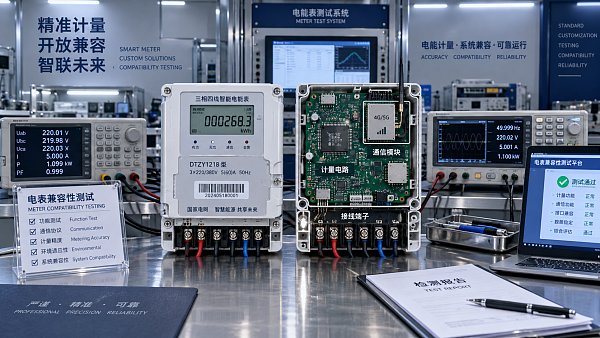
The practical starting point is a requirements specification tied to the intended installation. A revenue meter used for utility billing, a tenant submeter, and an industrial energy-monitoring device may require different approvals, interfaces, and operating capabilities. A meter suitable for monitoring is not necessarily acceptable for legally regulated billing.
The question “Which technical specifications matter most when comparing industrial products?” becomes more useful when translated into acceptance criteria. For smart meters, prioritize specifications that affect billing integrity, electrical compatibility, data access, and field operation—not the longest feature list.
Measurement performance must match the electrical application
Specify single-phase or three-phase operation, wiring arrangement, voltage range, frequency, and direct-connected or transformer-operated measurement. For transformer-operated installations, define supported current inputs, ratio configuration, and how the complete measurement chain will be assessed. Meter accuracy alone does not establish the accuracy of the installed system.
Accuracy class also needs context: active or reactive energy, current range, power factor, temperature, and relevant test conditions. Applicable parts of IEC 62052 and IEC 62053 provide requirements and test frameworks for electricity metering equipment, but a generic claim of “IEC compliant” is insufficient. Request the exact standard, edition, covered model, and supporting report or certificate.
Other requirements can change the sourcing decision immediately. These include bidirectional measurement for distributed generation, interval data, tariff schedules, event recording, and power-quality functions. If a disconnect relay is included, its electrical ratings, switching duties, and safe operating behavior require explicit assessment; a remote-disconnection checkbox does not establish suitability.
Communication compatibility requires more than a protocol name
DLMS/COSEM support does not by itself guarantee compatibility with a particular head-end system. The supported communication profile, object model, security settings, access permissions, and implementation details must align. The IEC 62056 series is relevant to meter data exchange, but the required parts and profiles depend on the deployment.
Similarly, cellular, RF mesh, PLC, and wired interfaces describe communication options, not equivalent outcomes. Check network coverage, infrastructure dependencies, antenna constraints, supported frequency bands, and responsibility for connectivity fees. A cellular module suitable for one destination may not satisfy another destination’s network or approval requirements.
Require an integration test with the intended system before committing to a rollout. It should verify reading collection, timestamps, event retrieval, configuration, and recovery after interrupted communication. Include remote commands and updates where those functions are required.
Security is a lifecycle capability
Assess device identity, credential provisioning, access control, firmware authenticity, update mechanisms, and vulnerability handling. Ask who generates and controls keys, whether credentials are unique per device, and how compromised credentials can be replaced. Encryption without manageable identities and access permissions leaves important operational risks unresolved.
A private-label platform can be a sound choice if its security functions are documented and accessible under the supply agreement. OEM customization is warranted when the required security architecture cannot be supported by the existing design—not simply because a customized meter sounds more secure.
Separate product compliance from the supplier’s certificates
Certification evidence must match the product being supplied and the market where it will be installed. A certificate for a similar meter, an earlier hardware revision, or a different communication module may not establish compliance for the ordered configuration.
For EU applications within its scope, the Measuring Instruments Directive includes active electrical energy meters under MI-003. Other destinations apply their own legal-metrology rules, utility acceptance requirements, or installation conditions. Electrical safety, electromagnetic compatibility, and radio requirements may also apply. No single international test report should be assumed to authorize sale and billing use everywhere.
Private labeling does not remove compliance responsibilities. Depending on the jurisdiction and how the product is placed on the market, selling under your own name or trademark can create manufacturer obligations. Establish who holds approvals, maintains technical documentation, signs declarations, manages markings, and handles corrective action.
Customization creates a separate question: does the change affect existing evidence? Replacing a communication module can affect radio and EMC assessment; changing the enclosure or terminals can affect safety; measurement firmware changes can affect metrological evaluation. The extent of additional assessment must be determined with the relevant conformity-assessment body or authority, rather than assumed from the supplier’s description of a change as “minor.”
A useful approval record links each sales model to its hardware revision, metrological firmware version, communication configuration, intended market, and supporting documents. This prevents an approved sample from becoming the reference for a materially different production shipment.
Compare total commitment, not just meter price
Private label limits development expenditure when the established product is genuinely suitable. Its cost advantage narrows if the buyer must add software integration, replace an unsuitable communication module, obtain missing approvals, or accept inventory that cannot be sold into the intended market.
OEM quotations need to separate non-recurring engineering, tooling, testing, certification, production units, and ongoing software services. Clarify what each payment delivers and whether changes discovered during integration are included. A low development charge has limited value if the design remains inaccessible and every subsequent modification requires a new negotiation.
Compare both options using the same scope:
- Engineering, samples, tooling, and validation.
- Market approvals and system acceptance testing.
- Minimum orders, variant inventory, and spare stock.
- Connectivity, software licenses, and integration services.
- Warranty handling, diagnostics, and replacement logistics.
- Security maintenance, firmware support, and component obsolescence.
A simple break-even calculation can help when customization changes unit economics. Divide additional fixed development cost by the expected per-unit saving, provided both options deliver equivalent required functionality. Treat the result as a sensitivity calculation, not a demand forecast. If OEM has no unit-cost advantage, its justification must come from capabilities, control, or revenue opportunities that the private-label option cannot support.
Time to market deserves the same discipline. An existing platform avoids some design work, but still requires documentation review, integration, and destination-market acceptance. An OEM schedule should distinguish design completion from validated production readiness. Tooling, test equipment, approval work, and component availability can determine the actual launch date.
Negotiate control over the product’s service life
Smart meters can remain installed beyond the initial supply contract. The sourcing decision therefore needs to address what happens when components become unavailable, the supplier changes firmware, or the communication network changes.
For private label, require revision traceability and advance notification of substitutions affecting performance, approvals, integration, or security. Define which changes need consent and what evidence must accompany them. Otherwise, a repeat order can introduce a different operating configuration under the same commercial model name.
For OEM, identify ownership and access rights separately for schematics, PCB files, tooling, firmware source code, protocol documentation, and production test software. Paying an engineering fee does not automatically transfer intellectual property. Even source-code access may have limited practical value without build instructions, dependencies, and rights to maintain the software.
Data access is equally important. Confirm that meter readings, event logs, and configuration records can be exported in usable formats, and establish whether another compatible head-end can replace the original system. Contractual access to data is not the same as technical portability.
Set support obligations around identifiable deliverables: maintenance periods, vulnerability notifications, update procedures, failure analysis, and end-of-life notice. Where continuity is critical, evaluate an agreed transition arrangement or source-code escrow with defined release conditions. Such provisions help only when the released materials are sufficient to maintain the product.
Choose according to the gap between the platform and the application
Private label is the stronger option when a supplier can demonstrate that an existing configuration satisfies the required measurement performance, market approvals, integration, and security controls. It also fits a strategy in which differentiation comes from installation support, software integration, service, or distribution rather than proprietary meter hardware.
OEM is the stronger option when a documented requirement cannot be met through supported configuration. Examples include a necessary utility-specific interface, an unusual mechanical installation, or control behavior that requires hardware or firmware redesign. The business case should explain why that capability matters and why adapting the surrounding system would not be a better solution.
A staged approach can reduce commitment: validate an established platform, test the required integration, and customize only the gaps that prevent acceptance. Keep each stage subject to clear approval and production criteria; a functioning prototype is not proof of a reproducible, approved product.
Before placing the production order, require evidence for the exact configuration: performance documentation, approval coverage, integration results, security procedures, and an agreed support plan. Choose private label when the validated platform already does the job. Choose OEM when essential requirements justify engineering changes—and the contract gives you enough control to sustain those changes after shipment.
Recommended for You
 Digital SeaMetro Station Noise Criteria: Limits and Measurement MethodsExplore metro station noise criteria, applicable limits and measurement methods. Learn how to select metrics and assess compliance with confidence.By: Captain Kenji SatoNov 11, 2026
 Digital SeaKongsberg Maritime Unveils Arctic Hunter Unmanned Surface VesselKongsberg Maritime's Arctic Hunter unmanned surface vessel is proposed for the Royal Navy's Type 92 programme. Explore its technology and procurement implications.By: Captain Kenji SatoNov 10, 2026
 Sorting RobotsHow Accurate Is AI in Food Quality Control? Metrics and Testing MethodsExplore AI in food quality control accuracy, from recall and false negatives to validation methods. Learn how to assess real-world inspection reliability.By: Marcus SterlingNov 10, 2026
 UHV TransformersGE Vernova Selected for 6 GW HVDC Link in IndiaGE Vernova will design a 6 GW HVDC link for PGCIL, connecting Rajasthan and South Kalamb to support India's clean energy transition. Discover the project.By: Dr. Elena VoltNov 09, 2026
 Grid ResilienceEurope's Grid Compliance Standards in 2026: Generator Connection RequirementsExplore new grid compliance standards 2026 Europe projects must address, from generator connection rules to testing and documentation. Prepare for approval.By: Dr. Elena VoltNov 09, 2026
 Technical FabricsNonwoven Bonding Cost Data: Comparing Thermal and Chemical ProcessesExplore nonwoven bonding cost data to compare thermal and chemical processes, assess usable yield, and choose the best-value option for your application.By: Chloe DuboisNov 08, 2026
 Fiber LasersIndustrial Lasers to 2035: Automotive Lightweighting and Precision Welding Drive DemandExplore the industrial laser market outlook to 2035 and discover how automotive lightweighting and precision welding could shape demand and procurement.By: Dr. Hideo TanakaNov 07, 2026
 Technical FabricsChoosing Geotextile Under Railway Ballast: Key Performance RequirementsChoosing geotextile under railway ballast? Explore essential filtration, drainage, strength and durability criteria to make a confident, project-specific selection.By: Chloe DuboisNov 07, 2026
 Digital SeaChoosing Rail Welding Equipment for Maintenance: Field Conditions and Weld TypesChoose rail welding equipment for maintenance with confidence. Compare welding methods, field constraints, inspection needs, and lifecycle costs.By: Captain Kenji SatoNov 06, 2026
 Digital SeaIndia Broadband Forum Urges Stronger Submarine Cable ResilienceIndia’s submarine cable resilience is in focus as the Broadband India Forum urges faster repairs, more vessels and stronger landing infrastructure.By: Captain Kenji SatoNov 06, 2026
 Digital SeaChoosing a Railway Network Switch Supplier: Reliability and Support CriteriaChoosing a railway network switch supplier? Compare reliability, standards evidence, cybersecurity, and lifecycle support to reduce project risk.By: Captain Kenji SatoNov 05, 2026
 Grid ResilienceUS Grid Equipment Import Ban Raises Cost and Implementation ConcernsThe US grid equipment import ban raises concerns over costs and delivery delays. Explore how unclear criteria could affect procurement and supply chains.By: Dr. Elena VoltNov 05, 2026
 Digital SeaRailway Coupler Price: How Type and Specifications Affect QuotesRailway coupler price depends on type, specifications, and order scope. Learn how to compare quotes, avoid hidden costs, and make a confident buying decision.By: Captain Kenji SatoNov 04, 2026
 Grid ResilienceGlobal Smart Grid Companies Raise $3 Billion in First Nine Months of 2026Global smart grid companies raised $3 billion in the first nine months of 2026. Explore the funding breakdown and potential implications for buyers and suppliers.By: Dr. Elena VoltNov 04, 2026
 Digital SeaChoosing Wholesale Pet Toys: How to Evaluate Suppliers and Minimum OrdersWholesale pet toys: learn how to assess suppliers, compare minimum orders and landed costs, and reduce inventory risk before you buy.By: Captain Kenji SatoNov 03, 2026
 Digital SeaSustainable Packaging Design: How to Choose Materials and Reduce WasteDiscover how sustainable packaging design helps reduce waste, protect products, and control costs with practical material choices and proven testing strategies.By: Captain Kenji SatoNov 02, 2026
 Technical FabricsUSMCA's First Joint Review Puts Textile Supply Chain Rules in FocusUSMCA's first joint review puts textile supply chain rules in focus. Explore potential impacts on origin compliance, sourcing and tariff treatment.By: Chloe DuboisNov 02, 2026
 Digital SeaManufacturing KPI Benchmarking: How to Compare Production PerformanceBenchmarking KPI manufacturing performance? Learn how to compare OEE, quality and downtime, identify meaningful gaps, and turn insights into practical improvements.By: Captain Kenji SatoNov 01, 2026
 Smart MetersCCI Approves Adani Energy Solutions' ₹305 Billion Acquisition of IntelliSmartCCI approves Adani Energy Solutions' ₹305 billion acquisition of IntelliSmart. Discover what the deal could mean for India's smart meter market.By: Dr. Elena VoltNov 01, 2026
 Digital SeaChoosing a Coin Laundry Machinery OEM: What Buyers Should EvaluateChoosing a coin laundry machinery OEM? Compare machine specifications, payment integration, lifecycle costs, and support to make a confident buying decision.By: Captain Kenji SatoOct 31, 2026
 Grid ResilienceUS Energy Department Announces $237 Million Grid SCALED Funding ProgramExplore the DOE's $237 million Grid SCALED funding program and its goals to strengthen grid equipment supply chains, lower electricity costs, and improve resilience.By: Dr. Elena VoltOct 31, 2026
 UHV TransformersA Decade of UHV Power in Shandong: Province Leads in Station NumbersShandong UHV power leads China in station numbers. Explore a decade of grid development and its implications for electricity supply and business planning.By: Dr. Elena VoltOct 30, 2026
 Digital SeaChoosing a Composite Train Body Panel Manufacturer: Fire Safety and Quality ChecksChoosing a composite train body panels manufacturer? Learn how to verify fire test evidence, audit production quality, and avoid costly approval gaps before you buy.By: Captain Kenji SatoOct 29, 2026
 Subsea ROV/AUVOcean Infinity Deploys Six AUVs Together Beyond 5,000 MetresOcean Infinity reportedly deployed six HUGIN AUVs beyond 5,200 metres. Explore what concurrent deepwater missions could mean for seabed surveys and procurement.By: Captain Kenji SatoOct 29, 2026
 Grid ResilienceRenewable Energy Grid Balancing: How Storage and Demand Response Work TogetherExplore renewable energy grid balancing with storage and demand response. Learn how coordinated controls manage shortfalls, absorb surplus power, and improve grid reliability.By: Dr. Elena VoltOct 28, 2026
 Subsea ROV/AUVSeaber Introduces 13 kg RAVEN AUV to Target Mine Countermeasure CostsSeaber’s 13 kg RAVEN AUV targets lower mine countermeasure costs with two mission configurations. Explore its potential value for naval operations and procurement.By: Captain Kenji SatoOct 28, 2026
 Digital SeaBallast Water Management Rules: IMO vs. USCG Compliance RequirementsBallast water management rules explained: compare IMO and USCG approvals, operating limits, and records. Get practical checks to reduce compliance risks and costly port delays.By: Captain Kenji SatoOct 27, 2026
 Subsea ROV/AUVEni Signs Main Cronos Contracts, Moving Gas Project into ExecutionEni’s Cronos gas project enters execution as major contracts are signed. Explore the Cyprus development, Egypt processing plans and key milestones toward first gas in 2028.By: Captain Kenji SatoOct 27, 2026
 Digital SeaBenefits of Refurbished Semiconductor Equipment: When Do Savings Justify the Risk?Explore the benefits of refurbished semiconductor equipment. Learn how to weigh savings against process risks, qualification costs, and support gaps before investing.By: Captain Kenji SatoOct 26, 2026
 Digital SeaSemiconductor Equipment Overhaul: Diagnosing Persistent Process DriftSemiconductor equipment overhaul leaving process drift unresolved? Discover how to pinpoint vacuum, sensor, thermal, and conditioning issues to restore stability and reduce repeat service calls.By: Captain Kenji SatoOct 26, 2026
 Digital SeaSemiconductor Equipment Refurbishment Process: Cleaning to QualificationExplore the semiconductor equipment refurbishment process, from precision cleaning to qualification. Learn how measurable testing helps verify production readiness and reduce risk.By: Captain Kenji SatoOct 26, 2026