BDI: 1,842 ▼ 1.2%
COTTON NO.2: 84.12 ▲ 0.4%
LME COPPER: 8,432.50 ▲ 2.1%
FOOD SAFETY INDEX: 94.2 ARCHIVE_SECURED
OPTICAL INDEX: 11,204.09 STABLE
BDI: 1,842 ▼ 1.2%

SECTOR INDEX
V.24.08 ARCHIVE
Hot Articles
- Kongsberg Maritime Unveils Arctic Hunter Unmanned Surface VesselKongsberg Maritime's Arctic Hunter unmanned surface vessel is proposed for the Royal Navy's Type 92 programme. Explore its technology and procurement implications.
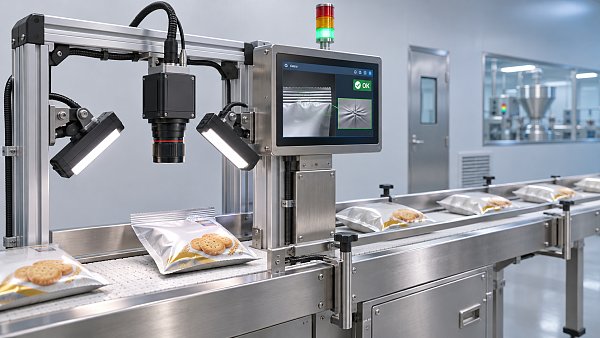
- How Accurate Is AI in Food Quality Control? Metrics and Testing MethodsExplore AI in food quality control accuracy, from recall and false negatives to validation methods. Learn how to assess real-world inspection reliability.
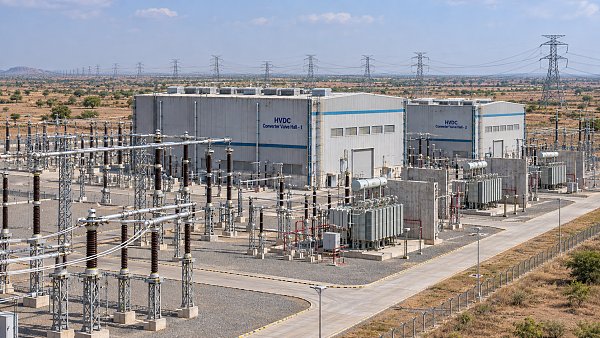
- GE Vernova Selected for 6 GW HVDC Link in IndiaGE Vernova will design a 6 GW HVDC link for PGCIL, connecting Rajasthan and South Kalamb to support India's clean energy transition. Discover the project.
Maine Bans New >20MW Data Centers Amid AI Power Concerns


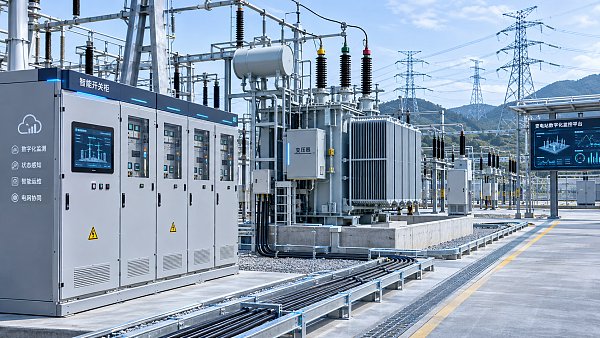
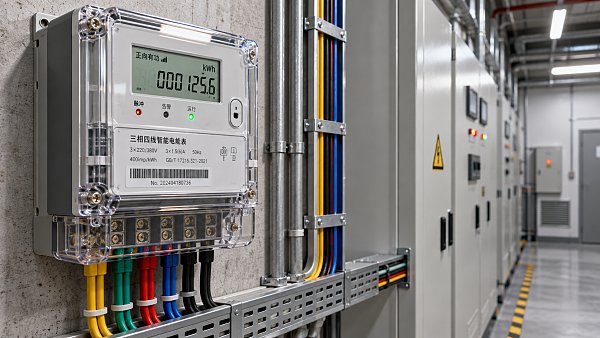
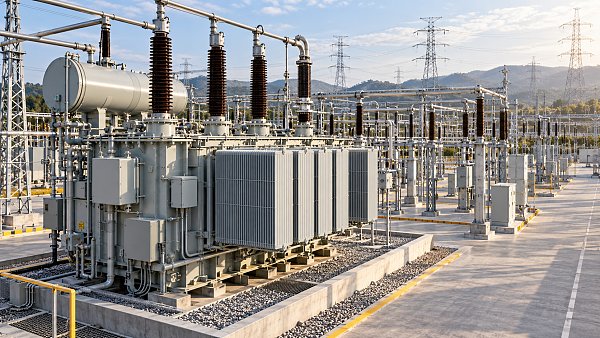
On April 14, 2026, Maine became the first U.S. state to enact a statewide moratorium on new data center projects exceeding 20 MW of power demand—effective through November 2027. This development signals growing regulatory scrutiny of AI infrastructure’s electricity consumption, grid stability impact, carbon footprint, and equity implications for residential and commercial ratepayers. Importers and integrators of high-voltage power equipment—including UHV transformers, smart meters, and grid resilience systems—are now re-evaluating supplier capabilities in low-carbon power integration, modular deployment, and compliance with IEC/IEEE standards.
Event Overview
On April 14, 2026, the State of Maine passed legislation prohibiting the construction of any new data center with an electrical load exceeding 20 megawatts (MW) until November 2027. The law applies statewide and is codified as a temporary moratorium. No further details regarding exemptions, grandfathering provisions, or enforcement mechanisms have been publicly released as of the effective date.
Industries Affected by Segment
Direct Trade Enterprises (Importers/Exporters of Power Infrastructure)
These firms face revised market access conditions in Maine—and potentially other U.S. states monitoring similar legislation. The ban directly constrains near-term demand for large-scale power delivery hardware intended for hyperscale AI facilities, shifting procurement focus toward smaller-footprint, grid-interactive, or retrofittable solutions.
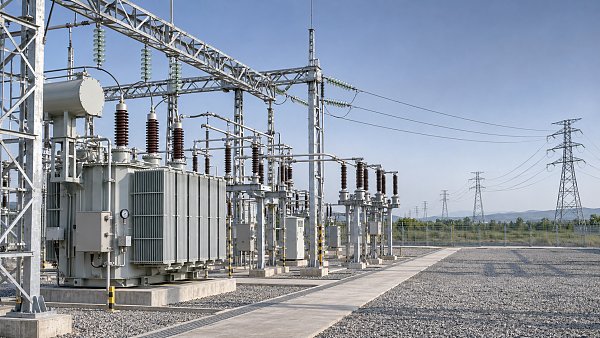
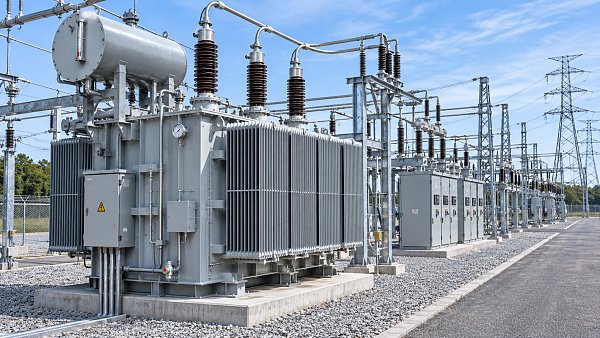
Manufacturers of Grid-Support Equipment (e.g., UHV Transformers, Smart Meters)
Manufacturers supplying components used in data center electrification must now assess whether their product documentation, testing reports, and design certifications align with evolving U.S. utility interconnection requirements—particularly IEEE 1547 (distributed energy resource interconnection) and IEC 61000-3-15 (voltage fluctuations). Non-compliant or undocumented designs may encounter delays in permitting or rejection during technical review.
Supply Chain Service Providers (Logistics, Compliance Certification, Local Representation)
Third-party service providers supporting foreign suppliers into U.S. regional markets must prioritize verification of local grid code alignment—not just national safety standards (e.g., UL listing). Maine’s action underscores that state-level utility regulations, not just federal or industry consensus documents, are becoming decisive gatekeepers for equipment acceptance.
What Relevant Companies or Practitioners Should Monitor and Do Now
Track official guidance from Maine Public Utilities Commission (MPUC)
The MPUC has not yet published implementation rules, definitions of ‘new construction’, or criteria for evaluating grid impact assessments. Monitoring its docket updates—and potential requests for stakeholder comment—is essential to distinguish policy intent from enforceable obligation.
Review product portfolios against state-specific grid resilience thresholds
While IEEE and IEC standards provide baseline frameworks, Maine’s 20 MW threshold reflects a localized capacity stress benchmark. Suppliers should map which of their transformer, metering, or dynamic reactive power compensation products have been tested or modeled for operation below this load band—and document those use cases explicitly for U.S. regional sales teams.
Differentiate between legislative signal and operational impact
This is a moratorium—not a permanent ban—and applies only to facilities exceeding 20 MW. Projects under 20 MW, or those already permitted before April 14, 2026, remain unaffected. Companies should avoid overgeneralizing the restriction to all data center-related hardware; instead, segment forecasts by load class and jurisdictional status.
Prepare technical dossiers aligned with utility interconnection workflows
U.S. utilities increasingly require vendor-submitted grid impact studies, harmonic distortion modeling, and ride-through test reports prior to interconnection approval. Suppliers should ensure their engineering support teams can deliver these materials—not just CE or UL certificates—to meet evolving pre-construction review timelines in regulated states.
Editorial Perspective / Industry Observation
Observably, Maine’s move functions primarily as a regulatory signal—not yet an operational constraint—with broader significance lying in its precedent-setting nature. Analysis shows it reflects accelerating tension between AI-driven infrastructure growth and legacy grid planning cycles, especially in regions with limited generation diversity or transmission headroom. From an industry perspective, this is less about Maine alone and more about how quickly other states (e.g., Vermont, Oregon, or Hawaii) may adopt comparable load-based thresholds—or tie permitting to verified carbon accounting or community benefit agreements. Current policy momentum suggests grid compatibility is no longer a secondary specification but a primary procurement criterion.

Conclusion
This development marks a formal inflection point where electricity infrastructure policy begins shaping AI hardware demand at the subnational level. It does not halt data center expansion overall—but reshapes where, how fast, and under what technical conditions such infrastructure may be deployed. For global suppliers, it reinforces that compliance must now extend beyond safety and efficiency standards to include demonstrable adaptability to localized grid constraints and regulatory responsiveness.
Information Sources
Maine State Legislature – LD 2598 (enacted April 14, 2026); Maine Public Utilities Commission (MPUC) official notices (pending rulemaking); IEEE Standards Association public documentation (IEEE 1547-2018, IEEE 2030.5-2020).
Note: Implementation guidelines, exemption criteria, and enforcement protocols remain under development and require ongoing observation.
Recommended for You
 Digital SeaKongsberg Maritime Unveils Arctic Hunter Unmanned Surface VesselKongsberg Maritime's Arctic Hunter unmanned surface vessel is proposed for the Royal Navy's Type 92 programme. Explore its technology and procurement implications.By: Captain Kenji SatoNov 10, 2026
 Sorting RobotsHow Accurate Is AI in Food Quality Control? Metrics and Testing MethodsExplore AI in food quality control accuracy, from recall and false negatives to validation methods. Learn how to assess real-world inspection reliability.By: Marcus SterlingNov 10, 2026
 UHV TransformersGE Vernova Selected for 6 GW HVDC Link in IndiaGE Vernova will design a 6 GW HVDC link for PGCIL, connecting Rajasthan and South Kalamb to support India's clean energy transition. Discover the project.By: Dr. Elena VoltNov 09, 2026
 Grid ResilienceEurope's Grid Compliance Standards in 2026: Generator Connection RequirementsExplore new grid compliance standards 2026 Europe projects must address, from generator connection rules to testing and documentation. Prepare for approval.By: Dr. Elena VoltNov 09, 2026
 Technical FabricsNonwoven Bonding Cost Data: Comparing Thermal and Chemical ProcessesExplore nonwoven bonding cost data to compare thermal and chemical processes, assess usable yield, and choose the best-value option for your application.By: Chloe DuboisNov 08, 2026
 Fiber LasersIndustrial Lasers to 2035: Automotive Lightweighting and Precision Welding Drive DemandExplore the industrial laser market outlook to 2035 and discover how automotive lightweighting and precision welding could shape demand and procurement.By: Dr. Hideo TanakaNov 07, 2026
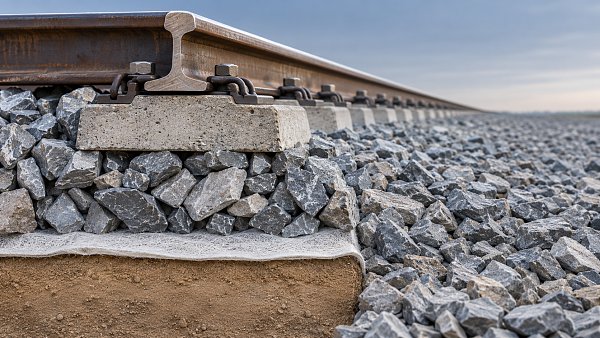
 Technical FabricsChoosing Geotextile Under Railway Ballast: Key Performance RequirementsChoosing geotextile under railway ballast? Explore essential filtration, drainage, strength and durability criteria to make a confident, project-specific selection.By: Chloe DuboisNov 07, 2026
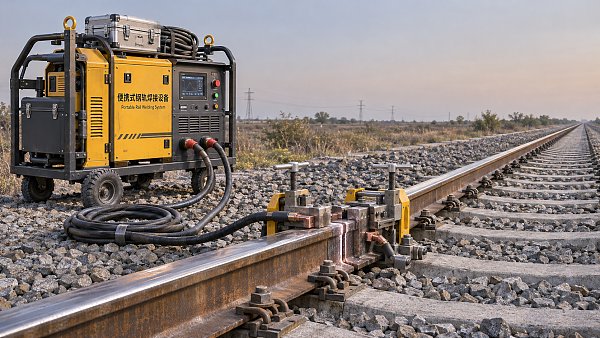
 Digital SeaChoosing Rail Welding Equipment for Maintenance: Field Conditions and Weld TypesChoose rail welding equipment for maintenance with confidence. Compare welding methods, field constraints, inspection needs, and lifecycle costs.By: Captain Kenji SatoNov 06, 2026
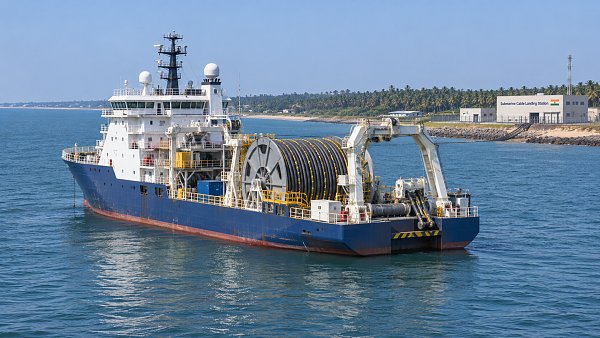
 Digital SeaIndia Broadband Forum Urges Stronger Submarine Cable ResilienceIndia’s submarine cable resilience is in focus as the Broadband India Forum urges faster repairs, more vessels and stronger landing infrastructure.By: Captain Kenji SatoNov 06, 2026
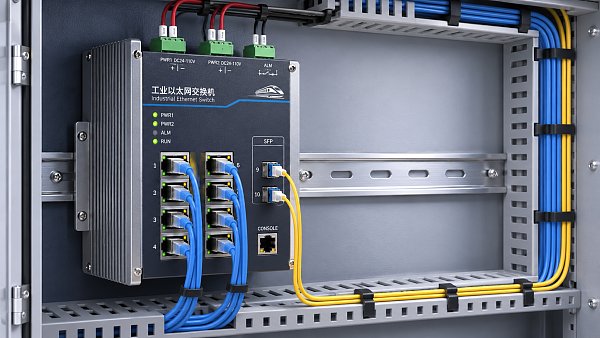
 Digital SeaChoosing a Railway Network Switch Supplier: Reliability and Support CriteriaChoosing a railway network switch supplier? Compare reliability, standards evidence, cybersecurity, and lifecycle support to reduce project risk.By: Captain Kenji SatoNov 05, 2026
 Grid ResilienceUS Grid Equipment Import Ban Raises Cost and Implementation ConcernsThe US grid equipment import ban raises concerns over costs and delivery delays. Explore how unclear criteria could affect procurement and supply chains.By: Dr. Elena VoltNov 05, 2026
 Digital SeaRailway Coupler Price: How Type and Specifications Affect QuotesRailway coupler price depends on type, specifications, and order scope. Learn how to compare quotes, avoid hidden costs, and make a confident buying decision.By: Captain Kenji SatoNov 04, 2026
 Grid ResilienceGlobal Smart Grid Companies Raise $3 Billion in First Nine Months of 2026Global smart grid companies raised $3 billion in the first nine months of 2026. Explore the funding breakdown and potential implications for buyers and suppliers.By: Dr. Elena VoltNov 04, 2026
 Digital SeaChoosing Wholesale Pet Toys: How to Evaluate Suppliers and Minimum OrdersWholesale pet toys: learn how to assess suppliers, compare minimum orders and landed costs, and reduce inventory risk before you buy.By: Captain Kenji SatoNov 03, 2026
 Digital SeaSustainable Packaging Design: How to Choose Materials and Reduce WasteDiscover how sustainable packaging design helps reduce waste, protect products, and control costs with practical material choices and proven testing strategies.By: Captain Kenji SatoNov 02, 2026
 Technical FabricsUSMCA's First Joint Review Puts Textile Supply Chain Rules in FocusUSMCA's first joint review puts textile supply chain rules in focus. Explore potential impacts on origin compliance, sourcing and tariff treatment.By: Chloe DuboisNov 02, 2026
 Digital SeaManufacturing KPI Benchmarking: How to Compare Production PerformanceBenchmarking KPI manufacturing performance? Learn how to compare OEE, quality and downtime, identify meaningful gaps, and turn insights into practical improvements.By: Captain Kenji SatoNov 01, 2026
 Smart MetersCCI Approves Adani Energy Solutions' ₹305 Billion Acquisition of IntelliSmartCCI approves Adani Energy Solutions' ₹305 billion acquisition of IntelliSmart. Discover what the deal could mean for India's smart meter market.By: Dr. Elena VoltNov 01, 2026
 Digital SeaChoosing a Coin Laundry Machinery OEM: What Buyers Should EvaluateChoosing a coin laundry machinery OEM? Compare machine specifications, payment integration, lifecycle costs, and support to make a confident buying decision.By: Captain Kenji SatoOct 31, 2026
 Grid ResilienceUS Energy Department Announces $237 Million Grid SCALED Funding ProgramExplore the DOE's $237 million Grid SCALED funding program and its goals to strengthen grid equipment supply chains, lower electricity costs, and improve resilience.By: Dr. Elena VoltOct 31, 2026
 UHV TransformersA Decade of UHV Power in Shandong: Province Leads in Station NumbersShandong UHV power leads China in station numbers. Explore a decade of grid development and its implications for electricity supply and business planning.By: Dr. Elena VoltOct 30, 2026
 Digital SeaChoosing a Composite Train Body Panel Manufacturer: Fire Safety and Quality ChecksChoosing a composite train body panels manufacturer? Learn how to verify fire test evidence, audit production quality, and avoid costly approval gaps before you buy.By: Captain Kenji SatoOct 29, 2026
 Subsea ROV/AUVOcean Infinity Deploys Six AUVs Together Beyond 5,000 MetresOcean Infinity reportedly deployed six HUGIN AUVs beyond 5,200 metres. Explore what concurrent deepwater missions could mean for seabed surveys and procurement.By: Captain Kenji SatoOct 29, 2026
 Grid ResilienceRenewable Energy Grid Balancing: How Storage and Demand Response Work TogetherExplore renewable energy grid balancing with storage and demand response. Learn how coordinated controls manage shortfalls, absorb surplus power, and improve grid reliability.By: Dr. Elena VoltOct 28, 2026
 Subsea ROV/AUVSeaber Introduces 13 kg RAVEN AUV to Target Mine Countermeasure CostsSeaber’s 13 kg RAVEN AUV targets lower mine countermeasure costs with two mission configurations. Explore its potential value for naval operations and procurement.By: Captain Kenji SatoOct 28, 2026
 Digital SeaBallast Water Management Rules: IMO vs. USCG Compliance RequirementsBallast water management rules explained: compare IMO and USCG approvals, operating limits, and records. Get practical checks to reduce compliance risks and costly port delays.By: Captain Kenji SatoOct 27, 2026
 Subsea ROV/AUVEni Signs Main Cronos Contracts, Moving Gas Project into ExecutionEni’s Cronos gas project enters execution as major contracts are signed. Explore the Cyprus development, Egypt processing plans and key milestones toward first gas in 2028.By: Captain Kenji SatoOct 27, 2026
 Digital SeaBenefits of Refurbished Semiconductor Equipment: When Do Savings Justify the Risk?Explore the benefits of refurbished semiconductor equipment. Learn how to weigh savings against process risks, qualification costs, and support gaps before investing.By: Captain Kenji SatoOct 26, 2026
 Digital SeaSemiconductor Equipment Overhaul: Diagnosing Persistent Process DriftSemiconductor equipment overhaul leaving process drift unresolved? Discover how to pinpoint vacuum, sensor, thermal, and conditioning issues to restore stability and reduce repeat service calls.By: Captain Kenji SatoOct 26, 2026
 Digital SeaSemiconductor Equipment Refurbishment Process: Cleaning to QualificationExplore the semiconductor equipment refurbishment process, from precision cleaning to qualification. Learn how measurable testing helps verify production readiness and reduce risk.By: Captain Kenji SatoOct 26, 2026
 Digital SeaBidding for Offshore Decommissioning Projects: Scope and Liability ChecksBidding for offshore decommissioning projects? Discover key scope, liability, and insurance checks to avoid hidden costs, protect margins, and bid with confidence.By: Captain Kenji SatoOct 26, 2026