BDI: 1,842 ▼ 1.2%
COTTON NO.2: 84.12 ▲ 0.4%
LME COPPER: 8,432.50 ▲ 2.1%
FOOD SAFETY INDEX: 94.2 ARCHIVE_SECURED
OPTICAL INDEX: 11,204.09 STABLE
BDI: 1,842 ▼ 1.2%

SECTOR INDEX
V.24.08 ARCHIVE
Hot Articles
- Industrial Lasers to 2035: Automotive Lightweighting and Precision Welding Drive DemandExplore the industrial laser market outlook to 2035 and discover how automotive lightweighting and precision welding could shape demand and procurement.
- Choosing Geotextile Under Railway Ballast: Key Performance RequirementsChoosing geotextile under railway ballast? Explore essential filtration, drainage, strength and durability criteria to make a confident, project-specific selection.
- Choosing Rail Welding Equipment for Maintenance: Field Conditions and Weld TypesChoose rail welding equipment for maintenance with confidence. Compare welding methods, field constraints, inspection needs, and lifecycle costs.
How climate change is reshaping track safety and upkeep


For quality control and safety managers, understanding the impact of climate change on track conditions is no longer optional. Rising heat, heavier rainfall, flooding, and freeze-thaw cycles are accelerating rail degradation, increasing inspection demands, and reshaping maintenance priorities. This article explores how climate-driven stress is changing track safety risks, asset performance, and upkeep strategies across modern rail infrastructure.
For B2B decision-makers responsible for compliance, uptime, and asset integrity, the issue is not only environmental. The impact of climate change on track affects inspection intervals, renewal budgets, supplier selection, material performance, and emergency response planning across freight, metro, and mixed-use rail corridors.
In a cross-sector intelligence environment such as G-MCE, rail infrastructure resilience also connects with smart grid reliability, sensing technology, industrial materials, and benchmarking against ISO, IEC, and ASTM-aligned practices. That broader view matters when weather volatility starts driving maintenance from a 12-month cycle toward a risk-based model measured in weeks, thresholds, and trigger events.
Why climate change is becoming a direct track safety variable
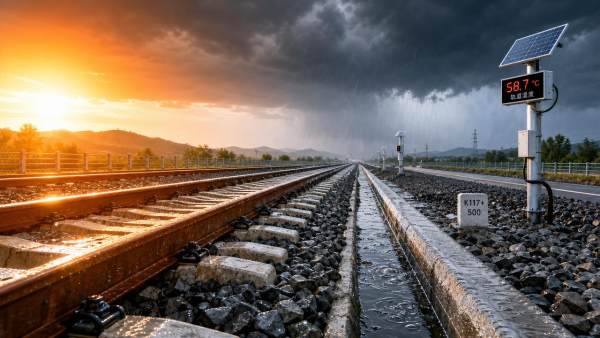
The impact of climate change on track is no longer limited to isolated disruption after an extreme event. It is becoming a continuous operating condition. Heat waves above 35°C, short-duration heavy rainfall, prolonged saturation, and more frequent freeze-thaw cycles all change how rail, ballast, sleepers, drainage, and subgrade behave over time.
For safety managers, the main concern is that traditional maintenance assumptions were built around historical weather bands. When those bands shift by 5°C to 10°C in peak surface conditions, or when rainfall arrives in 1-in-50-year patterns more often, inspection criteria and intervention timing can become outdated faster than asset plans are revised.
Heat stress, rail expansion, and geometry instability
High rail temperatures can exceed ambient air temperature by 15°C to 20°C, especially on exposed alignments with dark rail surfaces and limited airflow. In continuous welded rail systems, thermal expansion raises the risk of track buckling if neutral temperature management, fastening integrity, and ballast confinement are not tightly controlled.
Quality teams should track at least 4 heat-linked indicators: rail neutral temperature variance, fastening torque loss, sleeper condition, and ballast shoulder stability. When two or more trend negatively within the same 30- to 60-day period, the probability of geometry deviation rises sharply, even before visible defects appear.
Common hot-weather failure pathways
- Rail misalignment caused by thermal compressive force
- Fastener loosening after repeated expansion and contraction cycles
- Reduced ballast resistance in dry, fouled, or poorly compacted sections
- Accelerated gauge variation on curves and transition zones
Rainfall, flooding, and hidden substructure damage
Heavier rainfall often causes more than visible ponding. The impact of climate change on track is especially severe below the rail seat, where saturated ballast loses stiffness, fines migrate upward, and drainage paths clog. A track may remain passable immediately after rain, yet carry a higher risk of settlement over the next 7 to 21 days.
Flood-prone segments require a layered assessment covering culverts, ditches, embankment shoulders, and subgrade bearing performance. A 20 mm to 40 mm change in differential settlement across a short section can trigger recurring alignment defects, speed restrictions, and repeated tamping that solves symptoms rather than root cause.
The table below summarizes how major climate stressors affect track components, inspection focus, and safety exposure. It can help quality control teams align condition monitoring with event-based thresholds rather than relying only on fixed annual schedules.
The key conclusion is that the impact of climate change on track is multi-layered. Rail failures may be the visible outcome, but drainage capacity, soil behavior, thermal stress management, and component retention often determine whether a route remains safe under changing conditions.
How inspection and upkeep strategies are being reshaped
Climate pressure is forcing a shift from calendar-based maintenance toward condition-based and event-triggered upkeep. For many operators, a standard 6-month or 12-month review cycle is no longer sufficient on exposed corridors. Instead, inspection frequency may increase to every 2 to 4 weeks during heat season or after rainfall above a defined threshold.
This change directly affects quality assurance workflows. Inspection data must move faster from field collection to action. Safety managers need clear trigger points, such as rail temperature exceeding a local control limit, rainfall accumulation above a set millimeter range, or repeated geometry exceptions within 3 consecutive surveys.
From periodic inspection to risk-triggered intervention
A practical climate-responsive inspection framework usually includes 3 layers: routine patrols, threshold monitoring, and post-event engineering review. Routine patrols maintain baseline visibility. Threshold monitoring uses temperature, water level, or geometry data. Post-event review determines whether restrictions, targeted repair, or full renewal are necessary.
In procurement terms, this means buyers are no longer sourcing only track materials. They are also evaluating sensor compatibility, data integration, inspection turnaround time, and supplier response capability within 24 to 72 hours after a climate event.
Five implementation priorities for safety teams
- Define climate thresholds by route, terrain, and traffic load.
- Classify assets into high, medium, and low exposure zones.
- Link field inspection results to maintenance work orders within 1 operating day.
- Review drainage assets at least once before and once during peak wet season.
- Audit heat-season rail stress controls before the first major temperature spike.
Materials, components, and monitoring tools under closer scrutiny
The impact of climate change on track is also changing what purchasers ask of suppliers. Material durability under wider thermal swings, corrosion performance after repeated wetting, and resilience under saturated support conditions now carry more weight in tender evaluation. A lower upfront price may be less attractive if intervention frequency doubles over 3 to 5 years.
This is where cross-sector benchmarking becomes useful. Precision sensing modules, remote monitoring architecture, and power continuity for field devices can borrow lessons from smart grid and industrial automation environments. Rail infrastructure teams increasingly need integrated systems, not isolated components.
The table below outlines a practical procurement lens for track maintenance programs exposed to climate volatility. It is designed for quality control and safety managers who must justify supplier selection on technical and operational grounds.
A strong procurement decision should connect technical suitability with response readiness. In climate-sensitive rail environments, the best solution is often the one that shortens detection-to-action time, lowers repeat defects, and integrates cleanly into existing maintenance governance.
Key risk controls for quality control and safety managers
When evaluating the impact of climate change on track, managers should focus on controllable risk layers rather than weather itself. The goal is to reduce the probability that climate exposure turns into a reportable safety incident, prolonged speed restriction, or unplanned closure.
Build route-specific climate risk maps
Not every corridor fails in the same way. A coastal freight line may face salt exposure and washout. An inland urban metro may see drainage overload and heat accumulation. A practical map should divide the network into at least 3 exposure classes and link each class to inspection frequency, escalation path, and maintenance stock requirements.
This mapping can be completed in 4 steps: review historical defects, overlay drainage and terrain data, identify weather trigger thresholds, and assign response levels. Even a simple risk matrix can improve maintenance prioritization more effectively than treating all route-kilometers as equal.
Strengthen verification after short-term repairs
Temporary fixes are common after weather events, but they should not become invisible long-term conditions. After emergency tamping, drainage clearing, or spot fastening replacement, follow-up verification should occur within 7 days, 30 days, and the next comparable climate event where possible.
This prevents recurring faults from being closed administratively while the underlying cause remains active. For quality teams, traceability matters: defect origin, intervention type, verification date, and remaining risk status should all be captured in a repeatable review format.
Common oversight gaps
- Checking rail condition without reviewing drainage upstream and downstream
- Resetting geometry tolerances but not investigating subgrade moisture movement
- Measuring ambient temperature while ignoring actual rail surface temperature
- Procuring sensors without defining alarm thresholds and response ownership
Link maintenance planning with broader infrastructure dependencies
Modern rail safety depends on more than the track structure alone. Remote monitoring devices require reliable power. Inspection data requires transmission and interpretation. In this sense, climate resilience in rail increasingly intersects with smart grid continuity, industrial sensing quality, and component standardization across multiple sectors.
That systems view aligns with the value of multidisciplinary benchmarking. For B2B buyers, resilient upkeep now means evaluating not only rails, sleepers, and ballast, but also field electronics, enclosure protection, calibration intervals, and replacement lead times that may range from 2 weeks to 12 weeks depending on supplier depth.
What an actionable climate-resilient track program looks like
A workable program does not begin with a large technology purchase. It begins with a disciplined operating model. Quality control and safety managers should combine climate exposure ranking, measurable inspection triggers, component suitability reviews, and faster corrective verification into one governance framework.
In practical terms, that means defining 3 to 5 route risk categories, setting event thresholds for heat and rainfall, reviewing drainage and fastening performance before peak seasons, and aligning suppliers around response times, technical documentation, and maintenance support. The impact of climate change on track becomes easier to manage when monitoring, materials, and maintenance actions are treated as a connected system.
For organizations navigating infrastructure risk across complex industrial environments, a cross-disciplinary intelligence approach can improve both procurement decisions and operational resilience. If you need support benchmarking track-related monitoring, material options, or climate-driven upkeep strategies, contact us to get a tailored solution, discuss technical details, and explore more resilient infrastructure planning options.
Recommended for You
 Fiber LasersIndustrial Lasers to 2035: Automotive Lightweighting and Precision Welding Drive DemandExplore the industrial laser market outlook to 2035 and discover how automotive lightweighting and precision welding could shape demand and procurement.By: Dr. Hideo TanakaNov 07, 2026
 Technical FabricsChoosing Geotextile Under Railway Ballast: Key Performance RequirementsChoosing geotextile under railway ballast? Explore essential filtration, drainage, strength and durability criteria to make a confident, project-specific selection.By: Chloe DuboisNov 07, 2026
 Digital SeaChoosing Rail Welding Equipment for Maintenance: Field Conditions and Weld TypesChoose rail welding equipment for maintenance with confidence. Compare welding methods, field constraints, inspection needs, and lifecycle costs.By: Captain Kenji SatoNov 06, 2026
 Digital SeaIndia Broadband Forum Urges Stronger Submarine Cable ResilienceIndia’s submarine cable resilience is in focus as the Broadband India Forum urges faster repairs, more vessels and stronger landing infrastructure.By: Captain Kenji SatoNov 06, 2026
 Digital SeaChoosing a Railway Network Switch Supplier: Reliability and Support CriteriaChoosing a railway network switch supplier? Compare reliability, standards evidence, cybersecurity, and lifecycle support to reduce project risk.By: Captain Kenji SatoNov 05, 2026
 Grid ResilienceUS Grid Equipment Import Ban Raises Cost and Implementation ConcernsThe US grid equipment import ban raises concerns over costs and delivery delays. Explore how unclear criteria could affect procurement and supply chains.By: Dr. Elena VoltNov 05, 2026
 Digital SeaRailway Coupler Price: How Type and Specifications Affect QuotesRailway coupler price depends on type, specifications, and order scope. Learn how to compare quotes, avoid hidden costs, and make a confident buying decision.By: Captain Kenji SatoNov 04, 2026
 Grid ResilienceGlobal Smart Grid Companies Raise $3 Billion in First Nine Months of 2026Global smart grid companies raised $3 billion in the first nine months of 2026. Explore the funding breakdown and potential implications for buyers and suppliers.By: Dr. Elena VoltNov 04, 2026
 Digital SeaChoosing Wholesale Pet Toys: How to Evaluate Suppliers and Minimum OrdersWholesale pet toys: learn how to assess suppliers, compare minimum orders and landed costs, and reduce inventory risk before you buy.By: Captain Kenji SatoNov 03, 2026
 Digital SeaSustainable Packaging Design: How to Choose Materials and Reduce WasteDiscover how sustainable packaging design helps reduce waste, protect products, and control costs with practical material choices and proven testing strategies.By: Captain Kenji SatoNov 02, 2026
 Technical FabricsUSMCA's First Joint Review Puts Textile Supply Chain Rules in FocusUSMCA's first joint review puts textile supply chain rules in focus. Explore potential impacts on origin compliance, sourcing and tariff treatment.By: Chloe DuboisNov 02, 2026
 Digital SeaManufacturing KPI Benchmarking: How to Compare Production PerformanceBenchmarking KPI manufacturing performance? Learn how to compare OEE, quality and downtime, identify meaningful gaps, and turn insights into practical improvements.By: Captain Kenji SatoNov 01, 2026
 Smart MetersCCI Approves Adani Energy Solutions' ₹305 Billion Acquisition of IntelliSmartCCI approves Adani Energy Solutions' ₹305 billion acquisition of IntelliSmart. Discover what the deal could mean for India's smart meter market.By: Dr. Elena VoltNov 01, 2026
 Digital SeaChoosing a Coin Laundry Machinery OEM: What Buyers Should EvaluateChoosing a coin laundry machinery OEM? Compare machine specifications, payment integration, lifecycle costs, and support to make a confident buying decision.By: Captain Kenji SatoOct 31, 2026
 Grid ResilienceUS Energy Department Announces $237 Million Grid SCALED Funding ProgramExplore the DOE's $237 million Grid SCALED funding program and its goals to strengthen grid equipment supply chains, lower electricity costs, and improve resilience.By: Dr. Elena VoltOct 31, 2026
 UHV TransformersA Decade of UHV Power in Shandong: Province Leads in Station NumbersShandong UHV power leads China in station numbers. Explore a decade of grid development and its implications for electricity supply and business planning.By: Dr. Elena VoltOct 30, 2026
 Digital SeaChoosing a Composite Train Body Panel Manufacturer: Fire Safety and Quality ChecksChoosing a composite train body panels manufacturer? Learn how to verify fire test evidence, audit production quality, and avoid costly approval gaps before you buy.By: Captain Kenji SatoOct 29, 2026
 Subsea ROV/AUVOcean Infinity Deploys Six AUVs Together Beyond 5,000 MetresOcean Infinity reportedly deployed six HUGIN AUVs beyond 5,200 metres. Explore what concurrent deepwater missions could mean for seabed surveys and procurement.By: Captain Kenji SatoOct 29, 2026
 Grid ResilienceRenewable Energy Grid Balancing: How Storage and Demand Response Work TogetherExplore renewable energy grid balancing with storage and demand response. Learn how coordinated controls manage shortfalls, absorb surplus power, and improve grid reliability.By: Dr. Elena VoltOct 28, 2026
 Subsea ROV/AUVSeaber Introduces 13 kg RAVEN AUV to Target Mine Countermeasure CostsSeaber’s 13 kg RAVEN AUV targets lower mine countermeasure costs with two mission configurations. Explore its potential value for naval operations and procurement.By: Captain Kenji SatoOct 28, 2026
 Digital SeaBallast Water Management Rules: IMO vs. USCG Compliance RequirementsBallast water management rules explained: compare IMO and USCG approvals, operating limits, and records. Get practical checks to reduce compliance risks and costly port delays.By: Captain Kenji SatoOct 27, 2026
 Subsea ROV/AUVEni Signs Main Cronos Contracts, Moving Gas Project into ExecutionEni’s Cronos gas project enters execution as major contracts are signed. Explore the Cyprus development, Egypt processing plans and key milestones toward first gas in 2028.By: Captain Kenji SatoOct 27, 2026
 Dyeing MachinesHow Waterless CO2 Dyeing Works—and Why Polyester Is a Strong FitDiscover how waterless dyeing with supercritical CO2 colors polyester, why this fiber is a strong fit, and what to verify for consistent shades and measurable resource savings.By: Chloe DuboisOct 26, 2026
 Smart MetersSourcing Smart Meter Structural Components from China: An RFQ ChecklistExport smart meter structural components from China with confidence. Use this RFQ checklist to compare materials, tooling, quality, and delivered costs—and avoid costly sourcing mistakes.By: Dr. Elena VoltOct 26, 2026
 Optical SensorsEvaluating an Optical Detection Factory: Calibration and RepeatabilityEvaluate an optical detection factory with confidence. Learn how calibration, traceability, and repeatability trials reveal production reliability and help you choose the right supplier.By: Dr. Hideo TanakaOct 26, 2026
 Precision LensesChoosing a Welding Optics Supplier in China: Coatings and Damage ThresholdsCompare welding optics supplier China options for coating quality, verified damage thresholds, and batch consistency. Learn how to reduce downtime and buy with confidence.By: Dr. Hideo TanakaOct 26, 2026
 Aseptic FillingStainless Steel Mixing Tanks: Cleaning Access Checks Before PurchaseBuying stainless steel mixing tanks? Check cleaning access, CIP coverage, drainage, and acceptance tests before purchase to reduce changeover headaches and make a confident choice.By: Marcus SterlingOct 26, 2026
 Digital SeaRail Communication Bandwidth in Europe: GSM-R and FRMCS Bands ExplainedRail communication bandwidth Europe: explore GSM-R and FRMCS bands, compare 900 MHz and 1900 MHz spectrum, and discover key checks for smarter network planning.By: Captain Kenji SatoOct 26, 2026
 Digital SeaTechnipFMC and bp Sign MoU for 20,000-psi Subsea Tree SystemsTechnipFMC and bp's MoU targets 20,000-psi subsea tree systems for Paleogene projects. Explore how early equipment planning could support future deepwater development.By: Captain Kenji SatoOct 26, 2026
 Digital SeaETCS Level 2/3 Interoperability: Baseline Compatibility and Train IntegrityExplore ETCS Level 2/3 interoperability: assess baseline compatibility, train integrity, and route-specific evidence to reduce deployment risks and make informed procurement decisions.By: Captain Kenji SatoOct 25, 2026
 Grid ResilienceTBEA Begins Mass Production of Its First Solid-State Transformer in TianjinTBEA’s first solid-state transformer enters mass production in Tianjin. Explore its 800 V supply for AI computing centers and announced annual production capacity of 200 units.By: Dr. Elena VoltOct 25, 2026