BDI: 1,842 ▼ 1.2%
COTTON NO.2: 84.12 ▲ 0.4%
LME COPPER: 8,432.50 ▲ 2.1%
FOOD SAFETY INDEX: 94.2 ARCHIVE_SECURED
OPTICAL INDEX: 11,204.09 STABLE
BDI: 1,842 ▼ 1.2%

SECTOR INDEX
V.24.08 ARCHIVE
Hot Articles
- Metro Station Noise Criteria: Limits and Measurement MethodsExplore metro station noise criteria, applicable limits and measurement methods. Learn how to select metrics and assess compliance with confidence.
- Kongsberg Maritime Unveils Arctic Hunter Unmanned Surface VesselKongsberg Maritime's Arctic Hunter unmanned surface vessel is proposed for the Royal Navy's Type 92 programme. Explore its technology and procurement implications.
- How Accurate Is AI in Food Quality Control? Metrics and Testing MethodsExplore AI in food quality control accuracy, from recall and false negatives to validation methods. Learn how to assess real-world inspection reliability.
Pantograph for High Speed Train: What Causes Early Wear?


A pantograph for high speed train systems can fail far earlier than expected when contact force, carbon strip quality, overhead line conditions, and maintenance practices fall out of balance. For after-sales maintenance teams, identifying the real causes of early wear is critical to reducing downtime, preventing repeat faults, and extending component life. This article explores the key wear factors and practical inspection priorities that matter most in the field.
For maintenance teams working on high-speed fleets, early wear is rarely caused by a single defective part. In most cases, a pantograph for high speed train service wears prematurely because 3 to 5 interacting variables have drifted outside their normal operating window. The result can be carbon strip cracking, uneven contact marks, increased arcing, noisy current collection, and shortened maintenance intervals.
In a B2B railway maintenance environment, the cost of misdiagnosis is high. Replacing strips too early raises material consumption, while replacing them too late can trigger overhead line damage, service delays, and repeat workshop visits. For after-sales teams, the priority is not only to identify visible damage, but also to connect wear patterns with root causes, operating conditions, and inspection discipline.
Why Early Pantograph Wear Happens in High-Speed Operation
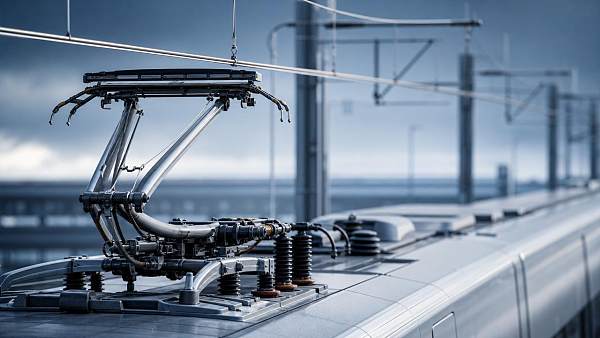
A pantograph for high speed train applications operates in a narrow mechanical and electrical balance zone. At speeds above 200 km/h, even a small change in uplift force, strip geometry, or overhead contact wire condition can multiply wear rates. What looks like “fast consumption” may actually be a symptom of unstable current collection, intermittent contact loss, or impact loading from line irregularities.
Maintenance teams should treat early wear as a system issue rather than a strip-only issue. In practice, at least 4 core causes appear repeatedly: incorrect contact force, poor carbon strip quality or mismatch, overhead line defects, and maintenance execution gaps. Secondary contributors include contamination, seasonal temperature changes, vibration, aerodynamic disturbance, and hidden damage after transient overload events.
Contact Force Outside the Recommended Range
Contact force is one of the most sensitive variables affecting a pantograph for high speed train use. If force is too low, the strip can bounce and lose stable contact with the wire, increasing arcing and localized burning. If force is too high, mechanical friction rises, causing accelerated strip wear and higher wire stress. In many fleets, even a deviation of 5% to 10% from the maintenance target can materially affect service life.
For field teams, force should not be viewed as a static workshop value only. It needs verification under realistic conditions, including spring condition, linkage friction, damper response, head alignment, and wear state. A pantograph that passes a bench check may still behave poorly after 100,000 to 150,000 km if articulation joints develop resistance or if aerodynamic effects increase head instability at speed.
Carbon Strip Quality, Material Match, and Manufacturing Consistency
Not all carbon strips perform equally under the same line current and speed profile. Material density, copper impregnation level, bonding quality, hardness, and thermal shock resistance all influence wear behavior. A strip chosen for lower-speed service may show rapid edge chipping or hot-spot erosion when used in a high-speed corridor with frequent acceleration cycles and elevated current demand.
Consistency also matters. When a pantograph for high speed train duty receives replacement strips from mixed lots or suppliers with variable dimensional tolerances, contact stability can degrade. A difference of only a few tenths of a millimeter in flatness, seating condition, or edge finish can change contact distribution and lead to asymmetrical wear within a relatively short inspection cycle of 15 to 30 days.
Overhead Line Condition and Dynamic Interaction
Overhead contact line condition is often underestimated during fault review. Wire stagger irregularity, local hard spots, contact wire wear, droppers out of tolerance, and support geometry variation can all transfer abnormal loads into the pantograph head. In high-speed operation, repeated impacts at the same route location can produce distinctive strip marks, including stepped wear, edge polishing, or periodic cracking.
This is why after-sales teams should compare train-side findings with route-specific data. If 2 or more units from the same line section show similar wear signatures within 30 to 60 days, the problem may not be a component defect. It may point to catenary interaction, current peaks at transition zones, or environmental contamination in tunnels, coastal sections, or industrial corridors.
Common Wear Patterns and Likely Root Causes
The table below helps maintenance teams connect visible strip conditions with practical field diagnosis priorities. It is not a substitute for engineering analysis, but it can shorten the first-stage troubleshooting process and reduce unnecessary part replacement.
The key lesson is that wear appearance contains diagnostic value. Teams that document pattern, location, mileage, route, and weather can usually reduce repeat faults faster than teams that only record “strip worn” as a generic failure code.
What After-Sales Maintenance Teams Should Inspect First
When a pantograph for high speed train service shows abnormal wear, inspection sequence matters. A structured 5-step process improves fault isolation and helps workshops avoid replacing parts that are not the true cause. The first objective is to separate mechanical wear, electrical wear, and route-induced wear before major components are changed.
Step 1: Record Mileage, Route, and Operating Context
Begin with operating history. Record cumulative mileage since last strip replacement, average line speed, seasonal temperature range, power demand pattern, and whether the unit runs through tunnels, coastal corridors, industrial pollution zones, or mixed electrification sections. A difference between 20,000 km and 60,000 km to first wear alarm is significant and should shape the inspection path.
Step 2: Verify Strip Condition Beyond Remaining Thickness
Thickness alone is not enough. Inspect surface smoothness, edge integrity, pitting, thermal marks, attachment condition, and seating contact with the support. A pantograph for high speed train systems may still have acceptable residual thickness but already show burn marks or side loading severe enough to justify intervention before the next scheduled cycle.
Step 3: Measure Force and Check Head Geometry
Static and functional force checks should be paired with geometry checks. Measure uplift force according to the operator’s procedure, then inspect panhead levelness, parallelism, joint friction, horn condition, and return movement. Small angular misalignment can create long-term one-sided wear even when measured force appears acceptable on paper.
Step 4: Look for Electrical and Thermal Warning Signs
Discoloration, local melting, copper transfer, and repeated arc traces suggest current collection instability. Thermal stress can accumulate gradually, especially during frequent starts, regenerative braking cycles, or operation under adverse weather. If visible electrical marks appear before normal wear depth is reached, the issue often extends beyond carbon quality alone.
Step 5: Compare with Fleet and Route Trends
One train may have a local defect; 3 trains showing the same wear mode across the same corridor usually indicate a broader issue. Compare findings by fleet number, depot, route section, and replacement batch. This simple benchmarking habit is especially valuable for cross-border, multi-supplier, or mixed-maintenance railway operations where responsibility can otherwise become unclear.
Priority Inspection Checklist for Field Teams
The following checklist can be used as a quick decision tool during depot intake or post-fault review. It supports a more consistent response when dealing with early wear on a pantograph for high speed train fleets.
Using a checklist like this improves maintenance consistency across shifts and depots. It also creates cleaner records for procurement review when buyers need to compare strip suppliers, service intervals, and failure recurrence over a 6-month or 12-month period.
Hidden Maintenance Errors That Accelerate Wear
Some early wear events are not caused by route severity or strip quality, but by avoidable maintenance execution errors. In after-sales environments, these errors are often small, repeated, and poorly documented. Over time, they can shorten strip life by a substantial margin and distort performance comparisons between suppliers.
Improper Installation and Fastener Control
If mounting surfaces are not clean, fasteners are unevenly tightened, or seating is incomplete, the strip may not load uniformly. This can create vibration, micro-movement, and concentrated stress at one end. Even when the strip material is correct, installation defects can cause chipping or irregular wear well before the expected replacement point.
Inadequate Cleaning and Contamination Control
Dust, metallic particles, oil residue, and environmental salts change the friction and electrical interface between strip and wire. In industrial or coastal routes, contamination should be considered during every inspection cycle, especially if wear accelerates during wet periods. A 2-week contamination trend can explain failures that appear random when viewed unit by unit.
Replacing Parts Without Investigating the Interaction Chain
A common error is changing the carbon strip, then returning the train to service without checking the associated force mechanism, head geometry, and route context. The same fault then returns in the next 10,000 to 20,000 km. For B2B operators, this creates false warranty disputes, avoidable spare consumption, and poor supplier evaluation decisions.
Three Practical Controls for Better Service Life
- Standardize strip installation, torque practice, seating verification, and photo documentation at every replacement event.
- Track wear by mileage, route, and supplier batch rather than by simple calendar date.
- Escalate repeated abnormal wear after 2 similar occurrences instead of waiting for a wider fleet problem.
These controls are low-cost, but they create a better data foundation for maintenance engineering, supplier management, and future procurement decisions. In multi-site organizations, disciplined reporting is often as important as the component specification itself.
How to Improve Reliability Through Parts Selection and Service Strategy
For railway buyers and maintenance decision-makers, reducing early wear requires both technical and commercial control. A pantograph for high speed train systems should not be evaluated only by purchase price per strip. The more useful metric is life-cycle value, including service interval stability, repeat fault rate, inspection burden, and compatibility with the existing overhead environment.
Choose Material and Configuration for the Actual Duty Profile
If a fleet runs at 250 km/h to 350 km/h with frequent acceleration and heavy daily utilization, the strip specification should reflect that duty level. Material suitability should be reviewed against current load, route contamination, climate, and interaction with the contact wire system. A lower initial part cost can become uneconomical if replacement frequency increases by even 20% to 30%.
Build a Closed Loop Between Depot Data and Procurement
Procurement teams need field feedback in a usable format. Maintenance records should capture at least 6 points: installation date, mileage to inspection, wear pattern, route profile, supplier batch, and associated mechanism condition. This creates a more defensible basis for supplier comparison than price-only sourcing or anecdotal workshop comments.
Use Cross-Disciplinary Benchmarking When Problems Persist
Complex wear issues often sit at the intersection of materials engineering, mechanical dynamics, electrification infrastructure, and maintenance execution. That is why multi-sector industrial benchmarking is increasingly valuable. Organizations such as G-MCE support decision-makers who need to compare hardware behavior, standards alignment, and operating risks across technically demanding asset environments, not just within a single silo.
For after-sales teams, this broader view helps separate component quality issues from system interaction problems. It also supports better technical communication between depots, Tier-1 suppliers, procurement managers, and infrastructure stakeholders when root cause is shared across multiple interfaces.
Questions Maintenance Teams Should Ask Suppliers
- What duty range is the strip material designed for in terms of speed, current, and environmental exposure?
- What dimensional tolerances and batch consistency controls are applied?
- What field data should be collected to validate whether wear is material-driven or system-driven?
- What installation, inspection, and storage conditions are required to preserve expected service life?
These questions move the conversation from simple replacement supply to long-term reliability support. That shift is especially important for operators managing high-value fleets, strict availability targets, and cross-border maintenance obligations.
Early wear on a pantograph for high speed train service is usually the result of interaction, not coincidence. Contact force, strip material, overhead line condition, installation quality, contamination, and route dynamics must be reviewed together if maintenance teams want to reduce repeat failures and extend replacement intervals. A structured inspection process, better wear pattern recording, and stronger coordination between field service and procurement can significantly improve decision quality.
If your team is evaluating pantograph components, reviewing recurring wear problems, or building a more reliable maintenance benchmarking process, G-MCE can help you compare technical variables, operational risks, and sourcing considerations with greater clarity. Contact us to get a tailored solution, discuss product details, or explore more industrial maintenance intelligence for high-performance rail systems.
Recommended for You
 Digital SeaMetro Station Noise Criteria: Limits and Measurement MethodsExplore metro station noise criteria, applicable limits and measurement methods. Learn how to select metrics and assess compliance with confidence.By: Captain Kenji SatoNov 11, 2026
 Digital SeaKongsberg Maritime Unveils Arctic Hunter Unmanned Surface VesselKongsberg Maritime's Arctic Hunter unmanned surface vessel is proposed for the Royal Navy's Type 92 programme. Explore its technology and procurement implications.By: Captain Kenji SatoNov 10, 2026
 Sorting RobotsHow Accurate Is AI in Food Quality Control? Metrics and Testing MethodsExplore AI in food quality control accuracy, from recall and false negatives to validation methods. Learn how to assess real-world inspection reliability.By: Marcus SterlingNov 10, 2026
 UHV TransformersGE Vernova Selected for 6 GW HVDC Link in IndiaGE Vernova will design a 6 GW HVDC link for PGCIL, connecting Rajasthan and South Kalamb to support India's clean energy transition. Discover the project.By: Dr. Elena VoltNov 09, 2026
 Grid ResilienceEurope's Grid Compliance Standards in 2026: Generator Connection RequirementsExplore new grid compliance standards 2026 Europe projects must address, from generator connection rules to testing and documentation. Prepare for approval.By: Dr. Elena VoltNov 09, 2026
 Technical FabricsNonwoven Bonding Cost Data: Comparing Thermal and Chemical ProcessesExplore nonwoven bonding cost data to compare thermal and chemical processes, assess usable yield, and choose the best-value option for your application.By: Chloe DuboisNov 08, 2026
 Fiber LasersIndustrial Lasers to 2035: Automotive Lightweighting and Precision Welding Drive DemandExplore the industrial laser market outlook to 2035 and discover how automotive lightweighting and precision welding could shape demand and procurement.By: Dr. Hideo TanakaNov 07, 2026
 Technical FabricsChoosing Geotextile Under Railway Ballast: Key Performance RequirementsChoosing geotextile under railway ballast? Explore essential filtration, drainage, strength and durability criteria to make a confident, project-specific selection.By: Chloe DuboisNov 07, 2026
 Digital SeaChoosing Rail Welding Equipment for Maintenance: Field Conditions and Weld TypesChoose rail welding equipment for maintenance with confidence. Compare welding methods, field constraints, inspection needs, and lifecycle costs.By: Captain Kenji SatoNov 06, 2026
 Digital SeaIndia Broadband Forum Urges Stronger Submarine Cable ResilienceIndia’s submarine cable resilience is in focus as the Broadband India Forum urges faster repairs, more vessels and stronger landing infrastructure.By: Captain Kenji SatoNov 06, 2026
 Digital SeaChoosing a Railway Network Switch Supplier: Reliability and Support CriteriaChoosing a railway network switch supplier? Compare reliability, standards evidence, cybersecurity, and lifecycle support to reduce project risk.By: Captain Kenji SatoNov 05, 2026
 Grid ResilienceUS Grid Equipment Import Ban Raises Cost and Implementation ConcernsThe US grid equipment import ban raises concerns over costs and delivery delays. Explore how unclear criteria could affect procurement and supply chains.By: Dr. Elena VoltNov 05, 2026
 Digital SeaRailway Coupler Price: How Type and Specifications Affect QuotesRailway coupler price depends on type, specifications, and order scope. Learn how to compare quotes, avoid hidden costs, and make a confident buying decision.By: Captain Kenji SatoNov 04, 2026
 Grid ResilienceGlobal Smart Grid Companies Raise $3 Billion in First Nine Months of 2026Global smart grid companies raised $3 billion in the first nine months of 2026. Explore the funding breakdown and potential implications for buyers and suppliers.By: Dr. Elena VoltNov 04, 2026
 Digital SeaChoosing Wholesale Pet Toys: How to Evaluate Suppliers and Minimum OrdersWholesale pet toys: learn how to assess suppliers, compare minimum orders and landed costs, and reduce inventory risk before you buy.By: Captain Kenji SatoNov 03, 2026
 Digital SeaSustainable Packaging Design: How to Choose Materials and Reduce WasteDiscover how sustainable packaging design helps reduce waste, protect products, and control costs with practical material choices and proven testing strategies.By: Captain Kenji SatoNov 02, 2026
 Technical FabricsUSMCA's First Joint Review Puts Textile Supply Chain Rules in FocusUSMCA's first joint review puts textile supply chain rules in focus. Explore potential impacts on origin compliance, sourcing and tariff treatment.By: Chloe DuboisNov 02, 2026
 Digital SeaManufacturing KPI Benchmarking: How to Compare Production PerformanceBenchmarking KPI manufacturing performance? Learn how to compare OEE, quality and downtime, identify meaningful gaps, and turn insights into practical improvements.By: Captain Kenji SatoNov 01, 2026
 Smart MetersCCI Approves Adani Energy Solutions' ₹305 Billion Acquisition of IntelliSmartCCI approves Adani Energy Solutions' ₹305 billion acquisition of IntelliSmart. Discover what the deal could mean for India's smart meter market.By: Dr. Elena VoltNov 01, 2026
 Digital SeaChoosing a Coin Laundry Machinery OEM: What Buyers Should EvaluateChoosing a coin laundry machinery OEM? Compare machine specifications, payment integration, lifecycle costs, and support to make a confident buying decision.By: Captain Kenji SatoOct 31, 2026
 Grid ResilienceUS Energy Department Announces $237 Million Grid SCALED Funding ProgramExplore the DOE's $237 million Grid SCALED funding program and its goals to strengthen grid equipment supply chains, lower electricity costs, and improve resilience.By: Dr. Elena VoltOct 31, 2026
 UHV TransformersA Decade of UHV Power in Shandong: Province Leads in Station NumbersShandong UHV power leads China in station numbers. Explore a decade of grid development and its implications for electricity supply and business planning.By: Dr. Elena VoltOct 30, 2026
 Digital SeaChoosing a Composite Train Body Panel Manufacturer: Fire Safety and Quality ChecksChoosing a composite train body panels manufacturer? Learn how to verify fire test evidence, audit production quality, and avoid costly approval gaps before you buy.By: Captain Kenji SatoOct 29, 2026
 Subsea ROV/AUVOcean Infinity Deploys Six AUVs Together Beyond 5,000 MetresOcean Infinity reportedly deployed six HUGIN AUVs beyond 5,200 metres. Explore what concurrent deepwater missions could mean for seabed surveys and procurement.By: Captain Kenji SatoOct 29, 2026
 Grid ResilienceRenewable Energy Grid Balancing: How Storage and Demand Response Work TogetherExplore renewable energy grid balancing with storage and demand response. Learn how coordinated controls manage shortfalls, absorb surplus power, and improve grid reliability.By: Dr. Elena VoltOct 28, 2026
 Subsea ROV/AUVSeaber Introduces 13 kg RAVEN AUV to Target Mine Countermeasure CostsSeaber’s 13 kg RAVEN AUV targets lower mine countermeasure costs with two mission configurations. Explore its potential value for naval operations and procurement.By: Captain Kenji SatoOct 28, 2026
 Digital SeaBallast Water Management Rules: IMO vs. USCG Compliance RequirementsBallast water management rules explained: compare IMO and USCG approvals, operating limits, and records. Get practical checks to reduce compliance risks and costly port delays.By: Captain Kenji SatoOct 27, 2026
 Subsea ROV/AUVEni Signs Main Cronos Contracts, Moving Gas Project into ExecutionEni’s Cronos gas project enters execution as major contracts are signed. Explore the Cyprus development, Egypt processing plans and key milestones toward first gas in 2028.By: Captain Kenji SatoOct 27, 2026
 Digital SeaBenefits of Refurbished Semiconductor Equipment: When Do Savings Justify the Risk?Explore the benefits of refurbished semiconductor equipment. Learn how to weigh savings against process risks, qualification costs, and support gaps before investing.By: Captain Kenji SatoOct 26, 2026
 Digital SeaSemiconductor Equipment Overhaul: Diagnosing Persistent Process DriftSemiconductor equipment overhaul leaving process drift unresolved? Discover how to pinpoint vacuum, sensor, thermal, and conditioning issues to restore stability and reduce repeat service calls.By: Captain Kenji SatoOct 26, 2026
 Digital SeaSemiconductor Equipment Refurbishment Process: Cleaning to QualificationExplore the semiconductor equipment refurbishment process, from precision cleaning to qualification. Learn how measurable testing helps verify production readiness and reduce risk.By: Captain Kenji SatoOct 26, 2026