BDI: 1,842 ▼ 1.2%
COTTON NO.2: 84.12 ▲ 0.4%
LME COPPER: 8,432.50 ▲ 2.1%
FOOD SAFETY INDEX: 94.2 ARCHIVE_SECURED
OPTICAL INDEX: 11,204.09 STABLE
BDI: 1,842 ▼ 1.2%

SECTOR INDEX
V.24.08 ARCHIVE
Hot Articles
- How Does a Ballast Cleaner Screening System Separate Track Ballast?Discover how a ballast cleaner screening system separates reusable stone from fines, what affects performance, and how to assess the results.
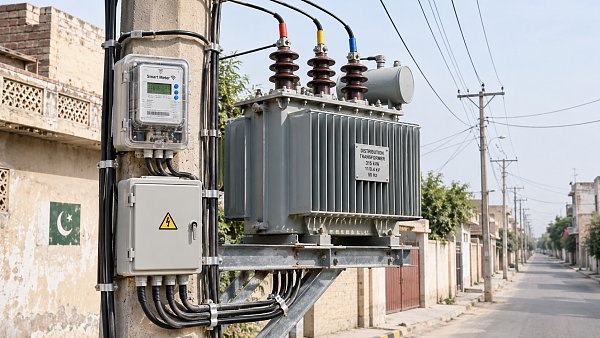
- Pakistan to Seek World Bank and ADB Funding for Smart MetersPakistan seeks World Bank and ADB funding for smart meters on distribution transformers. Explore the plan to tackle power theft and improve grid efficiency.
- What Is Precision Medicine and How Does It Guide Treatment?Discover how precision medicine uses biomarkers and genetic insights to guide treatment, where it can help, and what to ask before testing.
Fiber Laser Lead Times Pass 24 Weeks on QBH Module Constraints


The timing of the underlying disruption was not clearly specified in the source material, but the latest supply-chain brief cited by the International Photonics Association (IPA) on July 14, 2026 points to a clear shift in the fiber laser export market: average global lead times have moved beyond 24 weeks. For laser equipment exporters, module suppliers, industrial buyers, and local integration partners, this matters because the issue is no longer limited to component availability alone; it is beginning to reshape how orders are structured and where integration work is being placed.

What the latest supply update confirms
According to the IPA supply-chain commentary dated July 14, 2026, the average global delivery cycle for fiber lasers has risen to 24.3 weeks, an increase of 3.1 weeks month on month. The reported causes are the maintenance of key QBH pump module production lines at Trumpf in Germany and IPG in the United States, together with tight upstream GaAs wafer supply in China.
The same source indicates that this situation is pushing end users in Europe and the United States toward a purchasing model built around modular delivery and local integration. It also states that the trend is creating delivery pressure for Chinese exporters of complete machines while opening a new window for module-level OEM cooperation.
Where pressure is building across the value chain
Complete-machine exporters face a delivery credibility test
From an industry perspective, Chinese exporters of complete fiber laser equipment may feel the impact most directly in quotation cycles, production scheduling, and shipment commitments. When a key high-power QBH module becomes the pacing item, the business risk is not only slower dispatch but also weaker confidence in promised delivery windows.
Industrial buyers may adjust procurement structure, not just supplier choice
Analysis shows that European and U.S. end users are not described as simply reducing purchases; instead, they are shifting toward modular delivery combined with local integration. This suggests that procurement teams may place greater weight on whether a supplier can support partial shipment, staged fulfillment, and coordination with local assembly resources.
Module suppliers and OEM partners may see a narrower but clearer opening
Observably, the source points to an opportunity at the module level rather than across the whole equipment stack. For suppliers able to participate in OEM cooperation around modules, the current environment may create room for business discussions centered on compatibility, fulfillment timing, and localized integration support.
Supply-chain service providers need to watch timing and coordination risk
For companies handling sourcing, export execution, and order coordination, the issue may show up in schedule changes rather than a single disruption event. What deserves closer attention is whether lead-time extension begins to affect documentation timing, customer acceptance arrangements, and handoff planning between offshore supply and local integration teams.
What companies should monitor now
Lead-time language in contracts and quotations
Analysis shows that when average delivery cycles have already reached 24.3 weeks, quoted timelines need to be communicated with more precision. Businesses should pay close attention to whether customer-facing commitments still reflect current component constraints, especially where high-power QBH-related delivery dependencies are involved.
The shift from complete delivery to modular delivery
What deserves closer attention is the reported move by European and U.S. end users toward modular delivery plus local integration. Companies serving those markets should monitor whether customers are changing order structure, acceptance milestones, or requested scope of supply, because these changes can affect both pricing logic and execution responsibility.
Upstream dependency concentration
Observably, the current update links delivery pressure to both production-line maintenance at major overseas manufacturers and tight GaAs wafer supply in China. That combination matters because it highlights dependence across more than one supply node. Firms should therefore watch whether constraints remain concentrated in the same module category or begin to influence adjacent procurement decisions.
Customer communication and fallback planning
From a practical standpoint, exporters and suppliers should focus on how they explain delivery assumptions, alternative fulfillment structures, and local integration coordination. The issue is not only whether delays occur, but whether customers receive a workable execution path when full-system delivery becomes harder to guarantee.
Why this reads as a market signal, not yet a settled outcome
Analysis shows that the current development is best understood as a meaningful supply-chain signal rather than a final market conclusion. The confirmed facts establish a sharp extension in average fiber laser lead times and a related change in purchasing behavior among some Western end users. However, the source material does not confirm how long these constraints will persist, whether they will broaden to additional component categories, or how deeply the procurement shift will hold over time.
It is more appropriate to understand this as a live industry development that deserves continued monitoring. The key significance lies in the fact that delivery pressure is now influencing commercial structure, especially the balance between complete-machine exports and module-based cooperation.
How the development should be read at this stage
At this stage, the news should be read less as a standalone shortage story and more as an indicator that supply-side constraints are beginning to alter export execution and buyer behavior in the fiber laser market. For complete-machine exporters, the immediate issue is fulfillment pressure. For module suppliers and OEM participants, the same development may create targeted cooperation openings. The prudent conclusion is that this is a short-term operational disruption with potential longer-term implications, but it still requires follow-up verification before broader structural conclusions are made.
Basis of this article and what still needs verification
This article is based on the user-provided news title, the note that the event timing was not clearly specified, and the supplied event summary. For this type of industry update, relevant source categories would usually include industry association releases, company statements, official announcements, supply-chain briefings, authoritative media reporting, and standards-related documentation where applicable.
No specific official source link was provided in the input, so further verification remains necessary. Follow-up attention should focus on whether subsequent official statements clarify the duration of the production-line maintenance, whether upstream GaAs wafer tightness changes, and whether the modular delivery plus local integration model becomes a sustained purchasing pattern.
Recommended for You
 Digital SeaHow Does a Ballast Cleaner Screening System Separate Track Ballast?Discover how a ballast cleaner screening system separates reusable stone from fines, what affects performance, and how to assess the results.By: Captain Kenji SatoNov 14, 2026
 Smart MetersPakistan to Seek World Bank and ADB Funding for Smart MetersPakistan seeks World Bank and ADB funding for smart meters on distribution transformers. Explore the plan to tackle power theft and improve grid efficiency.By: Dr. Elena VoltNov 13, 2026
 Digital SeaWhat Is Precision Medicine and How Does It Guide Treatment?Discover how precision medicine uses biomarkers and genetic insights to guide treatment, where it can help, and what to ask before testing.By: Captain Kenji SatoNov 13, 2026
 Grid Resilience2026 CSEE Annual Meeting Opens with Focus on AI and Power SystemsThe 2026 CSEE Annual Meeting explores AI, low-carbon power systems and ultra-high-voltage transmission. Discover why these discussions matter.By: Dr. Elena VoltNov 12, 2026
 Digital SeaShip Radar Detection Range: How Far Can It See and What Limits It?Ship radar detection range depends on more than the display scale. Discover how antenna height, weather, target size, and settings affect what radar can see.By: Captain Kenji SatoNov 12, 2026
 UHV TransformersGE Vernova to Invest $34.5 Million in Louisiana Transformer Plant ExpansionGE Vernova plans a $34.5 million transformer plant expansion in Louisiana. Explore its potential impact on North American supply and procurement.By: Dr. Elena VoltNov 11, 2026
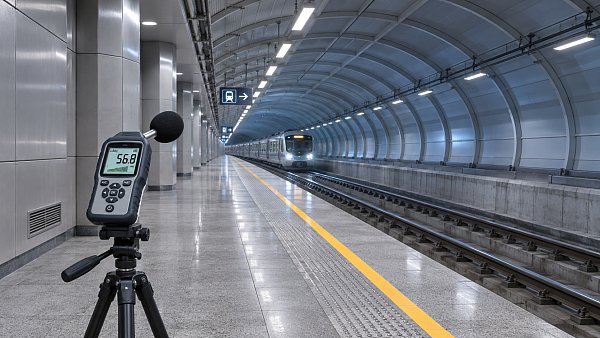
 Digital SeaMetro Station Noise Criteria: Limits and Measurement MethodsExplore metro station noise criteria, applicable limits and measurement methods. Learn how to select metrics and assess compliance with confidence.By: Captain Kenji SatoNov 11, 2026
 Digital SeaKongsberg Maritime Unveils Arctic Hunter Unmanned Surface VesselKongsberg Maritime's Arctic Hunter unmanned surface vessel is proposed for the Royal Navy's Type 92 programme. Explore its technology and procurement implications.By: Captain Kenji SatoNov 10, 2026
 Sorting RobotsHow Accurate Is AI in Food Quality Control? Metrics and Testing MethodsExplore AI in food quality control accuracy, from recall and false negatives to validation methods. Learn how to assess real-world inspection reliability.By: Marcus SterlingNov 10, 2026
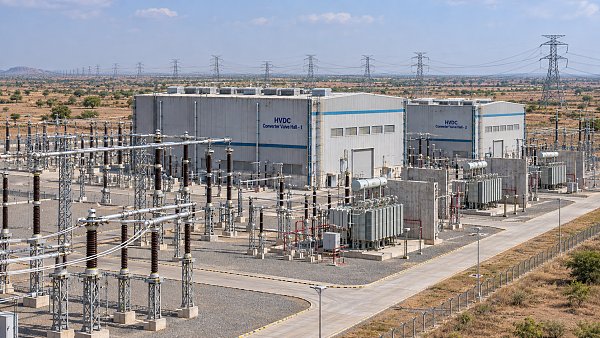
 UHV TransformersGE Vernova Selected for 6 GW HVDC Link in IndiaGE Vernova will design a 6 GW HVDC link for PGCIL, connecting Rajasthan and South Kalamb to support India's clean energy transition. Discover the project.By: Dr. Elena VoltNov 09, 2026
 Grid ResilienceEurope's Grid Compliance Standards in 2026: Generator Connection RequirementsExplore new grid compliance standards 2026 Europe projects must address, from generator connection rules to testing and documentation. Prepare for approval.By: Dr. Elena VoltNov 09, 2026
 Technical FabricsNonwoven Bonding Cost Data: Comparing Thermal and Chemical ProcessesExplore nonwoven bonding cost data to compare thermal and chemical processes, assess usable yield, and choose the best-value option for your application.By: Chloe DuboisNov 08, 2026
 Fiber LasersIndustrial Lasers to 2035: Automotive Lightweighting and Precision Welding Drive DemandExplore the industrial laser market outlook to 2035 and discover how automotive lightweighting and precision welding could shape demand and procurement.By: Dr. Hideo TanakaNov 07, 2026
 Technical FabricsChoosing Geotextile Under Railway Ballast: Key Performance RequirementsChoosing geotextile under railway ballast? Explore essential filtration, drainage, strength and durability criteria to make a confident, project-specific selection.By: Chloe DuboisNov 07, 2026
 Digital SeaChoosing Rail Welding Equipment for Maintenance: Field Conditions and Weld TypesChoose rail welding equipment for maintenance with confidence. Compare welding methods, field constraints, inspection needs, and lifecycle costs.By: Captain Kenji SatoNov 06, 2026
 Digital SeaIndia Broadband Forum Urges Stronger Submarine Cable ResilienceIndia’s submarine cable resilience is in focus as the Broadband India Forum urges faster repairs, more vessels and stronger landing infrastructure.By: Captain Kenji SatoNov 06, 2026
 Digital SeaChoosing a Railway Network Switch Supplier: Reliability and Support CriteriaChoosing a railway network switch supplier? Compare reliability, standards evidence, cybersecurity, and lifecycle support to reduce project risk.By: Captain Kenji SatoNov 05, 2026
 Grid ResilienceUS Grid Equipment Import Ban Raises Cost and Implementation ConcernsThe US grid equipment import ban raises concerns over costs and delivery delays. Explore how unclear criteria could affect procurement and supply chains.By: Dr. Elena VoltNov 05, 2026
 Digital SeaRailway Coupler Price: How Type and Specifications Affect QuotesRailway coupler price depends on type, specifications, and order scope. Learn how to compare quotes, avoid hidden costs, and make a confident buying decision.By: Captain Kenji SatoNov 04, 2026
 Grid ResilienceGlobal Smart Grid Companies Raise $3 Billion in First Nine Months of 2026Global smart grid companies raised $3 billion in the first nine months of 2026. Explore the funding breakdown and potential implications for buyers and suppliers.By: Dr. Elena VoltNov 04, 2026
 Digital SeaChoosing Wholesale Pet Toys: How to Evaluate Suppliers and Minimum OrdersWholesale pet toys: learn how to assess suppliers, compare minimum orders and landed costs, and reduce inventory risk before you buy.By: Captain Kenji SatoNov 03, 2026
 Digital SeaSustainable Packaging Design: How to Choose Materials and Reduce WasteDiscover how sustainable packaging design helps reduce waste, protect products, and control costs with practical material choices and proven testing strategies.By: Captain Kenji SatoNov 02, 2026
 Technical FabricsUSMCA's First Joint Review Puts Textile Supply Chain Rules in FocusUSMCA's first joint review puts textile supply chain rules in focus. Explore potential impacts on origin compliance, sourcing and tariff treatment.By: Chloe DuboisNov 02, 2026
 Digital SeaManufacturing KPI Benchmarking: How to Compare Production PerformanceBenchmarking KPI manufacturing performance? Learn how to compare OEE, quality and downtime, identify meaningful gaps, and turn insights into practical improvements.By: Captain Kenji SatoNov 01, 2026
 Smart MetersCCI Approves Adani Energy Solutions' ₹305 Billion Acquisition of IntelliSmartCCI approves Adani Energy Solutions' ₹305 billion acquisition of IntelliSmart. Discover what the deal could mean for India's smart meter market.By: Dr. Elena VoltNov 01, 2026
 Digital SeaChoosing a Coin Laundry Machinery OEM: What Buyers Should EvaluateChoosing a coin laundry machinery OEM? Compare machine specifications, payment integration, lifecycle costs, and support to make a confident buying decision.By: Captain Kenji SatoOct 31, 2026
 Grid ResilienceUS Energy Department Announces $237 Million Grid SCALED Funding ProgramExplore the DOE's $237 million Grid SCALED funding program and its goals to strengthen grid equipment supply chains, lower electricity costs, and improve resilience.By: Dr. Elena VoltOct 31, 2026
 UHV TransformersA Decade of UHV Power in Shandong: Province Leads in Station NumbersShandong UHV power leads China in station numbers. Explore a decade of grid development and its implications for electricity supply and business planning.By: Dr. Elena VoltOct 30, 2026
 Digital SeaChoosing a Composite Train Body Panel Manufacturer: Fire Safety and Quality ChecksChoosing a composite train body panels manufacturer? Learn how to verify fire test evidence, audit production quality, and avoid costly approval gaps before you buy.By: Captain Kenji SatoOct 29, 2026
 Subsea ROV/AUVOcean Infinity Deploys Six AUVs Together Beyond 5,000 MetresOcean Infinity reportedly deployed six HUGIN AUVs beyond 5,200 metres. Explore what concurrent deepwater missions could mean for seabed surveys and procurement.By: Captain Kenji SatoOct 29, 2026
 Grid ResilienceRenewable Energy Grid Balancing: How Storage and Demand Response Work TogetherExplore renewable energy grid balancing with storage and demand response. Learn how coordinated controls manage shortfalls, absorb surplus power, and improve grid reliability.By: Dr. Elena VoltOct 28, 2026