BDI: 1,842 ▼ 1.2%
COTTON NO.2: 84.12 ▲ 0.4%
LME COPPER: 8,432.50 ▲ 2.1%
FOOD SAFETY INDEX: 94.2 ARCHIVE_SECURED
OPTICAL INDEX: 11,204.09 STABLE
BDI: 1,842 ▼ 1.2%

SECTOR INDEX
V.24.08 ARCHIVE
Hot Articles
- Kongsberg Maritime Unveils Arctic Hunter Unmanned Surface VesselKongsberg Maritime's Arctic Hunter unmanned surface vessel is proposed for the Royal Navy's Type 92 programme. Explore its technology and procurement implications.
- How Accurate Is AI in Food Quality Control? Metrics and Testing MethodsExplore AI in food quality control accuracy, from recall and false negatives to validation methods. Learn how to assess real-world inspection reliability.
- GE Vernova Selected for 6 GW HVDC Link in IndiaGE Vernova will design a 6 GW HVDC link for PGCIL, connecting Rajasthan and South Kalamb to support India's clean energy transition. Discover the project.
Wholesale high speed train deals often fail on lifecycle cost


Wholesale high speed train deals may look attractive on upfront price, but procurement teams know the real risk lies in lifecycle cost. From energy efficiency and maintenance cycles to parts availability, compliance, and long-term fleet reliability, every decision shapes total value. This article examines why low-cost offers often underperform and how buyers can evaluate rail procurement with a more strategic, data-driven lens.
For procurement directors managing large infrastructure budgets, the headline price in a wholesale high speed train offer is only the first number that matters. Over a 20- to 35-year service life, small differences in traction efficiency, bogie wear rates, brake component intervals, diagnostic software access, and spare-part localization can change total ownership cost by millions. In cross-border sourcing, these risks increase further when contract terms, standards alignment, and service capabilities are weak.
This is where a benchmarking mindset becomes essential. In complex B2B procurement, especially in transport systems connected to power networks, digital controls, safety regimes, and long-term maintenance ecosystems, buyers need more than a low unit quote. They need evidence on lifecycle economics, technical compatibility, and operational resilience.
Why Low-Priced Wholesale High Speed Train Offers Often Lose Value Over Time
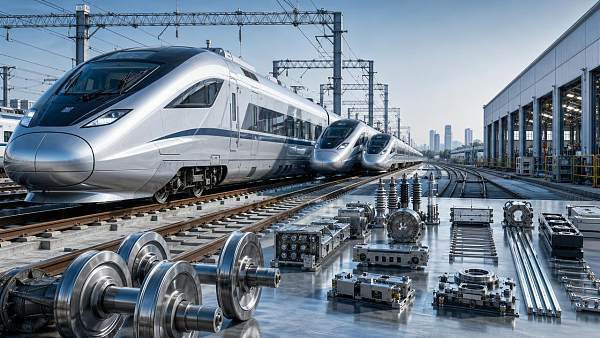
A wholesale high speed train proposal can appear highly competitive when measured only by acquisition cost per trainset. However, procurement teams usually operate under broader performance obligations: availability targets above 95%, fixed maintenance budgets, energy consumption thresholds, and regulatory compliance across multiple years. A bid that is 8% lower on purchase price may become 15% to 25% more expensive across the asset lifecycle if maintenance and downtime are not modeled properly.
Upfront savings rarely reflect full operating reality
In many rail acquisitions, the first 3 cost categories reviewed are purchase price, delivery schedule, and financing terms. Yet the largest cost drivers often emerge later: traction energy, wheel reprofiling frequency, HVAC reliability, software licensing, depot tooling, and training refresh cycles. For a fleet running 16 to 18 hours per day, even a 4% difference in energy efficiency can materially affect annual operating expenditure.
Procurement personnel should also consider how train performance degrades under local conditions. A platform designed for temperate climates may require extra intervention in corridors with dust, coastal corrosion, high humidity, or temperature swings from 5°C to 45°C. If adaptation was not engineered in the original offer, the apparent discount can disappear within the first 24 to 36 months.
Lifecycle cost is shaped by at least 6 procurement variables
Before comparing suppliers, buyers should break lifecycle cost into measurable components rather than reviewing the trainset as a single line item. This allows more objective negotiation and easier benchmarking across multiple bids.
- Acquisition price and configuration scope
- Energy consumption per seat-km or train-km
- Preventive maintenance interval, often 30,000 to 60,000 km for selected inspections
- Corrective maintenance burden and fault response time
- Spare-part lead time, often ranging from 7 days to 26 weeks depending on component criticality
- Residual value, upgrade potential, and midlife overhaul cost
When these six variables are quantified, procurement teams usually identify that a “cheap” wholesale high speed train option is only attractive in the short term. Over longer service cycles, technical support structure matters as much as engineering quality.
Common hidden cost drivers in international rail sourcing
The table below outlines frequent cost traps that distort comparisons during the tender stage. These points are especially relevant when buyers assess wholesale high speed train bids from suppliers with different service footprints, localization capabilities, and standards histories.
The key takeaway is simple: a low trainset price does not mean a low cost fleet. Procurement teams should insist on side-by-side comparison of operational assumptions, not just delivered hardware scope.
Why cross-sector benchmarking improves rail decisions
Rail procurement is no longer isolated from adjacent industrial systems. Power quality, transformer compatibility, sensor diagnostics, remote monitoring, and compliance documentation all influence service reliability. A multidisciplinary benchmarking approach, such as the one used by G-MCE across infrastructure, smart grid, and precision sensing domains, helps buyers detect risk earlier and align technical procurement with long-term operational reality.
How Procurement Teams Should Evaluate Wholesale High Speed Train Bids
A robust evaluation process should combine commercial review, technical scoring, maintenance planning, and contractual risk control. In most projects, procurement teams benefit from a 4-layer assessment model: platform performance, infrastructure compatibility, service support, and lifecycle economics. This creates a more accurate basis for supplier comparison than price-led ranking alone.
1. Define operational requirements before reviewing offers
Many sourcing failures begin when specifications are too generic. Buyers should state operating speed band, route gradient, climate range, passenger density, axle load limits, electrical interface, signaling compatibility, and target fleet availability. For example, a train intended for 250 km/h regional service has different maintenance and power requirements from one designed for 350 km/h long-haul service.
At this stage, procurement teams should also define 3 cost horizons: commissioning period, first 5 years of operation, and midlife overhaul phase. This prevents suppliers from shifting cost outside the visible tender window.
2. Compare suppliers on total cost metrics, not brochure claims
A useful wholesale high speed train evaluation framework should convert technical claims into measurable procurement indicators. That means reviewing not only speed and seating, but also interval-based maintenance, replacement frequency of wear components, software dependency, and guaranteed service response.
The following table shows a practical scoring structure procurement teams can adapt during bid review.
This type of matrix helps buyers avoid overvaluing cosmetic differences while underestimating service risk. It also creates a documented basis for procurement governance and internal approval.
3. Test maintenance assumptions before contract award
Maintenance is where many wholesale high speed train deals either prove their value or fail. Buyers should request component life assumptions, preventive maintenance schedules, depot equipment lists, technician training hours, and fault code accessibility. If the supplier quotes a lower price but requires more frequent intervention every 20,000 km instead of 40,000 km for key inspections, the maintenance labor burden can double.
Teams should verify at least 5 maintenance topics during bid clarification:
- Inspection interval for traction, braking, and bogie subsystems
- Expected life of wheels, brake pads, doors, and HVAC modules
- Availability of diagnostic software and remote support tools
- Lead time for A-class and B-class spare parts
- Required local inventory level for the first 24 months
The role of local service ecosystems
Even a technically strong train platform can become expensive if the support network is thin. Buyers should ask whether the supplier can support local assembly, regional warehousing, certified repair partners, and multi-year training. In practical terms, a 48-hour response commitment with stocked critical spares is more valuable than a broad warranty with no local execution capability.
4. Make compliance and documentation part of the commercial equation
Documentation gaps create hidden delay cost. Procurement teams should review conformity to applicable ISO, IEC, EN, or project-specific standards; interface documentation for signaling and power systems; cybersecurity expectations; and test protocols for commissioning. A wholesale high speed train package that arrives with incomplete manuals, untranslated maintenance procedures, or weak test evidence can delay acceptance by weeks or months.
A disciplined documentation package should include at minimum 4 groups of deliverables: design dossiers, test records, maintenance manuals, and spare-part catalog structure. Buyers should attach milestone dates and acceptance criteria to each group in the contract.
Practical Risk Controls for Better Rail Procurement Outcomes
Once a supplier shortlist is defined, the next step is to convert evaluation findings into contractual protection. The best procurement strategy is not simply selecting the lowest-risk offer, but structuring the deal so that technical performance, service continuity, and cost transparency remain enforceable over time.
Use milestone-based commercial controls
For large fleet programs, payment schedules should align with engineering submission, factory acceptance testing, delivery, commissioning, and reliability demonstration. A 5-stage payment structure is often more effective than front-loaded commercial terms. It gives procurement teams leverage if documentation, testing, or performance commitments are delayed.
Build availability and spare-parts clauses into the contract
A competitive wholesale high speed train deal should define measurable support metrics. These may include fleet availability targets, maximum spare-part lead times, software support turnaround, and escalation procedures for critical failures. Without these clauses, buyers may discover that after-sales support is governed only by best-effort language.
A practical framework is to distinguish at least 3 spare-part categories: emergency items required in 24 to 72 hours, operational items stocked regionally within 7 to 21 days, and strategic overhaul items planned 8 to 26 weeks in advance. This structure reduces ambiguity and improves inventory planning.
Avoid three common buyer mistakes
- Selecting by purchase price without modeling 20-year service cost
- Accepting generic maintenance promises without interval and parts data
- Overlooking infrastructure interfaces such as power quality, depot readiness, and diagnostic integration
These mistakes are especially costly in multinational projects where procurement, operations, engineering, and finance are not aligned from the start. A better process is to run a cross-functional review before final award, using technical and commercial checkpoints that reflect the real operating environment.
Why data-led sourcing supports resilience
In high-value infrastructure procurement, resilience is built through comparability, traceability, and service planning. That is why buyers increasingly rely on multi-sector intelligence rather than isolated quotations. When rail systems are assessed alongside energy infrastructure, control electronics, sensing, and industrial maintenance benchmarks, sourcing decisions become more durable and less vulnerable to hidden cost escalation.
For procurement teams, the real question is not whether a wholesale high speed train offer is cheap today, but whether it remains efficient, supportable, and compliant across decades of operation. Better decisions come from comparing lifecycle assumptions, validating maintenance models, tightening documentation requirements, and turning service commitments into contractual obligations.
G-MCE supports B2B buyers with cross-disciplinary benchmarking, standards-oriented technical review, and strategic market intelligence that connects rolling stock decisions with broader infrastructure realities. If you are evaluating wholesale high speed train sourcing options, now is the right time to request a tailored assessment, review your bid structure, and identify hidden lifecycle risks before contract award. Contact us to get a customized procurement framework, discuss technical evaluation criteria, or explore broader infrastructure sourcing solutions.
Recommended for You
 Digital SeaKongsberg Maritime Unveils Arctic Hunter Unmanned Surface VesselKongsberg Maritime's Arctic Hunter unmanned surface vessel is proposed for the Royal Navy's Type 92 programme. Explore its technology and procurement implications.By: Captain Kenji SatoNov 10, 2026
 Sorting RobotsHow Accurate Is AI in Food Quality Control? Metrics and Testing MethodsExplore AI in food quality control accuracy, from recall and false negatives to validation methods. Learn how to assess real-world inspection reliability.By: Marcus SterlingNov 10, 2026
 UHV TransformersGE Vernova Selected for 6 GW HVDC Link in IndiaGE Vernova will design a 6 GW HVDC link for PGCIL, connecting Rajasthan and South Kalamb to support India's clean energy transition. Discover the project.By: Dr. Elena VoltNov 09, 2026
 Grid ResilienceEurope's Grid Compliance Standards in 2026: Generator Connection RequirementsExplore new grid compliance standards 2026 Europe projects must address, from generator connection rules to testing and documentation. Prepare for approval.By: Dr. Elena VoltNov 09, 2026
 Technical FabricsNonwoven Bonding Cost Data: Comparing Thermal and Chemical ProcessesExplore nonwoven bonding cost data to compare thermal and chemical processes, assess usable yield, and choose the best-value option for your application.By: Chloe DuboisNov 08, 2026
 Fiber LasersIndustrial Lasers to 2035: Automotive Lightweighting and Precision Welding Drive DemandExplore the industrial laser market outlook to 2035 and discover how automotive lightweighting and precision welding could shape demand and procurement.By: Dr. Hideo TanakaNov 07, 2026
 Technical FabricsChoosing Geotextile Under Railway Ballast: Key Performance RequirementsChoosing geotextile under railway ballast? Explore essential filtration, drainage, strength and durability criteria to make a confident, project-specific selection.By: Chloe DuboisNov 07, 2026
 Digital SeaChoosing Rail Welding Equipment for Maintenance: Field Conditions and Weld TypesChoose rail welding equipment for maintenance with confidence. Compare welding methods, field constraints, inspection needs, and lifecycle costs.By: Captain Kenji SatoNov 06, 2026
 Digital SeaIndia Broadband Forum Urges Stronger Submarine Cable ResilienceIndia’s submarine cable resilience is in focus as the Broadband India Forum urges faster repairs, more vessels and stronger landing infrastructure.By: Captain Kenji SatoNov 06, 2026
 Digital SeaChoosing a Railway Network Switch Supplier: Reliability and Support CriteriaChoosing a railway network switch supplier? Compare reliability, standards evidence, cybersecurity, and lifecycle support to reduce project risk.By: Captain Kenji SatoNov 05, 2026
 Grid ResilienceUS Grid Equipment Import Ban Raises Cost and Implementation ConcernsThe US grid equipment import ban raises concerns over costs and delivery delays. Explore how unclear criteria could affect procurement and supply chains.By: Dr. Elena VoltNov 05, 2026
 Digital SeaRailway Coupler Price: How Type and Specifications Affect QuotesRailway coupler price depends on type, specifications, and order scope. Learn how to compare quotes, avoid hidden costs, and make a confident buying decision.By: Captain Kenji SatoNov 04, 2026
 Grid ResilienceGlobal Smart Grid Companies Raise $3 Billion in First Nine Months of 2026Global smart grid companies raised $3 billion in the first nine months of 2026. Explore the funding breakdown and potential implications for buyers and suppliers.By: Dr. Elena VoltNov 04, 2026
 Digital SeaChoosing Wholesale Pet Toys: How to Evaluate Suppliers and Minimum OrdersWholesale pet toys: learn how to assess suppliers, compare minimum orders and landed costs, and reduce inventory risk before you buy.By: Captain Kenji SatoNov 03, 2026
 Digital SeaSustainable Packaging Design: How to Choose Materials and Reduce WasteDiscover how sustainable packaging design helps reduce waste, protect products, and control costs with practical material choices and proven testing strategies.By: Captain Kenji SatoNov 02, 2026
 Technical FabricsUSMCA's First Joint Review Puts Textile Supply Chain Rules in FocusUSMCA's first joint review puts textile supply chain rules in focus. Explore potential impacts on origin compliance, sourcing and tariff treatment.By: Chloe DuboisNov 02, 2026
 Digital SeaManufacturing KPI Benchmarking: How to Compare Production PerformanceBenchmarking KPI manufacturing performance? Learn how to compare OEE, quality and downtime, identify meaningful gaps, and turn insights into practical improvements.By: Captain Kenji SatoNov 01, 2026
 Smart MetersCCI Approves Adani Energy Solutions' ₹305 Billion Acquisition of IntelliSmartCCI approves Adani Energy Solutions' ₹305 billion acquisition of IntelliSmart. Discover what the deal could mean for India's smart meter market.By: Dr. Elena VoltNov 01, 2026
 Digital SeaChoosing a Coin Laundry Machinery OEM: What Buyers Should EvaluateChoosing a coin laundry machinery OEM? Compare machine specifications, payment integration, lifecycle costs, and support to make a confident buying decision.By: Captain Kenji SatoOct 31, 2026
 Grid ResilienceUS Energy Department Announces $237 Million Grid SCALED Funding ProgramExplore the DOE's $237 million Grid SCALED funding program and its goals to strengthen grid equipment supply chains, lower electricity costs, and improve resilience.By: Dr. Elena VoltOct 31, 2026
 UHV TransformersA Decade of UHV Power in Shandong: Province Leads in Station NumbersShandong UHV power leads China in station numbers. Explore a decade of grid development and its implications for electricity supply and business planning.By: Dr. Elena VoltOct 30, 2026
 Digital SeaChoosing a Composite Train Body Panel Manufacturer: Fire Safety and Quality ChecksChoosing a composite train body panels manufacturer? Learn how to verify fire test evidence, audit production quality, and avoid costly approval gaps before you buy.By: Captain Kenji SatoOct 29, 2026
 Subsea ROV/AUVOcean Infinity Deploys Six AUVs Together Beyond 5,000 MetresOcean Infinity reportedly deployed six HUGIN AUVs beyond 5,200 metres. Explore what concurrent deepwater missions could mean for seabed surveys and procurement.By: Captain Kenji SatoOct 29, 2026
 Grid ResilienceRenewable Energy Grid Balancing: How Storage and Demand Response Work TogetherExplore renewable energy grid balancing with storage and demand response. Learn how coordinated controls manage shortfalls, absorb surplus power, and improve grid reliability.By: Dr. Elena VoltOct 28, 2026
 Subsea ROV/AUVSeaber Introduces 13 kg RAVEN AUV to Target Mine Countermeasure CostsSeaber’s 13 kg RAVEN AUV targets lower mine countermeasure costs with two mission configurations. Explore its potential value for naval operations and procurement.By: Captain Kenji SatoOct 28, 2026
 Digital SeaBallast Water Management Rules: IMO vs. USCG Compliance RequirementsBallast water management rules explained: compare IMO and USCG approvals, operating limits, and records. Get practical checks to reduce compliance risks and costly port delays.By: Captain Kenji SatoOct 27, 2026
 Subsea ROV/AUVEni Signs Main Cronos Contracts, Moving Gas Project into ExecutionEni’s Cronos gas project enters execution as major contracts are signed. Explore the Cyprus development, Egypt processing plans and key milestones toward first gas in 2028.By: Captain Kenji SatoOct 27, 2026
 Digital SeaBenefits of Refurbished Semiconductor Equipment: When Do Savings Justify the Risk?Explore the benefits of refurbished semiconductor equipment. Learn how to weigh savings against process risks, qualification costs, and support gaps before investing.By: Captain Kenji SatoOct 26, 2026
 Digital SeaSemiconductor Equipment Overhaul: Diagnosing Persistent Process DriftSemiconductor equipment overhaul leaving process drift unresolved? Discover how to pinpoint vacuum, sensor, thermal, and conditioning issues to restore stability and reduce repeat service calls.By: Captain Kenji SatoOct 26, 2026
 Digital SeaSemiconductor Equipment Refurbishment Process: Cleaning to QualificationExplore the semiconductor equipment refurbishment process, from precision cleaning to qualification. Learn how measurable testing helps verify production readiness and reduce risk.By: Captain Kenji SatoOct 26, 2026
 Digital SeaBidding for Offshore Decommissioning Projects: Scope and Liability ChecksBidding for offshore decommissioning projects? Discover key scope, liability, and insurance checks to avoid hidden costs, protect margins, and bid with confidence.By: Captain Kenji SatoOct 26, 2026