BDI: 1,842 ▼ 1.2%
COTTON NO.2: 84.12 ▲ 0.4%
LME COPPER: 8,432.50 ▲ 2.1%
FOOD SAFETY INDEX: 94.2 ARCHIVE_SECURED
OPTICAL INDEX: 11,204.09 STABLE
BDI: 1,842 ▼ 1.2%

SECTOR INDEX
V.24.08 ARCHIVE
Hot Articles
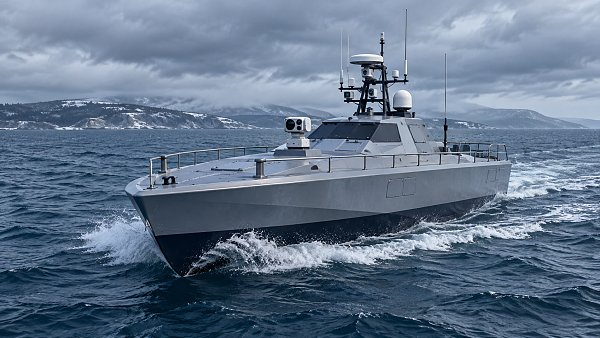
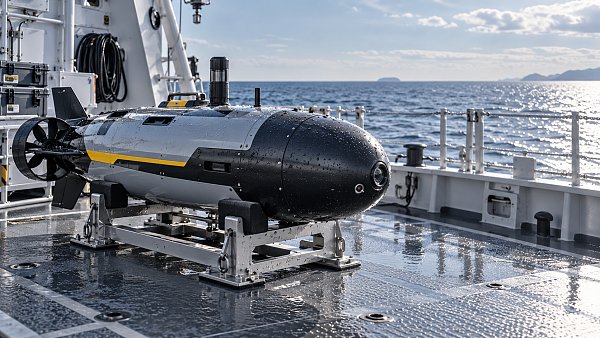
- Kongsberg Maritime Unveils Arctic Hunter Unmanned Surface VesselKongsberg Maritime's Arctic Hunter unmanned surface vessel is proposed for the Royal Navy's Type 92 programme. Explore its technology and procurement implications.
- How Accurate Is AI in Food Quality Control? Metrics and Testing MethodsExplore AI in food quality control accuracy, from recall and false negatives to validation methods. Learn how to assess real-world inspection reliability.
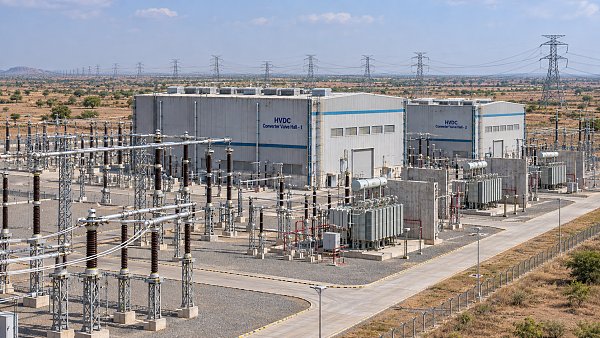
- GE Vernova Selected for 6 GW HVDC Link in IndiaGE Vernova will design a 6 GW HVDC link for PGCIL, connecting Rajasthan and South Kalamb to support India's clean energy transition. Discover the project.
What defines a reliable rail welding equipment supplier today?


In today’s rail infrastructure market, choosing a reliable rail welding equipment supplier means looking beyond price and basic product claims. Technical evaluators need verified performance data, compliance with international standards, after-sales support, and proven application experience in demanding field conditions. This article explores the key factors that define supplier reliability and how to assess long-term value with greater confidence.
Why a checklist matters when selecting a rail welding equipment supplier

Rail welding equipment affects weld integrity, track availability, maintenance cycles, and safety outcomes. A weak supplier evaluation can create hidden costs long after the purchase order is signed.
A checklist-based review reduces subjective judgment. It helps compare each rail welding equipment supplier on measurable criteria, not on brochures, discounts, or generic promises.
This matters across the broader industrial landscape as well. In complex B2B sourcing, reliability comes from traceable standards, field evidence, service capacity, and documented process control.
Core checklist: what defines a reliable rail welding equipment supplier today
- Verify compliance with recognized standards, including applicable ISO, EN, ASTM, or railway authority specifications, and request test records linked to actual equipment models.
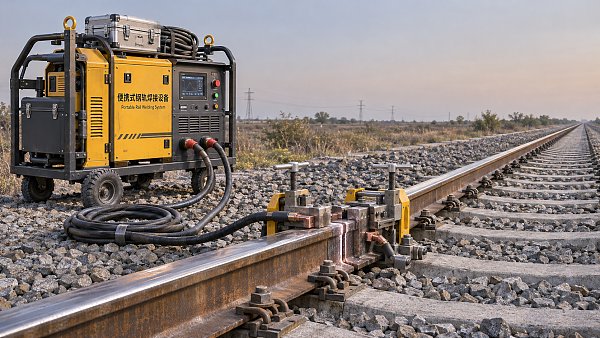
- Check welding process capability for flash-butt, thermite support, grinding integration, alignment control, and heat input consistency under field and depot conditions.
- Request traceable performance data, such as weld acceptance rate, cycle time, repeatability, power stability, and defect frequency across multiple rail grades.
- Examine application history in comparable environments, including heavy-haul corridors, urban transit systems, high-speed lines, turnouts, and difficult weather conditions.
- Assess engineering depth by reviewing machine drawings, control logic, calibration methods, clamping force management, and upset parameter adjustment capability.
- Confirm after-sales readiness through spare parts availability, remote diagnostics, field commissioning, operator training, and guaranteed service response timelines.
- Inspect quality assurance systems covering incoming materials, electrical assemblies, hydraulic units, software validation, final testing, and shipment inspection records.
- Review safety design features, including emergency stop layout, insulation protection, temperature monitoring, fault alarms, and compliance with local site safety rules.
- Evaluate lifecycle cost instead of purchase price alone by comparing consumables, maintenance intervals, energy demand, downtime risk, and upgrade potential.
- Ask for reference projects, trial weld procedures, and sample reports that prove the rail welding equipment supplier can support validation before full deployment.
Technical proof should come before commercial claims
A dependable rail welding equipment supplier should provide more than catalog data. Useful proof includes destructive test results, ultrasonic inspection records, weld geometry checks, and parameter logs.
Suppliers that understand industrial benchmarking usually present data in a structured way. That makes cross-comparison easier and lowers the risk of specification gaps during approval.
Service capability is part of product reliability
Even well-built machines need calibration, software updates, hydraulic maintenance, and operator retraining. Reliability therefore includes support infrastructure, not only machine construction.
A qualified rail welding equipment supplier should define parts lead times, service escalation paths, and technician availability in writing. Verbal assurances are not enough.
How supplier reliability changes by application scenario
Heavy-haul and freight networks
Heavy axle loads demand strong weld consistency and low defect rates. Equipment must manage harder rail profiles and maintain stable alignment during repeated production cycles.
In this setting, the right rail welding equipment supplier demonstrates long-term performance data, not just initial commissioning success. Fatigue resistance and repeatability matter most.
Urban transit and metro maintenance
Metro projects often work within short possession windows, tight tunnels, and noise-sensitive areas. Compact design, fast setup, and controllable operating procedures become critical.
A reliable supplier in this scenario offers efficient training, rapid fault diagnosis, and machine configurations suited to constrained access rather than generic rail workshop layouts.
High-speed rail and premium track systems
High-speed applications place tighter demands on weld geometry, smoothness, and process control. Documentation quality is often as important as physical machine output.
Here, a strong rail welding equipment supplier should support qualification procedures, process traceability, and detailed records for acceptance by strict infrastructure standards.
Commonly overlooked risks when reviewing a rail welding equipment supplier
Overlooking parameter transparency
Some suppliers promote automation but restrict access to welding parameters. That limits troubleshooting, independent verification, and process optimization after installation.
Ignoring environmental adaptation
Equipment proven in a factory may behave differently in dust, rain, heat, or unstable power conditions. Environmental suitability should be tested, not assumed.
Focusing only on machine price
A lower initial quote can hide higher downtime, difficult maintenance, or imported spare parts delays. Total ownership cost gives a more accurate decision basis.
Skipping reference validation
Reference lists look impressive, but they should be checked for project type, rail section, operating region, and actual support quality after delivery.
Undervaluing documentation quality
Incomplete manuals, weak maintenance instructions, or unclear acceptance protocols create long-term execution risk. Documentation reflects the maturity of the supplier’s systems.
Practical steps to evaluate suppliers with more confidence
- Build a weighted scorecard covering standards compliance, test evidence, field references, service terms, safety design, and lifecycle cost.
- Request a documented factory acceptance test and compare the results with stated production tolerances and operational claims.
- Ask for trial weld samples on target rail grades, then verify mechanical and non-destructive test outcomes through an agreed protocol.
- Review spare parts strategy early, including critical components, local stock options, and expected lead times for shutdown-sensitive items.
- Confirm whether the rail welding equipment supplier can support installation, training, audits, software updates, and future process adjustments.
It is also useful to compare supplier claims against broader industrial intelligence. Cross-sector benchmarking often reveals whether a company truly follows robust engineering and compliance practices.
Conclusion: choose evidence, service depth, and lifecycle value
What defines a reliable rail welding equipment supplier today is not a single feature. It is the combination of verified technical performance, standards alignment, application experience, and support capability.
The strongest decisions come from structured evaluation. Use a checklist, demand traceable proof, test real operating conditions, and compare lifecycle value rather than headline price.
When the next review begins, start by gathering standards documents, sample weld reports, service commitments, and field references. That step will quickly separate a credible rail welding equipment supplier from a risky one.
Recommended for You
 Digital SeaKongsberg Maritime Unveils Arctic Hunter Unmanned Surface VesselKongsberg Maritime's Arctic Hunter unmanned surface vessel is proposed for the Royal Navy's Type 92 programme. Explore its technology and procurement implications.By: Captain Kenji SatoNov 10, 2026
 Sorting RobotsHow Accurate Is AI in Food Quality Control? Metrics and Testing MethodsExplore AI in food quality control accuracy, from recall and false negatives to validation methods. Learn how to assess real-world inspection reliability.By: Marcus SterlingNov 10, 2026
 UHV TransformersGE Vernova Selected for 6 GW HVDC Link in IndiaGE Vernova will design a 6 GW HVDC link for PGCIL, connecting Rajasthan and South Kalamb to support India's clean energy transition. Discover the project.By: Dr. Elena VoltNov 09, 2026
 Grid ResilienceEurope's Grid Compliance Standards in 2026: Generator Connection RequirementsExplore new grid compliance standards 2026 Europe projects must address, from generator connection rules to testing and documentation. Prepare for approval.By: Dr. Elena VoltNov 09, 2026
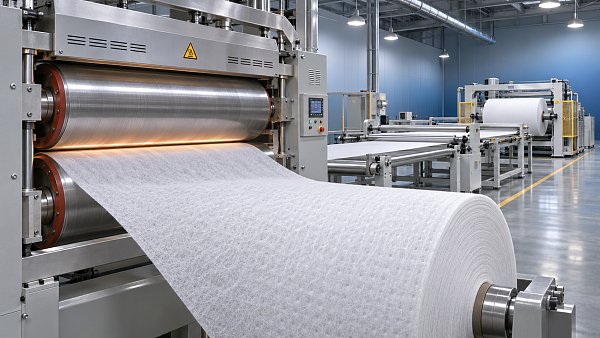
 Technical FabricsNonwoven Bonding Cost Data: Comparing Thermal and Chemical ProcessesExplore nonwoven bonding cost data to compare thermal and chemical processes, assess usable yield, and choose the best-value option for your application.By: Chloe DuboisNov 08, 2026
 Fiber LasersIndustrial Lasers to 2035: Automotive Lightweighting and Precision Welding Drive DemandExplore the industrial laser market outlook to 2035 and discover how automotive lightweighting and precision welding could shape demand and procurement.By: Dr. Hideo TanakaNov 07, 2026
 Technical FabricsChoosing Geotextile Under Railway Ballast: Key Performance RequirementsChoosing geotextile under railway ballast? Explore essential filtration, drainage, strength and durability criteria to make a confident, project-specific selection.By: Chloe DuboisNov 07, 2026
 Digital SeaChoosing Rail Welding Equipment for Maintenance: Field Conditions and Weld TypesChoose rail welding equipment for maintenance with confidence. Compare welding methods, field constraints, inspection needs, and lifecycle costs.By: Captain Kenji SatoNov 06, 2026
 Digital SeaIndia Broadband Forum Urges Stronger Submarine Cable ResilienceIndia’s submarine cable resilience is in focus as the Broadband India Forum urges faster repairs, more vessels and stronger landing infrastructure.By: Captain Kenji SatoNov 06, 2026
 Digital SeaChoosing a Railway Network Switch Supplier: Reliability and Support CriteriaChoosing a railway network switch supplier? Compare reliability, standards evidence, cybersecurity, and lifecycle support to reduce project risk.By: Captain Kenji SatoNov 05, 2026
 Grid ResilienceUS Grid Equipment Import Ban Raises Cost and Implementation ConcernsThe US grid equipment import ban raises concerns over costs and delivery delays. Explore how unclear criteria could affect procurement and supply chains.By: Dr. Elena VoltNov 05, 2026
 Digital SeaRailway Coupler Price: How Type and Specifications Affect QuotesRailway coupler price depends on type, specifications, and order scope. Learn how to compare quotes, avoid hidden costs, and make a confident buying decision.By: Captain Kenji SatoNov 04, 2026
 Grid ResilienceGlobal Smart Grid Companies Raise $3 Billion in First Nine Months of 2026Global smart grid companies raised $3 billion in the first nine months of 2026. Explore the funding breakdown and potential implications for buyers and suppliers.By: Dr. Elena VoltNov 04, 2026
 Digital SeaChoosing Wholesale Pet Toys: How to Evaluate Suppliers and Minimum OrdersWholesale pet toys: learn how to assess suppliers, compare minimum orders and landed costs, and reduce inventory risk before you buy.By: Captain Kenji SatoNov 03, 2026
 Digital SeaSustainable Packaging Design: How to Choose Materials and Reduce WasteDiscover how sustainable packaging design helps reduce waste, protect products, and control costs with practical material choices and proven testing strategies.By: Captain Kenji SatoNov 02, 2026
 Technical FabricsUSMCA's First Joint Review Puts Textile Supply Chain Rules in FocusUSMCA's first joint review puts textile supply chain rules in focus. Explore potential impacts on origin compliance, sourcing and tariff treatment.By: Chloe DuboisNov 02, 2026
 Digital SeaManufacturing KPI Benchmarking: How to Compare Production PerformanceBenchmarking KPI manufacturing performance? Learn how to compare OEE, quality and downtime, identify meaningful gaps, and turn insights into practical improvements.By: Captain Kenji SatoNov 01, 2026
 Smart MetersCCI Approves Adani Energy Solutions' ₹305 Billion Acquisition of IntelliSmartCCI approves Adani Energy Solutions' ₹305 billion acquisition of IntelliSmart. Discover what the deal could mean for India's smart meter market.By: Dr. Elena VoltNov 01, 2026
 Digital SeaChoosing a Coin Laundry Machinery OEM: What Buyers Should EvaluateChoosing a coin laundry machinery OEM? Compare machine specifications, payment integration, lifecycle costs, and support to make a confident buying decision.By: Captain Kenji SatoOct 31, 2026
 Grid ResilienceUS Energy Department Announces $237 Million Grid SCALED Funding ProgramExplore the DOE's $237 million Grid SCALED funding program and its goals to strengthen grid equipment supply chains, lower electricity costs, and improve resilience.By: Dr. Elena VoltOct 31, 2026
 UHV TransformersA Decade of UHV Power in Shandong: Province Leads in Station NumbersShandong UHV power leads China in station numbers. Explore a decade of grid development and its implications for electricity supply and business planning.By: Dr. Elena VoltOct 30, 2026
 Digital SeaChoosing a Composite Train Body Panel Manufacturer: Fire Safety and Quality ChecksChoosing a composite train body panels manufacturer? Learn how to verify fire test evidence, audit production quality, and avoid costly approval gaps before you buy.By: Captain Kenji SatoOct 29, 2026
 Subsea ROV/AUVOcean Infinity Deploys Six AUVs Together Beyond 5,000 MetresOcean Infinity reportedly deployed six HUGIN AUVs beyond 5,200 metres. Explore what concurrent deepwater missions could mean for seabed surveys and procurement.By: Captain Kenji SatoOct 29, 2026
 Grid ResilienceRenewable Energy Grid Balancing: How Storage and Demand Response Work TogetherExplore renewable energy grid balancing with storage and demand response. Learn how coordinated controls manage shortfalls, absorb surplus power, and improve grid reliability.By: Dr. Elena VoltOct 28, 2026
 Subsea ROV/AUVSeaber Introduces 13 kg RAVEN AUV to Target Mine Countermeasure CostsSeaber’s 13 kg RAVEN AUV targets lower mine countermeasure costs with two mission configurations. Explore its potential value for naval operations and procurement.By: Captain Kenji SatoOct 28, 2026
 Digital SeaBallast Water Management Rules: IMO vs. USCG Compliance RequirementsBallast water management rules explained: compare IMO and USCG approvals, operating limits, and records. Get practical checks to reduce compliance risks and costly port delays.By: Captain Kenji SatoOct 27, 2026
 Subsea ROV/AUVEni Signs Main Cronos Contracts, Moving Gas Project into ExecutionEni’s Cronos gas project enters execution as major contracts are signed. Explore the Cyprus development, Egypt processing plans and key milestones toward first gas in 2028.By: Captain Kenji SatoOct 27, 2026
 Digital SeaBenefits of Refurbished Semiconductor Equipment: When Do Savings Justify the Risk?Explore the benefits of refurbished semiconductor equipment. Learn how to weigh savings against process risks, qualification costs, and support gaps before investing.By: Captain Kenji SatoOct 26, 2026
 Digital SeaSemiconductor Equipment Overhaul: Diagnosing Persistent Process DriftSemiconductor equipment overhaul leaving process drift unresolved? Discover how to pinpoint vacuum, sensor, thermal, and conditioning issues to restore stability and reduce repeat service calls.By: Captain Kenji SatoOct 26, 2026
 Digital SeaSemiconductor Equipment Refurbishment Process: Cleaning to QualificationExplore the semiconductor equipment refurbishment process, from precision cleaning to qualification. Learn how measurable testing helps verify production readiness and reduce risk.By: Captain Kenji SatoOct 26, 2026
 Digital SeaBidding for Offshore Decommissioning Projects: Scope and Liability ChecksBidding for offshore decommissioning projects? Discover key scope, liability, and insurance checks to avoid hidden costs, protect margins, and bid with confidence.By: Captain Kenji SatoOct 26, 2026