BDI: 1,842 ▼ 1.2%
COTTON NO.2: 84.12 ▲ 0.4%
LME COPPER: 8,432.50 ▲ 2.1%
FOOD SAFETY INDEX: 94.2 ARCHIVE_SECURED
OPTICAL INDEX: 11,204.09 STABLE
BDI: 1,842 ▼ 1.2%

SECTOR INDEX
V.24.08 ARCHIVE
Hot Articles
- Metro Station Noise Criteria: Limits and Measurement MethodsExplore metro station noise criteria, applicable limits and measurement methods. Learn how to select metrics and assess compliance with confidence.
- Kongsberg Maritime Unveils Arctic Hunter Unmanned Surface VesselKongsberg Maritime's Arctic Hunter unmanned surface vessel is proposed for the Royal Navy's Type 92 programme. Explore its technology and procurement implications.
- How Accurate Is AI in Food Quality Control? Metrics and Testing MethodsExplore AI in food quality control accuracy, from recall and false negatives to validation methods. Learn how to assess real-world inspection reliability.
A-Share Market Surges; Sorting Robots, Lumen Vision Lead Gains


On May 12, 2026, the A-share market posted a volume-increased rally, with the Wind China All-A Index approaching its historical high. Notably, stocks in the Sorting Robots and Lumen Vision sectors—including suppliers of visual positioning modules and high-speed sorting algorithm services—rose 4.2% in a single day, marking a year-to-date peak. This movement signals heightened international market expectations for AI-driven industrial vision solutions, particularly amid expanding electronics contract manufacturing in Southeast Asia and logistics hub development in the Middle East—both driving visible upward momentum in Chinese export orders for related modules.
Event Overview
On May 12, 2026, the A-share market experienced a broad-based, volume-backed advance. The Wind China All-A Index neared its all-time high. Within this rally, the Sorting Robots and Lumen Vision segment—including companies providing visual positioning modules and high-speed parcel sorting algorithm services—recorded a 4.2% one-day gain, the highest intraday rise for the sector so far in 2026. This performance reflects investor anticipation of rising global demand for AI-powered industrial vision systems, supported by observable export order visibility from Southeast Asian electronics assembly facilities and Middle Eastern logistics distribution centers.
Industries Affected
Direct Exporters of Visual Positioning Modules
These firms supply core hardware components used in automated sorting systems. Their exposure to Southeast Asian electronics OEMs and Middle Eastern logistics infrastructure projects means revenue visibility has improved. Impact manifests primarily through short-term order pipeline strengthening and potential pricing power in Q2–Q3 2026 negotiations.
Algorithm & Software Service Providers for High-Speed Sorting
Firms delivering real-time image recognition, trajectory prediction, and dynamic routing logic saw equity valuation uplift aligned with hardware peers. Since their solutions are embedded in turnkey sorting deployments, increased hardware adoption implies higher integration and licensing opportunities—especially where regional logistics hubs require localized deployment support.
Contract Manufacturers Integrating Vision Systems
OEM/ODM producers serving multinational logistics equipment brands may face intensified sourcing scrutiny for certified vision submodules. The rally suggests growing buyer emphasis on AI-ready optical sensing capabilities—potentially accelerating qualification timelines and shifting component selection criteria toward vendors with validated field performance in high-throughput environments.
Logistics Infrastructure Developers (Regional)
Entities building or upgrading sorting hubs in Southeast Asia and the Middle East—particularly those procuring full-stack automation—may experience tightening lead times for vision-integrated subsystems. Early-stage procurement planning now carries higher strategic weight, as capacity constraints could emerge if export order acceleration persists beyond current visibility windows.
What Relevant Companies or Practitioners Should Monitor and Do
Track official trade data releases for module-level export figures
Current order visibility is anecdotal and market-driven; actual shipment volumes for visual positioning modules and sorting algorithm licenses will be confirmed via customs statistics (e.g., HS codes 8543.70 and 8523.51). Watch for May–June 2026 updates from China’s General Administration of Customs and ASEAN trade portals.
Monitor tender specifications from key logistics hub projects
Focus on technical annexes in RFPs issued by Dubai Logistics City, Singapore’s Tuas Port expansion, and Vietnam’s Ho Chi Minh City smart logistics zone—specifically clauses referencing real-time object classification latency, ambient light robustness, and API compatibility with WMS/TMS platforms.
Distinguish between investor sentiment and operational readiness
The equity rally reflects forward-looking demand assumptions—not yet realized revenue. Firms should avoid scaling production or hiring before verifying firm purchase orders or milestone-based contracts, especially given regional payment term variability and project-phase dependencies.
Pre-validate supply chain resilience for optical sensor components
Key subcomponents—including CMOS image sensors, FPGA controllers, and precision lens assemblies—are subject to multi-tier sourcing constraints. Companies preparing for potential order acceleration should audit alternative supplier qualifications and test lead time buffers for critical BOM items ahead of Q3 2026.
Editorial Perspective / Industry Observation
Observably, this rally functions less as a completed market shift and more as a sentiment inflection point: it confirms that AI-enabled industrial vision is transitioning from niche pilot deployment to infrastructure-grade procurement consideration across emerging logistics corridors. Analysis shows the timing aligns with publicly announced capex cycles—not speculative buildup. However, sustained traction depends on two factors yet unconfirmed: (1) whether export order visibility converts into quarterly revenue growth above 15% YoY in H2 2026, and (2) whether regional logistics operators begin standardizing vision system interoperability protocols—a prerequisite for scalable vendor adoption. For now, the event is best understood as an early signal of structural demand inflection, not yet a self-sustaining trend.
This development underscores how regional infrastructure investment patterns—rather than pure technology novelty—are now shaping valuation drivers for industrial AI enablers. It highlights the growing linkage between physical logistics expansion and upstream semiconductor, optics, and software stack demand. Current interpretation should emphasize measured responsiveness over reactive scaling: visibility exists, but execution risk remains distributed across cross-border logistics, certification timelines, and integration complexity.
Information Source: Public market data (Wind Financial Terminal), confirmed sector classification (Sorting Robots, Lumen Vision), and documented export order visibility referenced in corporate earnings call summaries and regional logistics development announcements as of May 12, 2026. Ongoing observation is warranted for actual customs export data (HS code-level) and tender award disclosures from Southeast Asian and Middle Eastern infrastructure authorities.
Recommended for You
 Digital SeaMetro Station Noise Criteria: Limits and Measurement MethodsExplore metro station noise criteria, applicable limits and measurement methods. Learn how to select metrics and assess compliance with confidence.By: Captain Kenji SatoNov 11, 2026
 Digital SeaKongsberg Maritime Unveils Arctic Hunter Unmanned Surface VesselKongsberg Maritime's Arctic Hunter unmanned surface vessel is proposed for the Royal Navy's Type 92 programme. Explore its technology and procurement implications.By: Captain Kenji SatoNov 10, 2026
 Sorting RobotsHow Accurate Is AI in Food Quality Control? Metrics and Testing MethodsExplore AI in food quality control accuracy, from recall and false negatives to validation methods. Learn how to assess real-world inspection reliability.By: Marcus SterlingNov 10, 2026
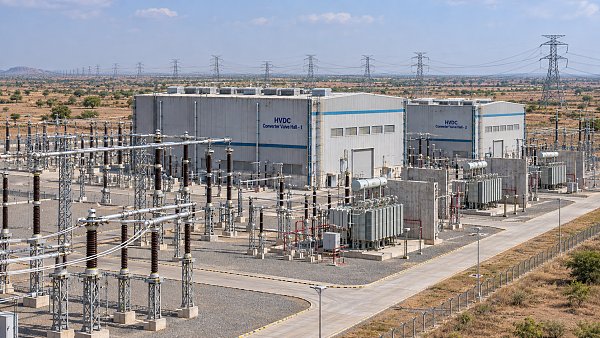
 UHV TransformersGE Vernova Selected for 6 GW HVDC Link in IndiaGE Vernova will design a 6 GW HVDC link for PGCIL, connecting Rajasthan and South Kalamb to support India's clean energy transition. Discover the project.By: Dr. Elena VoltNov 09, 2026
 Grid ResilienceEurope's Grid Compliance Standards in 2026: Generator Connection RequirementsExplore new grid compliance standards 2026 Europe projects must address, from generator connection rules to testing and documentation. Prepare for approval.By: Dr. Elena VoltNov 09, 2026
 Technical FabricsNonwoven Bonding Cost Data: Comparing Thermal and Chemical ProcessesExplore nonwoven bonding cost data to compare thermal and chemical processes, assess usable yield, and choose the best-value option for your application.By: Chloe DuboisNov 08, 2026
 Fiber LasersIndustrial Lasers to 2035: Automotive Lightweighting and Precision Welding Drive DemandExplore the industrial laser market outlook to 2035 and discover how automotive lightweighting and precision welding could shape demand and procurement.By: Dr. Hideo TanakaNov 07, 2026
 Technical FabricsChoosing Geotextile Under Railway Ballast: Key Performance RequirementsChoosing geotextile under railway ballast? Explore essential filtration, drainage, strength and durability criteria to make a confident, project-specific selection.By: Chloe DuboisNov 07, 2026
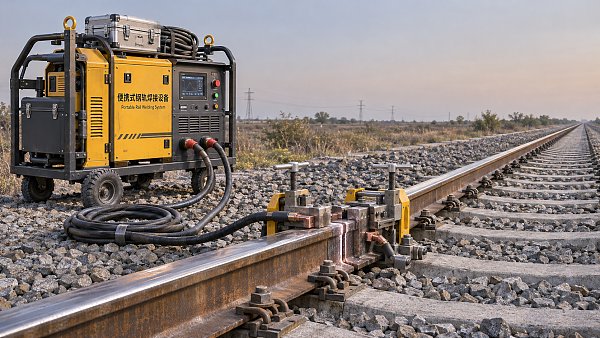
 Digital SeaChoosing Rail Welding Equipment for Maintenance: Field Conditions and Weld TypesChoose rail welding equipment for maintenance with confidence. Compare welding methods, field constraints, inspection needs, and lifecycle costs.By: Captain Kenji SatoNov 06, 2026
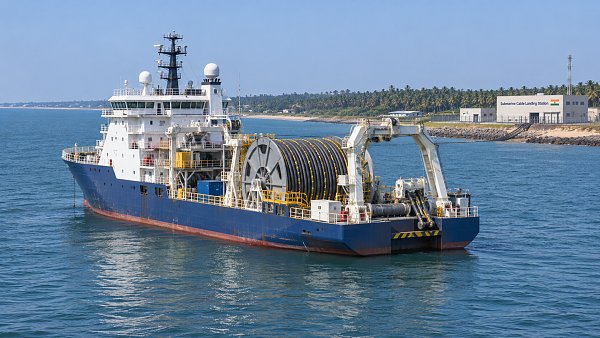
 Digital SeaIndia Broadband Forum Urges Stronger Submarine Cable ResilienceIndia’s submarine cable resilience is in focus as the Broadband India Forum urges faster repairs, more vessels and stronger landing infrastructure.By: Captain Kenji SatoNov 06, 2026
 Digital SeaChoosing a Railway Network Switch Supplier: Reliability and Support CriteriaChoosing a railway network switch supplier? Compare reliability, standards evidence, cybersecurity, and lifecycle support to reduce project risk.By: Captain Kenji SatoNov 05, 2026
 Grid ResilienceUS Grid Equipment Import Ban Raises Cost and Implementation ConcernsThe US grid equipment import ban raises concerns over costs and delivery delays. Explore how unclear criteria could affect procurement and supply chains.By: Dr. Elena VoltNov 05, 2026
 Digital SeaRailway Coupler Price: How Type and Specifications Affect QuotesRailway coupler price depends on type, specifications, and order scope. Learn how to compare quotes, avoid hidden costs, and make a confident buying decision.By: Captain Kenji SatoNov 04, 2026
 Grid ResilienceGlobal Smart Grid Companies Raise $3 Billion in First Nine Months of 2026Global smart grid companies raised $3 billion in the first nine months of 2026. Explore the funding breakdown and potential implications for buyers and suppliers.By: Dr. Elena VoltNov 04, 2026
 Digital SeaChoosing Wholesale Pet Toys: How to Evaluate Suppliers and Minimum OrdersWholesale pet toys: learn how to assess suppliers, compare minimum orders and landed costs, and reduce inventory risk before you buy.By: Captain Kenji SatoNov 03, 2026
 Digital SeaSustainable Packaging Design: How to Choose Materials and Reduce WasteDiscover how sustainable packaging design helps reduce waste, protect products, and control costs with practical material choices and proven testing strategies.By: Captain Kenji SatoNov 02, 2026
 Technical FabricsUSMCA's First Joint Review Puts Textile Supply Chain Rules in FocusUSMCA's first joint review puts textile supply chain rules in focus. Explore potential impacts on origin compliance, sourcing and tariff treatment.By: Chloe DuboisNov 02, 2026
 Digital SeaManufacturing KPI Benchmarking: How to Compare Production PerformanceBenchmarking KPI manufacturing performance? Learn how to compare OEE, quality and downtime, identify meaningful gaps, and turn insights into practical improvements.By: Captain Kenji SatoNov 01, 2026
 Smart MetersCCI Approves Adani Energy Solutions' ₹305 Billion Acquisition of IntelliSmartCCI approves Adani Energy Solutions' ₹305 billion acquisition of IntelliSmart. Discover what the deal could mean for India's smart meter market.By: Dr. Elena VoltNov 01, 2026
 Digital SeaChoosing a Coin Laundry Machinery OEM: What Buyers Should EvaluateChoosing a coin laundry machinery OEM? Compare machine specifications, payment integration, lifecycle costs, and support to make a confident buying decision.By: Captain Kenji SatoOct 31, 2026
 Grid ResilienceUS Energy Department Announces $237 Million Grid SCALED Funding ProgramExplore the DOE's $237 million Grid SCALED funding program and its goals to strengthen grid equipment supply chains, lower electricity costs, and improve resilience.By: Dr. Elena VoltOct 31, 2026
 UHV TransformersA Decade of UHV Power in Shandong: Province Leads in Station NumbersShandong UHV power leads China in station numbers. Explore a decade of grid development and its implications for electricity supply and business planning.By: Dr. Elena VoltOct 30, 2026
 Digital SeaChoosing a Composite Train Body Panel Manufacturer: Fire Safety and Quality ChecksChoosing a composite train body panels manufacturer? Learn how to verify fire test evidence, audit production quality, and avoid costly approval gaps before you buy.By: Captain Kenji SatoOct 29, 2026
 Subsea ROV/AUVOcean Infinity Deploys Six AUVs Together Beyond 5,000 MetresOcean Infinity reportedly deployed six HUGIN AUVs beyond 5,200 metres. Explore what concurrent deepwater missions could mean for seabed surveys and procurement.By: Captain Kenji SatoOct 29, 2026
 Grid ResilienceRenewable Energy Grid Balancing: How Storage and Demand Response Work TogetherExplore renewable energy grid balancing with storage and demand response. Learn how coordinated controls manage shortfalls, absorb surplus power, and improve grid reliability.By: Dr. Elena VoltOct 28, 2026
 Subsea ROV/AUVSeaber Introduces 13 kg RAVEN AUV to Target Mine Countermeasure CostsSeaber’s 13 kg RAVEN AUV targets lower mine countermeasure costs with two mission configurations. Explore its potential value for naval operations and procurement.By: Captain Kenji SatoOct 28, 2026
 Digital SeaBallast Water Management Rules: IMO vs. USCG Compliance RequirementsBallast water management rules explained: compare IMO and USCG approvals, operating limits, and records. Get practical checks to reduce compliance risks and costly port delays.By: Captain Kenji SatoOct 27, 2026
 Subsea ROV/AUVEni Signs Main Cronos Contracts, Moving Gas Project into ExecutionEni’s Cronos gas project enters execution as major contracts are signed. Explore the Cyprus development, Egypt processing plans and key milestones toward first gas in 2028.By: Captain Kenji SatoOct 27, 2026
 Digital SeaBenefits of Refurbished Semiconductor Equipment: When Do Savings Justify the Risk?Explore the benefits of refurbished semiconductor equipment. Learn how to weigh savings against process risks, qualification costs, and support gaps before investing.By: Captain Kenji SatoOct 26, 2026
 Digital SeaSemiconductor Equipment Overhaul: Diagnosing Persistent Process DriftSemiconductor equipment overhaul leaving process drift unresolved? Discover how to pinpoint vacuum, sensor, thermal, and conditioning issues to restore stability and reduce repeat service calls.By: Captain Kenji SatoOct 26, 2026
 Digital SeaSemiconductor Equipment Refurbishment Process: Cleaning to QualificationExplore the semiconductor equipment refurbishment process, from precision cleaning to qualification. Learn how measurable testing helps verify production readiness and reduce risk.By: Captain Kenji SatoOct 26, 2026