BDI: 1,842 ▼ 1.2%
COTTON NO.2: 84.12 ▲ 0.4%
LME COPPER: 8,432.50 ▲ 2.1%
FOOD SAFETY INDEX: 94.2 ARCHIVE_SECURED
OPTICAL INDEX: 11,204.09 STABLE
BDI: 1,842 ▼ 1.2%

SECTOR INDEX
V.24.08 ARCHIVE
Hot Articles
- Kongsberg Maritime Unveils Arctic Hunter Unmanned Surface VesselKongsberg Maritime's Arctic Hunter unmanned surface vessel is proposed for the Royal Navy's Type 92 programme. Explore its technology and procurement implications.
- How Accurate Is AI in Food Quality Control? Metrics and Testing MethodsExplore AI in food quality control accuracy, from recall and false negatives to validation methods. Learn how to assess real-world inspection reliability.
- GE Vernova Selected for 6 GW HVDC Link in IndiaGE Vernova will design a 6 GW HVDC link for PGCIL, connecting Rajasthan and South Kalamb to support India's clean energy transition. Discover the project.
Track Geometry Car Price Explained: What Affects Cost and What Buyers Should Compare


Track Geometry Car Price: why do quotes vary so much?
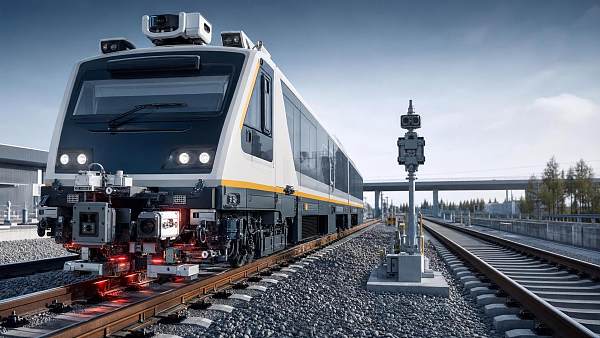
Track geometry car price often looks inconsistent at first glance. One proposal may appear reasonable, while another seems dramatically higher for a similar platform.
The gap usually comes from measurement scope, not just vehicle size. A basic inspection unit and a fully integrated diagnostic platform are different purchases.
In practice, buyers are paying for accuracy, stability, software depth, compliance evidence, and support over years of operation.
That matters because rail inspection assets sit inside a broader infrastructure ecosystem. Data quality influences maintenance timing, safety decisions, and network availability.
A narrow price comparison can therefore lead to a weak procurement result. A lower bid may still produce higher total cost through recalibration, limited analytics, or poor interoperability.
Viewed through the kind of cross-sector benchmarking used by G-MCE, this is familiar. High-value equipment in power, optics, maritime, and rail is rarely judged well by sticker price alone.
So the more useful question is not simply, “What is the track geometry car price?” It is, “What exactly is included, and what operational risk does that price remove?”
What is normally included in a track geometry car price?
A complete quote should cover far more than the rolling platform. The onboard measurement architecture is usually the largest driver of price variation.
Core systems often include inertial measurement units, laser or optical sensors, accelerometers, positioning modules, cameras, processing hardware, and analysis software.
Some suppliers also include rail profile measurement, catenary inspection, ballast imaging, or overhead line diagnostics. These additions can reshape the commercial value of the offer.
Another cost layer is vehicle configuration. A self-propelled dedicated car is priced differently from a modular system installed on an existing vehicle.
Software licensing also deserves attention. One quote may include perpetual analytics access, while another uses annual subscriptions for reporting, cloud storage, or condition trending.
Training, commissioning, calibration tools, spare parts, and documentation can sit inside the base package or appear as separate commercial lines.
If those elements are not clearly listed, the track geometry car price is not yet comparable. A polished quotation can still hide future expense.
A quick comparison checklist helps expose hidden cost
Before ranking bids, it helps to standardize the questions. The table below is a practical first screen for technical and commercial review.
Which technical factors push track geometry car price upward?
Accuracy is the first major factor. Systems designed for repeatable measurement at higher operating speeds cost more than low-speed diagnostic setups.
Sensor fusion is another driver. When inertial, optical, video, and positioning data are synchronized in real time, hardware and software complexity rise quickly.
Environmental durability also affects the track geometry car price. Equipment exposed to vibration, dust, moisture, heat, and electromagnetic interference needs stronger design margins.
Data handling should not be underestimated. A platform that supports onboard processing, event tagging, historical trend analysis, and secure remote transfer is not a simple sensor package.
Then comes validation. Buyers sometimes focus on specification sheets but overlook proof of performance under local track conditions, speed profiles, and maintenance workflows.
That proof usually costs money because it requires testing, calibration records, and acceptance protocols. Yet this is often where better long-term value appears.
A useful benchmark mindset is to compare rail inspection platforms the same way advanced industrial sectors compare optics modules or grid equipment: by verified performance, not marketing claims.
Is a lower track geometry car price actually a higher-cost option later?
Quite often, yes. The initial quote can be the least important number if the platform creates recurring inefficiencies.
A lower track geometry car price may exclude software updates, spare sensor inventory, specialist training, or periodic calibration services. Those omissions surface after commissioning.
There is also the risk of weak data usability. If inspection files cannot feed existing maintenance systems, teams end up exporting manually, rebuilding reports, and delaying intervention plans.
Downtime is another hidden cost. If a vendor lacks regional support, one failed subsystem can interrupt inspection schedules and reduce network visibility.
More subtle problems come from poor repeatability. Inconsistent readings can trigger unnecessary track work or mask real deterioration trends.
That is why total ownership cost should include at least five lines:
- Commissioning and acceptance testing
- Calibration frequency and tools
- Software licenses and cybersecurity updates
- Planned spare parts and sensor replacement
- Support response time and upgrade roadmap
When those elements are mapped side by side, the cheapest bid often stops looking cheap.
How should buyers compare suppliers beyond the quote?
A solid comparison starts with operational fit. The right system for a high-speed passenger corridor may be excessive for a slower freight or industrial network.
Next, check whether the supplier can explain performance in measurable terms. Claims should connect to tolerance, inspection speed, false alert control, and service intervals.
It also helps to ask how the platform handles standards and reporting. International buyers often need evidence aligned with ISO-style documentation discipline, even when local rules differ.
This is where a G-MCE-style evaluation approach is useful. Cross-disciplinary procurement works better when hardware, compliance, and commercial resilience are reviewed together.
The following questions usually separate stronger offers from attractive but fragile ones.
- Can the supplier show repeatability data from comparable operating environments?
- What is included in the base track geometry car price, and what is optional?
- How are software updates, database migration, and cybersecurity handled?
- Which subsystems are proprietary, and which can be serviced locally?
- What is the expected support window for sensors, processors, and storage hardware?
These questions shift the discussion from list price to procurement quality.
What mistakes are common when reviewing track geometry car price?
One common mistake is treating all measurement systems as equivalent. Two cars may both inspect track geometry, yet deliver very different confidence levels and maintenance value.
Another mistake is ignoring integration scope. If the inspection platform does not fit the asset information workflow, reporting delays will keep repeating.
Some buyers also overlook upgrade paths. Processing hardware, storage architecture, and analytics tools age faster than the vehicle body.
There is also a tendency to underweight acceptance criteria. Without defined thresholds for accuracy, repeatability, and data availability, price negotiations lose technical discipline.
A better approach is to define a short decision matrix before final negotiations:
So how should the next purchasing step be framed?
Start by defining the inspection mission clearly. That includes route type, operating speed, required parameters, reporting cadence, and integration needs.
Then request quotes in a common format. A structured template makes track geometry car price comparisons cleaner and exposes missing commercial lines early.
After that, compare total ownership cost over several years, not just acquisition cost. Include calibration, software, downtime risk, training, and parts coverage.
Finally, test the supplier’s ability to support standards-based decision-making. Strong vendors can connect technical performance, compliance discipline, and operational economics in one discussion.
That is usually the clearest path to a sound result. The right track geometry car price is the one that supports reliable inspection, defendable data, and manageable lifecycle cost.
For the next review round, build a shortlist around measurable performance, documented support, and transparent scope. Price will make more sense once those foundations are fixed.
Recommended for You
 Digital SeaKongsberg Maritime Unveils Arctic Hunter Unmanned Surface VesselKongsberg Maritime's Arctic Hunter unmanned surface vessel is proposed for the Royal Navy's Type 92 programme. Explore its technology and procurement implications.By: Captain Kenji SatoNov 10, 2026
 Sorting RobotsHow Accurate Is AI in Food Quality Control? Metrics and Testing MethodsExplore AI in food quality control accuracy, from recall and false negatives to validation methods. Learn how to assess real-world inspection reliability.By: Marcus SterlingNov 10, 2026
 UHV TransformersGE Vernova Selected for 6 GW HVDC Link in IndiaGE Vernova will design a 6 GW HVDC link for PGCIL, connecting Rajasthan and South Kalamb to support India's clean energy transition. Discover the project.By: Dr. Elena VoltNov 09, 2026
 Grid ResilienceEurope's Grid Compliance Standards in 2026: Generator Connection RequirementsExplore new grid compliance standards 2026 Europe projects must address, from generator connection rules to testing and documentation. Prepare for approval.By: Dr. Elena VoltNov 09, 2026
 Technical FabricsNonwoven Bonding Cost Data: Comparing Thermal and Chemical ProcessesExplore nonwoven bonding cost data to compare thermal and chemical processes, assess usable yield, and choose the best-value option for your application.By: Chloe DuboisNov 08, 2026
 Fiber LasersIndustrial Lasers to 2035: Automotive Lightweighting and Precision Welding Drive DemandExplore the industrial laser market outlook to 2035 and discover how automotive lightweighting and precision welding could shape demand and procurement.By: Dr. Hideo TanakaNov 07, 2026
 Technical FabricsChoosing Geotextile Under Railway Ballast: Key Performance RequirementsChoosing geotextile under railway ballast? Explore essential filtration, drainage, strength and durability criteria to make a confident, project-specific selection.By: Chloe DuboisNov 07, 2026
 Digital SeaChoosing Rail Welding Equipment for Maintenance: Field Conditions and Weld TypesChoose rail welding equipment for maintenance with confidence. Compare welding methods, field constraints, inspection needs, and lifecycle costs.By: Captain Kenji SatoNov 06, 2026
 Digital SeaIndia Broadband Forum Urges Stronger Submarine Cable ResilienceIndia’s submarine cable resilience is in focus as the Broadband India Forum urges faster repairs, more vessels and stronger landing infrastructure.By: Captain Kenji SatoNov 06, 2026
 Digital SeaChoosing a Railway Network Switch Supplier: Reliability and Support CriteriaChoosing a railway network switch supplier? Compare reliability, standards evidence, cybersecurity, and lifecycle support to reduce project risk.By: Captain Kenji SatoNov 05, 2026
 Grid ResilienceUS Grid Equipment Import Ban Raises Cost and Implementation ConcernsThe US grid equipment import ban raises concerns over costs and delivery delays. Explore how unclear criteria could affect procurement and supply chains.By: Dr. Elena VoltNov 05, 2026
 Digital SeaRailway Coupler Price: How Type and Specifications Affect QuotesRailway coupler price depends on type, specifications, and order scope. Learn how to compare quotes, avoid hidden costs, and make a confident buying decision.By: Captain Kenji SatoNov 04, 2026
 Grid ResilienceGlobal Smart Grid Companies Raise $3 Billion in First Nine Months of 2026Global smart grid companies raised $3 billion in the first nine months of 2026. Explore the funding breakdown and potential implications for buyers and suppliers.By: Dr. Elena VoltNov 04, 2026
 Digital SeaChoosing Wholesale Pet Toys: How to Evaluate Suppliers and Minimum OrdersWholesale pet toys: learn how to assess suppliers, compare minimum orders and landed costs, and reduce inventory risk before you buy.By: Captain Kenji SatoNov 03, 2026
 Digital SeaSustainable Packaging Design: How to Choose Materials and Reduce WasteDiscover how sustainable packaging design helps reduce waste, protect products, and control costs with practical material choices and proven testing strategies.By: Captain Kenji SatoNov 02, 2026
 Technical FabricsUSMCA's First Joint Review Puts Textile Supply Chain Rules in FocusUSMCA's first joint review puts textile supply chain rules in focus. Explore potential impacts on origin compliance, sourcing and tariff treatment.By: Chloe DuboisNov 02, 2026
 Digital SeaManufacturing KPI Benchmarking: How to Compare Production PerformanceBenchmarking KPI manufacturing performance? Learn how to compare OEE, quality and downtime, identify meaningful gaps, and turn insights into practical improvements.By: Captain Kenji SatoNov 01, 2026
 Smart MetersCCI Approves Adani Energy Solutions' ₹305 Billion Acquisition of IntelliSmartCCI approves Adani Energy Solutions' ₹305 billion acquisition of IntelliSmart. Discover what the deal could mean for India's smart meter market.By: Dr. Elena VoltNov 01, 2026
 Digital SeaChoosing a Coin Laundry Machinery OEM: What Buyers Should EvaluateChoosing a coin laundry machinery OEM? Compare machine specifications, payment integration, lifecycle costs, and support to make a confident buying decision.By: Captain Kenji SatoOct 31, 2026
 Grid ResilienceUS Energy Department Announces $237 Million Grid SCALED Funding ProgramExplore the DOE's $237 million Grid SCALED funding program and its goals to strengthen grid equipment supply chains, lower electricity costs, and improve resilience.By: Dr. Elena VoltOct 31, 2026
 UHV TransformersA Decade of UHV Power in Shandong: Province Leads in Station NumbersShandong UHV power leads China in station numbers. Explore a decade of grid development and its implications for electricity supply and business planning.By: Dr. Elena VoltOct 30, 2026
 Digital SeaChoosing a Composite Train Body Panel Manufacturer: Fire Safety and Quality ChecksChoosing a composite train body panels manufacturer? Learn how to verify fire test evidence, audit production quality, and avoid costly approval gaps before you buy.By: Captain Kenji SatoOct 29, 2026
 Subsea ROV/AUVOcean Infinity Deploys Six AUVs Together Beyond 5,000 MetresOcean Infinity reportedly deployed six HUGIN AUVs beyond 5,200 metres. Explore what concurrent deepwater missions could mean for seabed surveys and procurement.By: Captain Kenji SatoOct 29, 2026
 Grid ResilienceRenewable Energy Grid Balancing: How Storage and Demand Response Work TogetherExplore renewable energy grid balancing with storage and demand response. Learn how coordinated controls manage shortfalls, absorb surplus power, and improve grid reliability.By: Dr. Elena VoltOct 28, 2026
 Subsea ROV/AUVSeaber Introduces 13 kg RAVEN AUV to Target Mine Countermeasure CostsSeaber’s 13 kg RAVEN AUV targets lower mine countermeasure costs with two mission configurations. Explore its potential value for naval operations and procurement.By: Captain Kenji SatoOct 28, 2026
 Digital SeaBallast Water Management Rules: IMO vs. USCG Compliance RequirementsBallast water management rules explained: compare IMO and USCG approvals, operating limits, and records. Get practical checks to reduce compliance risks and costly port delays.By: Captain Kenji SatoOct 27, 2026
 Subsea ROV/AUVEni Signs Main Cronos Contracts, Moving Gas Project into ExecutionEni’s Cronos gas project enters execution as major contracts are signed. Explore the Cyprus development, Egypt processing plans and key milestones toward first gas in 2028.By: Captain Kenji SatoOct 27, 2026
 Digital SeaBenefits of Refurbished Semiconductor Equipment: When Do Savings Justify the Risk?Explore the benefits of refurbished semiconductor equipment. Learn how to weigh savings against process risks, qualification costs, and support gaps before investing.By: Captain Kenji SatoOct 26, 2026
 Digital SeaSemiconductor Equipment Overhaul: Diagnosing Persistent Process DriftSemiconductor equipment overhaul leaving process drift unresolved? Discover how to pinpoint vacuum, sensor, thermal, and conditioning issues to restore stability and reduce repeat service calls.By: Captain Kenji SatoOct 26, 2026
 Digital SeaSemiconductor Equipment Refurbishment Process: Cleaning to QualificationExplore the semiconductor equipment refurbishment process, from precision cleaning to qualification. Learn how measurable testing helps verify production readiness and reduce risk.By: Captain Kenji SatoOct 26, 2026
 Digital SeaBidding for Offshore Decommissioning Projects: Scope and Liability ChecksBidding for offshore decommissioning projects? Discover key scope, liability, and insurance checks to avoid hidden costs, protect margins, and bid with confidence.By: Captain Kenji SatoOct 26, 2026