BDI: 1,842 ▼ 1.2%
COTTON NO.2: 84.12 ▲ 0.4%
LME COPPER: 8,432.50 ▲ 2.1%
FOOD SAFETY INDEX: 94.2 ARCHIVE_SECURED
OPTICAL INDEX: 11,204.09 STABLE
BDI: 1,842 ▼ 1.2%

SECTOR INDEX
V.24.08 ARCHIVE
Hot Articles
- Kongsberg Maritime Unveils Arctic Hunter Unmanned Surface VesselKongsberg Maritime's Arctic Hunter unmanned surface vessel is proposed for the Royal Navy's Type 92 programme. Explore its technology and procurement implications.
- How Accurate Is AI in Food Quality Control? Metrics and Testing MethodsExplore AI in food quality control accuracy, from recall and false negatives to validation methods. Learn how to assess real-world inspection reliability.
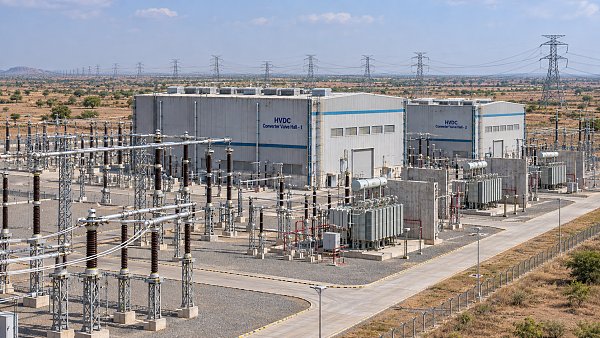
- GE Vernova Selected for 6 GW HVDC Link in IndiaGE Vernova will design a 6 GW HVDC link for PGCIL, connecting Rajasthan and South Kalamb to support India's clean energy transition. Discover the project.
How to Read Product Specifications for Industrial Ovens: 8 Parameters That Affect Output


Reading product specifications for industrial ovens is not a paperwork exercise. It is a practical way to predict output, process stability, and compliance risk before equipment reaches the production floor.
That matters across sectors linked by G-MCE’s benchmarking model, especially food processing, advanced textiles, precision components, and regulated industrial manufacturing where thermal consistency shapes yield and quality.
A specification sheet can look complete while still hiding production limits. The most useful reading method is to connect each data point to loading pattern, cycle time, validation effort, and downstream throughput.
Why specification reading now deserves closer attention
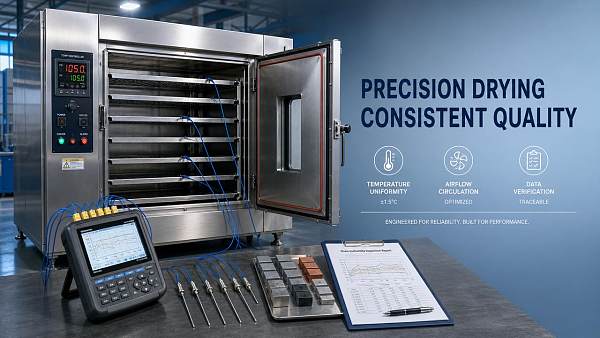
Industrial ovens are now selected under tighter energy targets, stricter traceability demands, and more variable production mixes. In that environment, generic product specifications are no longer enough.
Global sourcing also complicates comparison. Two ovens may share similar headline temperatures, yet differ sharply in airflow control, recovery behavior, insulation quality, and documentation aligned with ISO, ASTM, or local safety codes.
G-MCE’s cross-sector view is useful here. Whether the application is curing coatings, drying technical textiles, stabilizing food products, or heat-treating optical assemblies, reliable product specifications support faster and safer evaluation.
The eight parameters that actually affect output
Not every line on a data sheet has equal weight. The following eight parameters usually have the strongest link to real production performance.
1. Chamber size and usable working volume
External dimensions tell very little. What matters is usable volume after racks, ducts, circulation hardware, and clearance zones are considered.
A large chamber can still limit output if product spacing must be widened to maintain heat exposure. Always match the stated volume to actual tray count, load density, and part geometry.
2. Temperature range and operating window
Maximum temperature attracts attention, but the stable operating window matters more. Many processes run in a narrow band where overshoot damages coatings, adhesives, polymers, or food texture.
When reading product specifications, check whether ratings are continuous or peak values. Intermittent maximum ratings do not describe normal production conditions.
3. Temperature uniformity across the chamber
Uniformity often separates acceptable output from reject-heavy output. A specification of ±2°C or ±5°C can translate into major differences in curing consistency and batch repeatability.
It is also worth checking how the value was measured. Empty-chamber uniformity is easier to achieve than loaded performance under real airflow resistance.
4. Airflow design and circulation pattern
Airflow influences drying speed, heat transfer, and zone balance. Horizontal, vertical, and combination airflow systems behave differently depending on product shape and moisture release.
On many product specifications, fan power appears impressive, but fan power alone says little. The useful question is whether airflow reaches all surfaces without creating hot spots or shadow areas.
5. Recovery time after door opening or load insertion
Recovery time is one of the most underestimated parameters. Every door opening introduces heat loss, and every cold load draws energy from the chamber.
Slow recovery extends cycle time and can shift process results across the batch. In high-throughput settings, this single parameter can define practical capacity more accurately than chamber volume.
6. Heating power and energy efficiency
Installed power affects warm-up speed, but it should be reviewed alongside insulation, control strategy, and heat loss. More kilowatts do not automatically mean better output.
In continuous operations, weak insulation increases operating cost and makes temperature stability harder to maintain. Good product specifications should clarify energy consumption under defined conditions.
7. Control system accuracy and data logging
Modern evaluation goes beyond hardware. Controller resolution, sensor placement, recipe management, alarm logic, and data recording all influence process confidence.
This is especially relevant when batches must be documented for internal quality systems or external audits. Product specifications should indicate calibration capability and communication interfaces, not only screen type.
8. Construction materials, safety, and compliance details
The chamber material, seals, insulation, and exhaust design shape both durability and application fit. Stainless steel may be essential in hygienic settings, while solvent-related processes demand stronger safety consideration.
Compliance language also deserves careful reading. CE marking, UL-related components, food-contact suitability, or test references to ASTM and ISO standards can significantly affect approval and installation timelines.
How these parameters behave in real operating scenarios
The same oven specification can perform differently depending on the process. A drying application, for example, may prioritize airflow and moisture exhaust over extreme temperature range.
A curing line for coated components may care more about uniformity, recovery time, and documented repeatability. Food-related thermal treatment may place additional emphasis on hygienic materials and traceable control logic.
That is why product specifications should never be read in isolation. The right interpretation starts with the thermal profile of the product, batch size, acceptable variation, and production rhythm.
A better way to compare product specifications
A useful comparison method links the specification sheet to three operational questions: What is the true batch capacity, how stable is each cycle, and what proof supports the claims?
This approach reduces the risk of buying based on headline numbers. It also aligns with the G-MCE habit of benchmarking technical assets through verifiable criteria rather than catalog language.
- Ask for loaded performance data, not only empty-chamber values.
- Check whether temperature uniformity was validated at multiple points.
- Review cycle recovery under realistic door-opening frequency.
- Confirm whether power consumption is measured or estimated.
- Look for calibration, alarm history, and traceable data export options.
Where hidden specification risk usually appears
Risk often appears in the gap between nominal values and application conditions. Product specifications may be technically correct but operationally incomplete.
Typical gaps include unclear test methods, missing tolerance definitions, unspecified ambient conditions, and broad claims about “high efficiency” without quantified energy data.
Another weak point is documentation quality. If manuals, compliance files, or calibration procedures are vague, future qualification work becomes slower and more expensive.
Turning data sheets into better decisions
The most reliable reading of product specifications starts with the process, not the brochure. Define the thermal task, expected load, cycle frequency, and acceptable deviation before comparing models.
Then review the eight parameters together rather than individually. Strong output comes from balance: usable chamber space, controlled airflow, stable uniformity, fast recovery, efficient heating, reliable controls, and credible compliance support.
For the next step, build a comparison matrix around those factors and request evidence for each claim. That simple discipline turns product specifications into a practical decision tool instead of a marketing summary.
Recommended for You
 Digital SeaKongsberg Maritime Unveils Arctic Hunter Unmanned Surface VesselKongsberg Maritime's Arctic Hunter unmanned surface vessel is proposed for the Royal Navy's Type 92 programme. Explore its technology and procurement implications.By: Captain Kenji SatoNov 10, 2026
 Sorting RobotsHow Accurate Is AI in Food Quality Control? Metrics and Testing MethodsExplore AI in food quality control accuracy, from recall and false negatives to validation methods. Learn how to assess real-world inspection reliability.By: Marcus SterlingNov 10, 2026
 UHV TransformersGE Vernova Selected for 6 GW HVDC Link in IndiaGE Vernova will design a 6 GW HVDC link for PGCIL, connecting Rajasthan and South Kalamb to support India's clean energy transition. Discover the project.By: Dr. Elena VoltNov 09, 2026
 Grid ResilienceEurope's Grid Compliance Standards in 2026: Generator Connection RequirementsExplore new grid compliance standards 2026 Europe projects must address, from generator connection rules to testing and documentation. Prepare for approval.By: Dr. Elena VoltNov 09, 2026
 Technical FabricsNonwoven Bonding Cost Data: Comparing Thermal and Chemical ProcessesExplore nonwoven bonding cost data to compare thermal and chemical processes, assess usable yield, and choose the best-value option for your application.By: Chloe DuboisNov 08, 2026
 Fiber LasersIndustrial Lasers to 2035: Automotive Lightweighting and Precision Welding Drive DemandExplore the industrial laser market outlook to 2035 and discover how automotive lightweighting and precision welding could shape demand and procurement.By: Dr. Hideo TanakaNov 07, 2026
 Technical FabricsChoosing Geotextile Under Railway Ballast: Key Performance RequirementsChoosing geotextile under railway ballast? Explore essential filtration, drainage, strength and durability criteria to make a confident, project-specific selection.By: Chloe DuboisNov 07, 2026
 Digital SeaChoosing Rail Welding Equipment for Maintenance: Field Conditions and Weld TypesChoose rail welding equipment for maintenance with confidence. Compare welding methods, field constraints, inspection needs, and lifecycle costs.By: Captain Kenji SatoNov 06, 2026
 Digital SeaIndia Broadband Forum Urges Stronger Submarine Cable ResilienceIndia’s submarine cable resilience is in focus as the Broadband India Forum urges faster repairs, more vessels and stronger landing infrastructure.By: Captain Kenji SatoNov 06, 2026
 Digital SeaChoosing a Railway Network Switch Supplier: Reliability and Support CriteriaChoosing a railway network switch supplier? Compare reliability, standards evidence, cybersecurity, and lifecycle support to reduce project risk.By: Captain Kenji SatoNov 05, 2026
 Grid ResilienceUS Grid Equipment Import Ban Raises Cost and Implementation ConcernsThe US grid equipment import ban raises concerns over costs and delivery delays. Explore how unclear criteria could affect procurement and supply chains.By: Dr. Elena VoltNov 05, 2026
 Digital SeaRailway Coupler Price: How Type and Specifications Affect QuotesRailway coupler price depends on type, specifications, and order scope. Learn how to compare quotes, avoid hidden costs, and make a confident buying decision.By: Captain Kenji SatoNov 04, 2026
 Grid ResilienceGlobal Smart Grid Companies Raise $3 Billion in First Nine Months of 2026Global smart grid companies raised $3 billion in the first nine months of 2026. Explore the funding breakdown and potential implications for buyers and suppliers.By: Dr. Elena VoltNov 04, 2026
 Digital SeaChoosing Wholesale Pet Toys: How to Evaluate Suppliers and Minimum OrdersWholesale pet toys: learn how to assess suppliers, compare minimum orders and landed costs, and reduce inventory risk before you buy.By: Captain Kenji SatoNov 03, 2026
 Digital SeaSustainable Packaging Design: How to Choose Materials and Reduce WasteDiscover how sustainable packaging design helps reduce waste, protect products, and control costs with practical material choices and proven testing strategies.By: Captain Kenji SatoNov 02, 2026
 Technical FabricsUSMCA's First Joint Review Puts Textile Supply Chain Rules in FocusUSMCA's first joint review puts textile supply chain rules in focus. Explore potential impacts on origin compliance, sourcing and tariff treatment.By: Chloe DuboisNov 02, 2026
 Digital SeaManufacturing KPI Benchmarking: How to Compare Production PerformanceBenchmarking KPI manufacturing performance? Learn how to compare OEE, quality and downtime, identify meaningful gaps, and turn insights into practical improvements.By: Captain Kenji SatoNov 01, 2026
 Smart MetersCCI Approves Adani Energy Solutions' ₹305 Billion Acquisition of IntelliSmartCCI approves Adani Energy Solutions' ₹305 billion acquisition of IntelliSmart. Discover what the deal could mean for India's smart meter market.By: Dr. Elena VoltNov 01, 2026
 Digital SeaChoosing a Coin Laundry Machinery OEM: What Buyers Should EvaluateChoosing a coin laundry machinery OEM? Compare machine specifications, payment integration, lifecycle costs, and support to make a confident buying decision.By: Captain Kenji SatoOct 31, 2026
 Grid ResilienceUS Energy Department Announces $237 Million Grid SCALED Funding ProgramExplore the DOE's $237 million Grid SCALED funding program and its goals to strengthen grid equipment supply chains, lower electricity costs, and improve resilience.By: Dr. Elena VoltOct 31, 2026
 UHV TransformersA Decade of UHV Power in Shandong: Province Leads in Station NumbersShandong UHV power leads China in station numbers. Explore a decade of grid development and its implications for electricity supply and business planning.By: Dr. Elena VoltOct 30, 2026
 Digital SeaChoosing a Composite Train Body Panel Manufacturer: Fire Safety and Quality ChecksChoosing a composite train body panels manufacturer? Learn how to verify fire test evidence, audit production quality, and avoid costly approval gaps before you buy.By: Captain Kenji SatoOct 29, 2026
 Subsea ROV/AUVOcean Infinity Deploys Six AUVs Together Beyond 5,000 MetresOcean Infinity reportedly deployed six HUGIN AUVs beyond 5,200 metres. Explore what concurrent deepwater missions could mean for seabed surveys and procurement.By: Captain Kenji SatoOct 29, 2026
 Grid ResilienceRenewable Energy Grid Balancing: How Storage and Demand Response Work TogetherExplore renewable energy grid balancing with storage and demand response. Learn how coordinated controls manage shortfalls, absorb surplus power, and improve grid reliability.By: Dr. Elena VoltOct 28, 2026
 Subsea ROV/AUVSeaber Introduces 13 kg RAVEN AUV to Target Mine Countermeasure CostsSeaber’s 13 kg RAVEN AUV targets lower mine countermeasure costs with two mission configurations. Explore its potential value for naval operations and procurement.By: Captain Kenji SatoOct 28, 2026
 Digital SeaBallast Water Management Rules: IMO vs. USCG Compliance RequirementsBallast water management rules explained: compare IMO and USCG approvals, operating limits, and records. Get practical checks to reduce compliance risks and costly port delays.By: Captain Kenji SatoOct 27, 2026
 Subsea ROV/AUVEni Signs Main Cronos Contracts, Moving Gas Project into ExecutionEni’s Cronos gas project enters execution as major contracts are signed. Explore the Cyprus development, Egypt processing plans and key milestones toward first gas in 2028.By: Captain Kenji SatoOct 27, 2026
 Digital SeaBenefits of Refurbished Semiconductor Equipment: When Do Savings Justify the Risk?Explore the benefits of refurbished semiconductor equipment. Learn how to weigh savings against process risks, qualification costs, and support gaps before investing.By: Captain Kenji SatoOct 26, 2026
 Digital SeaSemiconductor Equipment Overhaul: Diagnosing Persistent Process DriftSemiconductor equipment overhaul leaving process drift unresolved? Discover how to pinpoint vacuum, sensor, thermal, and conditioning issues to restore stability and reduce repeat service calls.By: Captain Kenji SatoOct 26, 2026
 Digital SeaSemiconductor Equipment Refurbishment Process: Cleaning to QualificationExplore the semiconductor equipment refurbishment process, from precision cleaning to qualification. Learn how measurable testing helps verify production readiness and reduce risk.By: Captain Kenji SatoOct 26, 2026
 Digital SeaBidding for Offshore Decommissioning Projects: Scope and Liability ChecksBidding for offshore decommissioning projects? Discover key scope, liability, and insurance checks to avoid hidden costs, protect margins, and bid with confidence.By: Captain Kenji SatoOct 26, 2026