BDI: 1,842 ▼ 1.2%
COTTON NO.2: 84.12 ▲ 0.4%
LME COPPER: 8,432.50 ▲ 2.1%
FOOD SAFETY INDEX: 94.2 ARCHIVE_SECURED
OPTICAL INDEX: 11,204.09 STABLE
BDI: 1,842 ▼ 1.2%

SECTOR INDEX
V.24.08 ARCHIVE
Hot Articles
- How Does a Ballast Cleaner Screening System Separate Track Ballast?Discover how a ballast cleaner screening system separates reusable stone from fines, what affects performance, and how to assess the results.
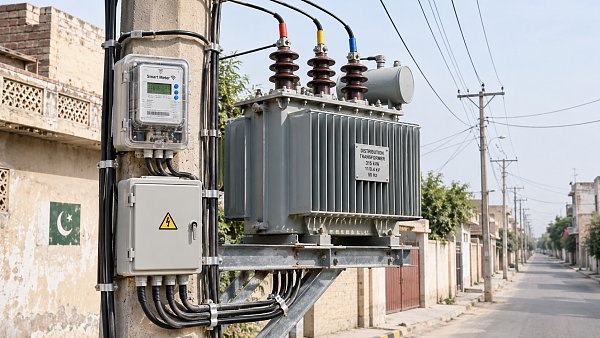
- Pakistan to Seek World Bank and ADB Funding for Smart MetersPakistan seeks World Bank and ADB funding for smart meters on distribution transformers. Explore the plan to tackle power theft and improve grid efficiency.
- What Is Precision Medicine and How Does It Guide Treatment?Discover how precision medicine uses biomarkers and genetic insights to guide treatment, where it can help, and what to ask before testing.
Energy-efficient manufacturing: practical ways to cut power use without hurting output


Why energy-efficient manufacturing depends on the production context

Energy-efficient manufacturing works best when power reduction follows process reality, not generic savings targets.
A textile line, a photonics cell, and a food processing plant can show similar utility bills, yet the drivers behind consumption differ sharply.
That is why strong results usually come from matching energy actions to load patterns, quality thresholds, and maintenance constraints.
In cross-sector environments, the same kilowatt-hour does not carry the same operational risk.
G-MCE’s multi-industry view is useful here because benchmarking across maritime engineering, smart grid equipment, food processing, textiles, and precision optics reveals where assumptions break down.
The practical question is not whether energy-efficient manufacturing matters.
The real question is which measures cut power use without slowing output, destabilizing quality, or creating hidden downtime later.
Different factories lose energy in different ways
Facilities with continuous production often waste energy through base load drift.
Batch operations usually lose more during heating, cooling, idle transitions, and restart periods.
High-precision operations face another issue.
They cannot simply lower power input if thermal stability affects micron-level tolerances or sensor reliability.
Heavy electrical assets, including motor-driven and high-voltage systems, may show acceptable average efficiency while suffering poor power factor, harmonics, or oversized equipment.
In actual application, energy-efficient manufacturing starts with separating controllable waste from process-critical energy use.
Without that distinction, efficiency projects often hit the easiest loads first and miss the biggest opportunities.
A quick way to compare scenario differences
This comparison matters because energy-efficient manufacturing decisions should be tied to loss mechanisms, not broad sustainability language.
Where steady-flow production usually finds the fastest savings
Automated textile lines, packaging systems, and conveyor-heavy assembly operations often carry stable output targets with uneven equipment loading.
In these settings, energy-efficient manufacturing often improves through better matching between drive capacity and real operating demand.
Variable frequency drives help, but only when the process truly has speed variation.
If a line runs near constant rated speed, sequencing, shutdown discipline, and compressed air leak control may deliver more reliable savings.
A common mistake is replacing motors before confirming duty cycles.
Another is measuring line efficiency only during full production hours while ignoring low-load weekends, changeovers, and idle circulation.
The better approach is to build a load map by asset group.
That usually reveals whether the largest opportunity sits in fans, pumps, air systems, or standby consumption.
Thermal and food processing lines need a different energy-efficient manufacturing logic
Industrial food processing and other heat-dependent operations rarely respond well to simple power cuts.
Product integrity, sanitation cycles, moisture control, and line hygiene shape what is possible.
Here, energy-efficient manufacturing is usually about thermal balance.
Heat recovery from exhaust streams, better insulation, tighter burner control, and reduced overshoot often protect output better than aggressive setpoint reductions.
More often than expected, the problem is not inefficient heating alone.
It is unstable scheduling that forces repeated warm-ups, partial loads, and avoidable cleaning cycles.
That is why process planning and utilities planning should be reviewed together.
If production sequencing reduces thermal disruption, energy-efficient manufacturing gains become easier to keep over time.
Precision optics, photonics, and electronics lines require tighter judgment
In precision optics and photonics, power reduction cannot come at the expense of stability.
Cooling systems, cleanroom support, laser modules, and metrology equipment often interact in ways that make isolated fixes risky.
In this scenario, energy-efficient manufacturing depends on identifying where control precision matters most.
Some zones need strict environmental control, while surrounding support areas can be managed more flexibly.
A useful judgment method is to rank loads by quality sensitivity.
Critical metrology, beam alignment, and contamination-sensitive processes stay protected.
Secondary HVAC zones, general lighting, and noncritical circulation can then be optimized with lower risk.
This is where ISO, IEC, and ASTM-linked benchmarking becomes practical rather than theoretical.
Standards help define the line between acceptable efficiency improvement and unacceptable process drift.
For power equipment and heavy assets, the hidden issue is often power quality
Facilities handling transformers, test systems, marine equipment, or large motor fleets often focus first on equipment replacement.
Yet energy-efficient manufacturing in these environments may be blocked by upstream electrical conditions.
Low power factor, voltage imbalance, harmonics, and poorly coordinated distribution can waste energy and shorten equipment life at the same time.
This matters in high-voltage transmission and smart grid related production, where test reliability and electrical integrity remain non-negotiable.
In practical terms, correcting capacitive or inductive imbalance may outperform a rushed asset upgrade.
The same applies in specialized maritime engineering, where intermittent heavy loads can distort average efficiency readings.
A short audit of waveform quality, transformer loading, and feeder losses often changes the improvement roadmap.
Common misreads before implementation
- Assuming similar equipment names mean similar duty conditions.
- Comparing rated efficiency without checking partial-load behavior.
- Counting utility savings but ignoring maintenance windows and restart losses.
- Treating compressed air, cooling water, and HVAC as background utilities.
- Applying one global target to sites with different standards exposure and process risk.
How to choose practical actions without hurting throughput
The strongest energy-efficient manufacturing programs usually begin with a narrow operating question.
Which loads are flexible, which loads are quality-critical, and which losses repeat every day?
From there, the most useful actions are often staged.
- Meter major loads by process area, not only by building or utility type.
- Separate base load, idle load, and production-linked load before setting targets.
- Test one change per constraint, especially where thermal or dimensional quality matters.
- Review compliance boundaries tied to ISO, IEC, or ASTM before altering control ranges.
- Track output, scrap, and downtime beside energy data from the start.
This staged method fits a cross-sector environment because it respects the differences between high-speed lines, thermal systems, and precision assets.
It also aligns with the broader G-MCE perspective, where technical benchmarking and market conditions have to be read together.
When energy costs, policy shifts, and asset performance are evaluated as one picture, energy-efficient manufacturing becomes more durable and easier to justify.
A realistic next step is to build a scenario-based baseline
Energy-efficient manufacturing becomes actionable when each production scenario has its own baseline, limits, and improvement path.
That means documenting load patterns, utility dependencies, quality sensitivities, and operating standards before major changes begin.
In some plants, the first gain will come from compressed air and motor control.
In others, it will come from thermal recovery, electrical correction, or better zoning of critical environments.
The important point is to avoid treating every site as the same efficiency story.
A sharper next move is to compare operating conditions, define non-negotiable process limits, and rank upgrades by savings, risk, and implementation effort.
That is usually where practical energy-efficient manufacturing starts delivering lower power use without giving back output somewhere else.
Recommended for You
 Digital SeaHow Does a Ballast Cleaner Screening System Separate Track Ballast?Discover how a ballast cleaner screening system separates reusable stone from fines, what affects performance, and how to assess the results.By: Captain Kenji SatoNov 14, 2026
 Smart MetersPakistan to Seek World Bank and ADB Funding for Smart MetersPakistan seeks World Bank and ADB funding for smart meters on distribution transformers. Explore the plan to tackle power theft and improve grid efficiency.By: Dr. Elena VoltNov 13, 2026
 Digital SeaWhat Is Precision Medicine and How Does It Guide Treatment?Discover how precision medicine uses biomarkers and genetic insights to guide treatment, where it can help, and what to ask before testing.By: Captain Kenji SatoNov 13, 2026
 Grid Resilience2026 CSEE Annual Meeting Opens with Focus on AI and Power SystemsThe 2026 CSEE Annual Meeting explores AI, low-carbon power systems and ultra-high-voltage transmission. Discover why these discussions matter.By: Dr. Elena VoltNov 12, 2026
 Digital SeaShip Radar Detection Range: How Far Can It See and What Limits It?Ship radar detection range depends on more than the display scale. Discover how antenna height, weather, target size, and settings affect what radar can see.By: Captain Kenji SatoNov 12, 2026
 UHV TransformersGE Vernova to Invest $34.5 Million in Louisiana Transformer Plant ExpansionGE Vernova plans a $34.5 million transformer plant expansion in Louisiana. Explore its potential impact on North American supply and procurement.By: Dr. Elena VoltNov 11, 2026
 Digital SeaMetro Station Noise Criteria: Limits and Measurement MethodsExplore metro station noise criteria, applicable limits and measurement methods. Learn how to select metrics and assess compliance with confidence.By: Captain Kenji SatoNov 11, 2026
 Digital SeaKongsberg Maritime Unveils Arctic Hunter Unmanned Surface VesselKongsberg Maritime's Arctic Hunter unmanned surface vessel is proposed for the Royal Navy's Type 92 programme. Explore its technology and procurement implications.By: Captain Kenji SatoNov 10, 2026
 Sorting RobotsHow Accurate Is AI in Food Quality Control? Metrics and Testing MethodsExplore AI in food quality control accuracy, from recall and false negatives to validation methods. Learn how to assess real-world inspection reliability.By: Marcus SterlingNov 10, 2026
 UHV TransformersGE Vernova Selected for 6 GW HVDC Link in IndiaGE Vernova will design a 6 GW HVDC link for PGCIL, connecting Rajasthan and South Kalamb to support India's clean energy transition. Discover the project.By: Dr. Elena VoltNov 09, 2026
 Grid ResilienceEurope's Grid Compliance Standards in 2026: Generator Connection RequirementsExplore new grid compliance standards 2026 Europe projects must address, from generator connection rules to testing and documentation. Prepare for approval.By: Dr. Elena VoltNov 09, 2026
 Technical FabricsNonwoven Bonding Cost Data: Comparing Thermal and Chemical ProcessesExplore nonwoven bonding cost data to compare thermal and chemical processes, assess usable yield, and choose the best-value option for your application.By: Chloe DuboisNov 08, 2026
 Fiber LasersIndustrial Lasers to 2035: Automotive Lightweighting and Precision Welding Drive DemandExplore the industrial laser market outlook to 2035 and discover how automotive lightweighting and precision welding could shape demand and procurement.By: Dr. Hideo TanakaNov 07, 2026
 Technical FabricsChoosing Geotextile Under Railway Ballast: Key Performance RequirementsChoosing geotextile under railway ballast? Explore essential filtration, drainage, strength and durability criteria to make a confident, project-specific selection.By: Chloe DuboisNov 07, 2026
 Digital SeaChoosing Rail Welding Equipment for Maintenance: Field Conditions and Weld TypesChoose rail welding equipment for maintenance with confidence. Compare welding methods, field constraints, inspection needs, and lifecycle costs.By: Captain Kenji SatoNov 06, 2026
 Digital SeaIndia Broadband Forum Urges Stronger Submarine Cable ResilienceIndia’s submarine cable resilience is in focus as the Broadband India Forum urges faster repairs, more vessels and stronger landing infrastructure.By: Captain Kenji SatoNov 06, 2026
 Digital SeaChoosing a Railway Network Switch Supplier: Reliability and Support CriteriaChoosing a railway network switch supplier? Compare reliability, standards evidence, cybersecurity, and lifecycle support to reduce project risk.By: Captain Kenji SatoNov 05, 2026
 Grid ResilienceUS Grid Equipment Import Ban Raises Cost and Implementation ConcernsThe US grid equipment import ban raises concerns over costs and delivery delays. Explore how unclear criteria could affect procurement and supply chains.By: Dr. Elena VoltNov 05, 2026
 Digital SeaRailway Coupler Price: How Type and Specifications Affect QuotesRailway coupler price depends on type, specifications, and order scope. Learn how to compare quotes, avoid hidden costs, and make a confident buying decision.By: Captain Kenji SatoNov 04, 2026
 Grid ResilienceGlobal Smart Grid Companies Raise $3 Billion in First Nine Months of 2026Global smart grid companies raised $3 billion in the first nine months of 2026. Explore the funding breakdown and potential implications for buyers and suppliers.By: Dr. Elena VoltNov 04, 2026
 Digital SeaChoosing Wholesale Pet Toys: How to Evaluate Suppliers and Minimum OrdersWholesale pet toys: learn how to assess suppliers, compare minimum orders and landed costs, and reduce inventory risk before you buy.By: Captain Kenji SatoNov 03, 2026
 Digital SeaSustainable Packaging Design: How to Choose Materials and Reduce WasteDiscover how sustainable packaging design helps reduce waste, protect products, and control costs with practical material choices and proven testing strategies.By: Captain Kenji SatoNov 02, 2026
 Technical FabricsUSMCA's First Joint Review Puts Textile Supply Chain Rules in FocusUSMCA's first joint review puts textile supply chain rules in focus. Explore potential impacts on origin compliance, sourcing and tariff treatment.By: Chloe DuboisNov 02, 2026
 Digital SeaManufacturing KPI Benchmarking: How to Compare Production PerformanceBenchmarking KPI manufacturing performance? Learn how to compare OEE, quality and downtime, identify meaningful gaps, and turn insights into practical improvements.By: Captain Kenji SatoNov 01, 2026
 Smart MetersCCI Approves Adani Energy Solutions' ₹305 Billion Acquisition of IntelliSmartCCI approves Adani Energy Solutions' ₹305 billion acquisition of IntelliSmart. Discover what the deal could mean for India's smart meter market.By: Dr. Elena VoltNov 01, 2026
 Digital SeaChoosing a Coin Laundry Machinery OEM: What Buyers Should EvaluateChoosing a coin laundry machinery OEM? Compare machine specifications, payment integration, lifecycle costs, and support to make a confident buying decision.By: Captain Kenji SatoOct 31, 2026
 Grid ResilienceUS Energy Department Announces $237 Million Grid SCALED Funding ProgramExplore the DOE's $237 million Grid SCALED funding program and its goals to strengthen grid equipment supply chains, lower electricity costs, and improve resilience.By: Dr. Elena VoltOct 31, 2026
 UHV TransformersA Decade of UHV Power in Shandong: Province Leads in Station NumbersShandong UHV power leads China in station numbers. Explore a decade of grid development and its implications for electricity supply and business planning.By: Dr. Elena VoltOct 30, 2026
 Digital SeaChoosing a Composite Train Body Panel Manufacturer: Fire Safety and Quality ChecksChoosing a composite train body panels manufacturer? Learn how to verify fire test evidence, audit production quality, and avoid costly approval gaps before you buy.By: Captain Kenji SatoOct 29, 2026
 Subsea ROV/AUVOcean Infinity Deploys Six AUVs Together Beyond 5,000 MetresOcean Infinity reportedly deployed six HUGIN AUVs beyond 5,200 metres. Explore what concurrent deepwater missions could mean for seabed surveys and procurement.By: Captain Kenji SatoOct 29, 2026
 Grid ResilienceRenewable Energy Grid Balancing: How Storage and Demand Response Work TogetherExplore renewable energy grid balancing with storage and demand response. Learn how coordinated controls manage shortfalls, absorb surplus power, and improve grid reliability.By: Dr. Elena VoltOct 28, 2026