BDI: 1,842 ▼ 1.2%
COTTON NO.2: 84.12 ▲ 0.4%
LME COPPER: 8,432.50 ▲ 2.1%
FOOD SAFETY INDEX: 94.2 ARCHIVE_SECURED
OPTICAL INDEX: 11,204.09 STABLE
BDI: 1,842 ▼ 1.2%

SECTOR INDEX
V.24.08 ARCHIVE
Hot Articles
- How Does a Ballast Cleaner Screening System Separate Track Ballast?Discover how a ballast cleaner screening system separates reusable stone from fines, what affects performance, and how to assess the results.
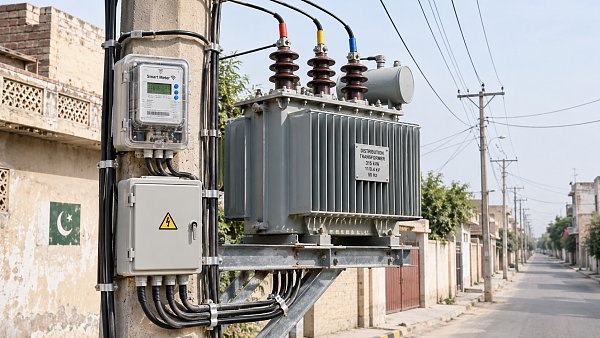
- Pakistan to Seek World Bank and ADB Funding for Smart MetersPakistan seeks World Bank and ADB funding for smart meters on distribution transformers. Explore the plan to tackle power theft and improve grid efficiency.
- What Is Precision Medicine and How Does It Guide Treatment?Discover how precision medicine uses biomarkers and genetic insights to guide treatment, where it can help, and what to ask before testing.
What Are the Key Waterless Dyeing Benefits for Sustainable Textile Production?


As textile producers face mounting pressure to cut water use, emissions, and compliance risks, understanding the waterless dyeing benefits has become essential for sustainable production planning. From lower resource consumption and faster processing to cleaner supply chains and stronger regulatory alignment, this technology is reshaping how manufacturers evaluate performance, cost, and environmental impact across the global textile value chain.
Why Are Companies Evaluating Waterless Dyeing Now?

The core search intent behind waterless dyeing benefits is practical, not academic. Readers usually want to know whether this technology delivers measurable environmental and commercial gains.
For most information researchers, the real question is straightforward: can waterless dyeing reduce water dependency, lower compliance pressure, and still support consistent textile quality at industrial scale?
That matters because textile dyeing remains one of manufacturing’s most resource-intensive stages. Conventional wet processing consumes large volumes of water, energy, chemicals, and wastewater treatment capacity.
As regulations tighten and brand sourcing standards become stricter, manufacturers can no longer assess dyeing systems only by unit cost. They must now evaluate total operational and sustainability performance.
In that context, the key waterless dyeing benefits go beyond saving water. The strongest value often comes from lower effluent loads, shorter processing steps, cleaner inputs, and stronger ESG positioning.
What Are the Main Waterless Dyeing Benefits in Sustainable Textile Production?
The most visible advantage is dramatic water reduction. Waterless dyeing technologies are designed to avoid or sharply reduce freshwater consumption during the coloration stage.
That shift is highly significant in regions facing water scarcity, rising utility prices, or restrictions on industrial discharge. It reduces dependence on local water infrastructure and eases operational exposure.
A second major benefit is lower wastewater generation. Traditional dyeing can create large volumes of contaminated effluent that require treatment before discharge or reuse.
By reducing or eliminating process water, waterless systems can reduce dyehouse wastewater loads, chemical residues, and sludge management requirements. This improves environmental performance and simplifies compliance.
Another important advantage is energy efficiency in certain applications. Conventional dyeing often requires repeated heating, rinsing, drying, and finishing stages that increase energy demand.
Waterless methods can streamline some of those steps, especially when coloration is achieved with efficient dye transfer mechanisms. Fewer wet stages can also shorten total production cycles.
Cleaner processing is another reason companies are paying attention. Reduced auxiliary chemical use may lower exposure to restricted substances and support alignment with buyer sustainability protocols.
For procurement teams and mill managers, that translates into a wider business benefit: less environmental complexity per unit of output. In many cases, that is more valuable than water savings alone.
How Do These Benefits Affect Cost, Risk, and Operational Performance?
Information-focused readers usually want to move past broad sustainability claims and understand business relevance. The strongest case for waterless dyeing lies in total cost and risk structure.
First, reduced water use can lower utility spending, especially where freshwater tariffs are rising. The savings become more meaningful when discharge fees and wastewater treatment costs are also high.
Second, lower effluent volumes can reduce the burden on in-house treatment systems. That may defer capital upgrades, reduce treatment chemicals, and ease ongoing maintenance and monitoring demands.
Third, process simplification can improve throughput. If fewer washing and drying steps are required, mills may gain faster turnaround times and more predictable production scheduling.
Speed matters in apparel and technical textile supply chains. Shorter dyeing cycles can improve responsiveness to smaller order runs, replenishment programs, and tighter delivery windows.
Risk reduction is another underappreciated value driver. Water-intensive dyehouses face growing regulatory scrutiny around discharge quality, water abstraction, chemical management, and local community impact.
Waterless dyeing can help reduce exposure to these risks, though the extent depends on the exact technology, fiber compatibility, and production environment. It is not a universal fix.
From a strategic perspective, waterless dyeing benefits are strongest when companies evaluate them through total landed risk, not only direct process cost. That is the more realistic industrial lens.
Does Waterless Dyeing Improve Sustainability Credentials for Brands and Suppliers?
Yes, but the value depends on whether performance claims are verified and relevant to the buyer’s sourcing criteria. Sustainability positioning alone is not enough in serious B2B procurement.
Brands increasingly expect mills and garment suppliers to document reductions in water use, chemical intensity, emissions, and waste. Waterless dyeing can support these expectations in a credible way.
It may also strengthen supplier readiness for environmental audits, preferred vendor programs, and disclosure frameworks linked to ESG reporting or responsible sourcing requirements.
For exporters, this can matter as much as process efficiency. International buyers are under pressure to decarbonize and clean up supply chains, and dyeing remains a visible impact hotspot.
When suppliers can demonstrate cleaner processing, they may improve competitiveness in categories where traceability, environmental assurance, and compliance transparency influence sourcing decisions.
That said, readers should distinguish between marketing language and verified operational data. The most useful assessment comes from measurable indicators such as water intensity, energy use, shade reproducibility, and reject rates.
What Are the Limits and Tradeoffs Buyers Should Understand?
A balanced evaluation is essential. Waterless dyeing benefits are real, but they are not identical across all textile categories, production scales, or technology platforms.
One major consideration is fiber compatibility. Some waterless systems are better suited to synthetic fibers, especially polyester, than to natural fibers such as cotton or linen.
This matters because a mill’s product mix determines whether adoption is commercially realistic. A technology that performs well for sportswear may be less suitable for broad woven cotton programs.
Capital investment is another important factor. New equipment, process adaptation, operator training, and quality validation can raise the entry threshold for mills with thin margins.
There may also be limitations in color range, dye selection, or integration with existing finishing sequences. These issues do not eliminate the value, but they affect adoption timing.
For this reason, decision-makers should avoid treating waterless dyeing as an isolated sustainability upgrade. It should be assessed as part of a larger process, product, and market strategy.
The key question is not simply whether the technology is greener. It is whether the sustainability gain aligns with the plant’s technical capability, customer mix, and return expectations.
How Should Textile Producers Evaluate Whether It Fits Their Operation?
The most useful starting point is a baseline comparison. Mills should quantify current water consumption, wastewater treatment cost, energy demand, chemical use, and processing cycle time by product type.
Without that baseline, it is difficult to estimate the real value of switching technologies. Generic savings claims are rarely enough for a sound investment or sourcing decision.
Next, companies should assess applicability by fiber category, fabric construction, lot size, and color performance requirements. Technical fit determines whether projected benefits can be realized.
Pilot trials are especially important. They help verify shade consistency, fastness performance, defect rates, and operating stability before a mill commits to broader rollout.
Buyers and suppliers should also review the compliance dimension carefully. Equipment specifications, chemical inputs, emissions profile, and third-party validation all influence long-term credibility.
Procurement directors may want to ask whether the system supports customer sustainability declarations, restricted substance frameworks, and audit documentation expected in export markets.
Finally, the business case should include scenario analysis. The strongest decisions compare capital expenditure against savings in water, treatment, energy, lead time, compliance pressure, and supplier attractiveness.
Where Are Waterless Dyeing Benefits Most Compelling Today?
Today, the clearest use cases often appear in synthetic textile segments, performance apparel, and mills operating in regions with severe water stress or costly discharge management.
These environments create stronger incentives because the avoided cost of water-intensive processing is high. In such cases, environmental benefit and commercial logic can reinforce each other.
Waterless dyeing can also be attractive for suppliers serving global brands with aggressive sustainability targets. Cleaner dyeing performance may strengthen long-term sourcing relationships and differentiation.
For companies competing mainly on low price in less regulated markets, adoption may be slower unless utility costs, policy shifts, or buyer pressure materially change the economics.
That is why this topic matters to information researchers across the textile value chain. The relevance is expanding, but the best-fit application still depends on industrial context.
Conclusion: Is Waterless Dyeing Worth Serious Consideration?
For sustainable textile production, the answer is yes. The most important waterless dyeing benefits include major water reduction, lower wastewater burden, cleaner processing, and lower regulatory exposure.
In many cases, these gains also support faster turnaround, improved supply-chain credibility, and stronger alignment with buyer sustainability expectations. That gives the technology strategic relevance beyond environmental messaging.
Still, the value is not automatic. Producers need to judge fiber suitability, capital needs, operational fit, and verified performance data before making investment or sourcing decisions.
For researchers, procurement teams, and manufacturing planners, the right takeaway is clear: waterless dyeing is not simply a trend. It is a serious industrial option for mills seeking resilient, lower-impact production.
The companies most likely to benefit are those that evaluate the technology through measurable operational outcomes, not abstract sustainability claims. That is where real competitive value becomes visible.
Recommended for You
 Digital SeaHow Does a Ballast Cleaner Screening System Separate Track Ballast?Discover how a ballast cleaner screening system separates reusable stone from fines, what affects performance, and how to assess the results.By: Captain Kenji SatoNov 14, 2026
 Smart MetersPakistan to Seek World Bank and ADB Funding for Smart MetersPakistan seeks World Bank and ADB funding for smart meters on distribution transformers. Explore the plan to tackle power theft and improve grid efficiency.By: Dr. Elena VoltNov 13, 2026
 Digital SeaWhat Is Precision Medicine and How Does It Guide Treatment?Discover how precision medicine uses biomarkers and genetic insights to guide treatment, where it can help, and what to ask before testing.By: Captain Kenji SatoNov 13, 2026
 Grid Resilience2026 CSEE Annual Meeting Opens with Focus on AI and Power SystemsThe 2026 CSEE Annual Meeting explores AI, low-carbon power systems and ultra-high-voltage transmission. Discover why these discussions matter.By: Dr. Elena VoltNov 12, 2026
 Digital SeaShip Radar Detection Range: How Far Can It See and What Limits It?Ship radar detection range depends on more than the display scale. Discover how antenna height, weather, target size, and settings affect what radar can see.By: Captain Kenji SatoNov 12, 2026
 UHV TransformersGE Vernova to Invest $34.5 Million in Louisiana Transformer Plant ExpansionGE Vernova plans a $34.5 million transformer plant expansion in Louisiana. Explore its potential impact on North American supply and procurement.By: Dr. Elena VoltNov 11, 2026
 Digital SeaMetro Station Noise Criteria: Limits and Measurement MethodsExplore metro station noise criteria, applicable limits and measurement methods. Learn how to select metrics and assess compliance with confidence.By: Captain Kenji SatoNov 11, 2026
 Digital SeaKongsberg Maritime Unveils Arctic Hunter Unmanned Surface VesselKongsberg Maritime's Arctic Hunter unmanned surface vessel is proposed for the Royal Navy's Type 92 programme. Explore its technology and procurement implications.By: Captain Kenji SatoNov 10, 2026
 Sorting RobotsHow Accurate Is AI in Food Quality Control? Metrics and Testing MethodsExplore AI in food quality control accuracy, from recall and false negatives to validation methods. Learn how to assess real-world inspection reliability.By: Marcus SterlingNov 10, 2026
 UHV TransformersGE Vernova Selected for 6 GW HVDC Link in IndiaGE Vernova will design a 6 GW HVDC link for PGCIL, connecting Rajasthan and South Kalamb to support India's clean energy transition. Discover the project.By: Dr. Elena VoltNov 09, 2026
 Grid ResilienceEurope's Grid Compliance Standards in 2026: Generator Connection RequirementsExplore new grid compliance standards 2026 Europe projects must address, from generator connection rules to testing and documentation. Prepare for approval.By: Dr. Elena VoltNov 09, 2026
 Technical FabricsNonwoven Bonding Cost Data: Comparing Thermal and Chemical ProcessesExplore nonwoven bonding cost data to compare thermal and chemical processes, assess usable yield, and choose the best-value option for your application.By: Chloe DuboisNov 08, 2026
 Fiber LasersIndustrial Lasers to 2035: Automotive Lightweighting and Precision Welding Drive DemandExplore the industrial laser market outlook to 2035 and discover how automotive lightweighting and precision welding could shape demand and procurement.By: Dr. Hideo TanakaNov 07, 2026
 Technical FabricsChoosing Geotextile Under Railway Ballast: Key Performance RequirementsChoosing geotextile under railway ballast? Explore essential filtration, drainage, strength and durability criteria to make a confident, project-specific selection.By: Chloe DuboisNov 07, 2026
 Digital SeaChoosing Rail Welding Equipment for Maintenance: Field Conditions and Weld TypesChoose rail welding equipment for maintenance with confidence. Compare welding methods, field constraints, inspection needs, and lifecycle costs.By: Captain Kenji SatoNov 06, 2026
 Digital SeaIndia Broadband Forum Urges Stronger Submarine Cable ResilienceIndia’s submarine cable resilience is in focus as the Broadband India Forum urges faster repairs, more vessels and stronger landing infrastructure.By: Captain Kenji SatoNov 06, 2026
 Digital SeaChoosing a Railway Network Switch Supplier: Reliability and Support CriteriaChoosing a railway network switch supplier? Compare reliability, standards evidence, cybersecurity, and lifecycle support to reduce project risk.By: Captain Kenji SatoNov 05, 2026
 Grid ResilienceUS Grid Equipment Import Ban Raises Cost and Implementation ConcernsThe US grid equipment import ban raises concerns over costs and delivery delays. Explore how unclear criteria could affect procurement and supply chains.By: Dr. Elena VoltNov 05, 2026
 Digital SeaRailway Coupler Price: How Type and Specifications Affect QuotesRailway coupler price depends on type, specifications, and order scope. Learn how to compare quotes, avoid hidden costs, and make a confident buying decision.By: Captain Kenji SatoNov 04, 2026
 Grid ResilienceGlobal Smart Grid Companies Raise $3 Billion in First Nine Months of 2026Global smart grid companies raised $3 billion in the first nine months of 2026. Explore the funding breakdown and potential implications for buyers and suppliers.By: Dr. Elena VoltNov 04, 2026
 Digital SeaChoosing Wholesale Pet Toys: How to Evaluate Suppliers and Minimum OrdersWholesale pet toys: learn how to assess suppliers, compare minimum orders and landed costs, and reduce inventory risk before you buy.By: Captain Kenji SatoNov 03, 2026
 Digital SeaSustainable Packaging Design: How to Choose Materials and Reduce WasteDiscover how sustainable packaging design helps reduce waste, protect products, and control costs with practical material choices and proven testing strategies.By: Captain Kenji SatoNov 02, 2026
 Technical FabricsUSMCA's First Joint Review Puts Textile Supply Chain Rules in FocusUSMCA's first joint review puts textile supply chain rules in focus. Explore potential impacts on origin compliance, sourcing and tariff treatment.By: Chloe DuboisNov 02, 2026
 Digital SeaManufacturing KPI Benchmarking: How to Compare Production PerformanceBenchmarking KPI manufacturing performance? Learn how to compare OEE, quality and downtime, identify meaningful gaps, and turn insights into practical improvements.By: Captain Kenji SatoNov 01, 2026
 Smart MetersCCI Approves Adani Energy Solutions' ₹305 Billion Acquisition of IntelliSmartCCI approves Adani Energy Solutions' ₹305 billion acquisition of IntelliSmart. Discover what the deal could mean for India's smart meter market.By: Dr. Elena VoltNov 01, 2026
 Digital SeaChoosing a Coin Laundry Machinery OEM: What Buyers Should EvaluateChoosing a coin laundry machinery OEM? Compare machine specifications, payment integration, lifecycle costs, and support to make a confident buying decision.By: Captain Kenji SatoOct 31, 2026
 Grid ResilienceUS Energy Department Announces $237 Million Grid SCALED Funding ProgramExplore the DOE's $237 million Grid SCALED funding program and its goals to strengthen grid equipment supply chains, lower electricity costs, and improve resilience.By: Dr. Elena VoltOct 31, 2026
 UHV TransformersA Decade of UHV Power in Shandong: Province Leads in Station NumbersShandong UHV power leads China in station numbers. Explore a decade of grid development and its implications for electricity supply and business planning.By: Dr. Elena VoltOct 30, 2026
 Digital SeaChoosing a Composite Train Body Panel Manufacturer: Fire Safety and Quality ChecksChoosing a composite train body panels manufacturer? Learn how to verify fire test evidence, audit production quality, and avoid costly approval gaps before you buy.By: Captain Kenji SatoOct 29, 2026
 Subsea ROV/AUVOcean Infinity Deploys Six AUVs Together Beyond 5,000 MetresOcean Infinity reportedly deployed six HUGIN AUVs beyond 5,200 metres. Explore what concurrent deepwater missions could mean for seabed surveys and procurement.By: Captain Kenji SatoOct 29, 2026
 Grid ResilienceRenewable Energy Grid Balancing: How Storage and Demand Response Work TogetherExplore renewable energy grid balancing with storage and demand response. Learn how coordinated controls manage shortfalls, absorb surplus power, and improve grid reliability.By: Dr. Elena VoltOct 28, 2026