BDI: 1,842 ▼ 1.2%
COTTON NO.2: 84.12 ▲ 0.4%
LME COPPER: 8,432.50 ▲ 2.1%
FOOD SAFETY INDEX: 94.2 ARCHIVE_SECURED
OPTICAL INDEX: 11,204.09 STABLE
BDI: 1,842 ▼ 1.2%

SECTOR INDEX
V.24.08 ARCHIVE
Hot Articles
- How Does a Ballast Cleaner Screening System Separate Track Ballast?Discover how a ballast cleaner screening system separates reusable stone from fines, what affects performance, and how to assess the results.
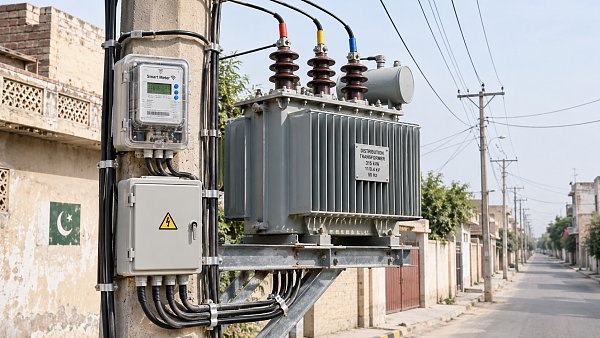
- Pakistan to Seek World Bank and ADB Funding for Smart MetersPakistan seeks World Bank and ADB funding for smart meters on distribution transformers. Explore the plan to tackle power theft and improve grid efficiency.
- What Is Precision Medicine and How Does It Guide Treatment?Discover how precision medicine uses biomarkers and genetic insights to guide treatment, where it can help, and what to ask before testing.
JIS B 8402:2026 Enforces Stricter Dyeing Machine Efficiency Limits


Japan’s revised industrial standard JIS B 8402:2026 entered full force on May 1, 2026, lowering the maximum allowable specific energy consumption for high-temperature, high-pressure dyeing machines from 1.85 kWh/kg to 1.63 kWh/kg—a 12% reduction. This update directly affects textile machinery exporters, OEM integrators, and energy compliance service providers operating in or supplying to the Japanese market.
Event Overview
JIS B 8402:2026, published by the Japanese Industrial Standards Committee, officially took effect on May 1, 2026. The standard revises the energy efficiency limit for high-temperature, high-pressure dyeing machines, setting a new upper threshold of 1.63 kWh/kg for energy consumed per kilogram of fabric processed. Concurrently, the Japan Electrical Safety & Environment Technology Laboratories (JET) launched an expedited certification pathway—termed the ‘green channel’—for energy-efficient dyeing machines manufactured in China. Eligible applicants submitting complete energy performance test reports and PLC control logic documentation receive JIS certification within 10 working days, representing a 60% reduction versus the standard evaluation timeline.
Industries Affected
Direct Exporters of Textile Dyeing Machinery
Manufacturers exporting dyeing machines to Japan must now ensure compliance with the tightened 1.63 kWh/kg limit. Non-compliant units risk rejection at customs or inability to obtain JET certification, directly affecting market access and order fulfillment timelines.
OEM and System Integrators Using Imported Dyeing Modules
Companies integrating Japanese-specified dyeing subsystems into larger finishing lines—including automated wet-processing systems—face upstream compatibility risks. If core dyeing modules fail JIS B 8402:2026 verification, integrated system certifications may be delayed or invalidated.
Energy Compliance and Certification Service Providers
Third-party testing labs and certification consultants supporting Chinese manufacturers must now align reporting formats with JET’s green channel requirements—including mandatory submission of PLC control logic documentation alongside energy test data. This adds a new technical validation layer beyond conventional power measurement.
Textile Process Equipment Importers and Distributors in Japan
Importers handling inventory of pre-2026-model dyeing machines face potential devaluation or obsolescence risk if existing stock cannot be recertified under the new standard. Inventory planning and warranty terms may require revision to reflect updated compliance expectations.
What Relevant Enterprises or Practitioners Should Focus On
Verify current machine models against the 1.63 kWh/kg benchmark
Manufacturers should retest legacy and newly shipped units using JET-recognized protocols—not internal or non-Japanese methodologies—to confirm eligibility for the green channel or standard certification.
Prepare PLC control logic documentation for submission
The green channel explicitly requires disclosure of PLC control logic; enterprises must formalize and localize this documentation (e.g., annotated ladder logic diagrams, sequence descriptions, parameter mapping tables) prior to application—this is not covered under typical CE or CCC certification scopes.
Track JET’s public updates on green channel scope and exclusions
As of May 2026, JET has not published a definitive list of eligible machine subtypes or firmware version requirements. Stakeholders should monitor JET’s official announcements for clarifications on applicability to batch vs. continuous dyeing configurations or retrofit scenarios.
Align procurement contracts with JIS B 8402:2026 compliance clauses
Buyers sourcing dyeing equipment for Japanese clients should include contractual language specifying that delivered units meet JIS B 8402:2026—including provision of JET-issued certification—and define liability for delays caused by non-compliance or incomplete documentation.
Editorial Observation / Industry Perspective
Observably, JIS B 8402:2026 functions less as an isolated efficiency update and more as a signal of Japan’s broader regulatory pivot toward embedded-system transparency in industrial equipment. The requirement to submit PLC logic—unprecedented in prior JIS machinery standards—suggests growing emphasis on verifiable operational control, not just static power draw. Analysis shows this shift may foreshadow similar requirements in other high-energy-process standards (e.g., for printing or drying equipment) across Asia-Pacific markets. From an industry perspective, the green channel is not a permanent subsidy but a time-bound incentive—its continuation beyond 2027 remains unconfirmed and warrants ongoing monitoring.
Conclusion
This standard revision marks a measurable tightening of technical market access conditions for dyeing machinery in Japan—not merely a numerical adjustment, but a procedural escalation involving control-system documentation and accelerated certification timelines. It is best understood not as a one-time compliance checkpoint, but as an indicator of increasing convergence between energy performance verification and digital operational transparency in industrial equipment regulation.
Source Attribution
Main source: Japanese Industrial Standards Committee (JISC) official publication of JIS B 8402:2026; Japan Electrical Safety & Environment Technology Laboratories (JET) announcement on green channel implementation, effective May 1, 2026. Note: JET’s eligibility criteria for specific machine configurations and long-term status of the green channel remain subject to further official clarification.
Recommended for You
 Digital SeaHow Does a Ballast Cleaner Screening System Separate Track Ballast?Discover how a ballast cleaner screening system separates reusable stone from fines, what affects performance, and how to assess the results.By: Captain Kenji SatoNov 14, 2026
 Smart MetersPakistan to Seek World Bank and ADB Funding for Smart MetersPakistan seeks World Bank and ADB funding for smart meters on distribution transformers. Explore the plan to tackle power theft and improve grid efficiency.By: Dr. Elena VoltNov 13, 2026
 Digital SeaWhat Is Precision Medicine and How Does It Guide Treatment?Discover how precision medicine uses biomarkers and genetic insights to guide treatment, where it can help, and what to ask before testing.By: Captain Kenji SatoNov 13, 2026
 Grid Resilience2026 CSEE Annual Meeting Opens with Focus on AI and Power SystemsThe 2026 CSEE Annual Meeting explores AI, low-carbon power systems and ultra-high-voltage transmission. Discover why these discussions matter.By: Dr. Elena VoltNov 12, 2026
 Digital SeaShip Radar Detection Range: How Far Can It See and What Limits It?Ship radar detection range depends on more than the display scale. Discover how antenna height, weather, target size, and settings affect what radar can see.By: Captain Kenji SatoNov 12, 2026
 UHV TransformersGE Vernova to Invest $34.5 Million in Louisiana Transformer Plant ExpansionGE Vernova plans a $34.5 million transformer plant expansion in Louisiana. Explore its potential impact on North American supply and procurement.By: Dr. Elena VoltNov 11, 2026
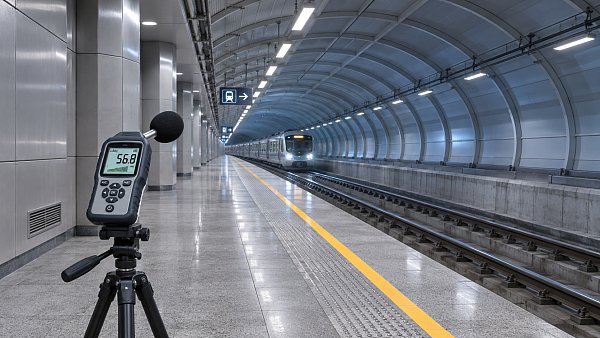
 Digital SeaMetro Station Noise Criteria: Limits and Measurement MethodsExplore metro station noise criteria, applicable limits and measurement methods. Learn how to select metrics and assess compliance with confidence.By: Captain Kenji SatoNov 11, 2026
 Digital SeaKongsberg Maritime Unveils Arctic Hunter Unmanned Surface VesselKongsberg Maritime's Arctic Hunter unmanned surface vessel is proposed for the Royal Navy's Type 92 programme. Explore its technology and procurement implications.By: Captain Kenji SatoNov 10, 2026
 Sorting RobotsHow Accurate Is AI in Food Quality Control? Metrics and Testing MethodsExplore AI in food quality control accuracy, from recall and false negatives to validation methods. Learn how to assess real-world inspection reliability.By: Marcus SterlingNov 10, 2026
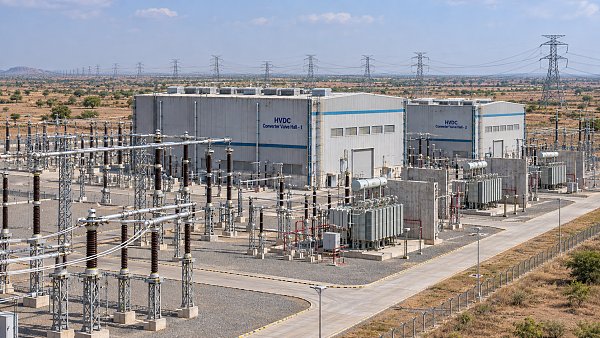
 UHV TransformersGE Vernova Selected for 6 GW HVDC Link in IndiaGE Vernova will design a 6 GW HVDC link for PGCIL, connecting Rajasthan and South Kalamb to support India's clean energy transition. Discover the project.By: Dr. Elena VoltNov 09, 2026
 Grid ResilienceEurope's Grid Compliance Standards in 2026: Generator Connection RequirementsExplore new grid compliance standards 2026 Europe projects must address, from generator connection rules to testing and documentation. Prepare for approval.By: Dr. Elena VoltNov 09, 2026
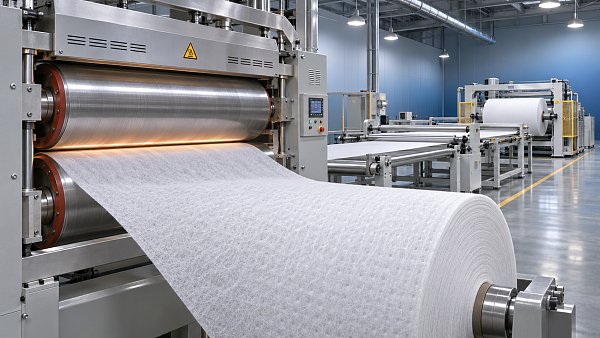
 Technical FabricsNonwoven Bonding Cost Data: Comparing Thermal and Chemical ProcessesExplore nonwoven bonding cost data to compare thermal and chemical processes, assess usable yield, and choose the best-value option for your application.By: Chloe DuboisNov 08, 2026
 Fiber LasersIndustrial Lasers to 2035: Automotive Lightweighting and Precision Welding Drive DemandExplore the industrial laser market outlook to 2035 and discover how automotive lightweighting and precision welding could shape demand and procurement.By: Dr. Hideo TanakaNov 07, 2026
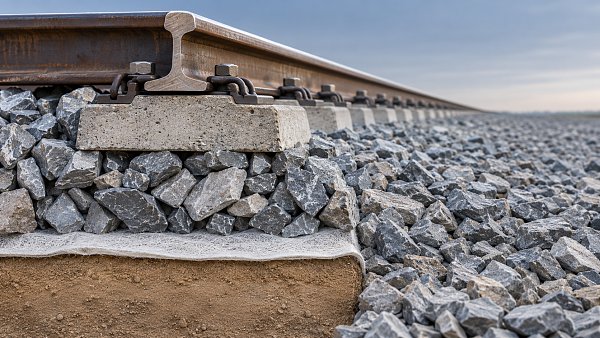
 Technical FabricsChoosing Geotextile Under Railway Ballast: Key Performance RequirementsChoosing geotextile under railway ballast? Explore essential filtration, drainage, strength and durability criteria to make a confident, project-specific selection.By: Chloe DuboisNov 07, 2026
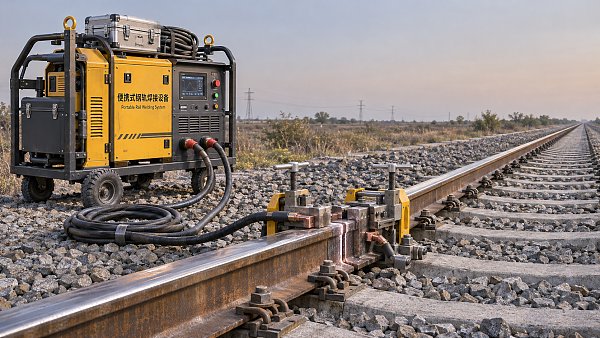
 Digital SeaChoosing Rail Welding Equipment for Maintenance: Field Conditions and Weld TypesChoose rail welding equipment for maintenance with confidence. Compare welding methods, field constraints, inspection needs, and lifecycle costs.By: Captain Kenji SatoNov 06, 2026
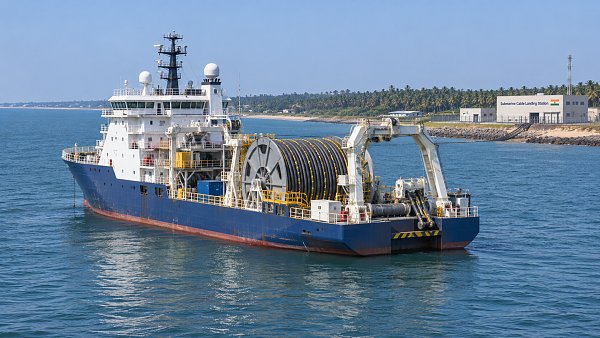
 Digital SeaIndia Broadband Forum Urges Stronger Submarine Cable ResilienceIndia’s submarine cable resilience is in focus as the Broadband India Forum urges faster repairs, more vessels and stronger landing infrastructure.By: Captain Kenji SatoNov 06, 2026
 Digital SeaChoosing a Railway Network Switch Supplier: Reliability and Support CriteriaChoosing a railway network switch supplier? Compare reliability, standards evidence, cybersecurity, and lifecycle support to reduce project risk.By: Captain Kenji SatoNov 05, 2026
 Grid ResilienceUS Grid Equipment Import Ban Raises Cost and Implementation ConcernsThe US grid equipment import ban raises concerns over costs and delivery delays. Explore how unclear criteria could affect procurement and supply chains.By: Dr. Elena VoltNov 05, 2026
 Digital SeaRailway Coupler Price: How Type and Specifications Affect QuotesRailway coupler price depends on type, specifications, and order scope. Learn how to compare quotes, avoid hidden costs, and make a confident buying decision.By: Captain Kenji SatoNov 04, 2026
 Grid ResilienceGlobal Smart Grid Companies Raise $3 Billion in First Nine Months of 2026Global smart grid companies raised $3 billion in the first nine months of 2026. Explore the funding breakdown and potential implications for buyers and suppliers.By: Dr. Elena VoltNov 04, 2026
 Digital SeaChoosing Wholesale Pet Toys: How to Evaluate Suppliers and Minimum OrdersWholesale pet toys: learn how to assess suppliers, compare minimum orders and landed costs, and reduce inventory risk before you buy.By: Captain Kenji SatoNov 03, 2026
 Digital SeaSustainable Packaging Design: How to Choose Materials and Reduce WasteDiscover how sustainable packaging design helps reduce waste, protect products, and control costs with practical material choices and proven testing strategies.By: Captain Kenji SatoNov 02, 2026
 Technical FabricsUSMCA's First Joint Review Puts Textile Supply Chain Rules in FocusUSMCA's first joint review puts textile supply chain rules in focus. Explore potential impacts on origin compliance, sourcing and tariff treatment.By: Chloe DuboisNov 02, 2026
 Digital SeaManufacturing KPI Benchmarking: How to Compare Production PerformanceBenchmarking KPI manufacturing performance? Learn how to compare OEE, quality and downtime, identify meaningful gaps, and turn insights into practical improvements.By: Captain Kenji SatoNov 01, 2026
 Smart MetersCCI Approves Adani Energy Solutions' ₹305 Billion Acquisition of IntelliSmartCCI approves Adani Energy Solutions' ₹305 billion acquisition of IntelliSmart. Discover what the deal could mean for India's smart meter market.By: Dr. Elena VoltNov 01, 2026
 Digital SeaChoosing a Coin Laundry Machinery OEM: What Buyers Should EvaluateChoosing a coin laundry machinery OEM? Compare machine specifications, payment integration, lifecycle costs, and support to make a confident buying decision.By: Captain Kenji SatoOct 31, 2026
 Grid ResilienceUS Energy Department Announces $237 Million Grid SCALED Funding ProgramExplore the DOE's $237 million Grid SCALED funding program and its goals to strengthen grid equipment supply chains, lower electricity costs, and improve resilience.By: Dr. Elena VoltOct 31, 2026
 UHV TransformersA Decade of UHV Power in Shandong: Province Leads in Station NumbersShandong UHV power leads China in station numbers. Explore a decade of grid development and its implications for electricity supply and business planning.By: Dr. Elena VoltOct 30, 2026
 Digital SeaChoosing a Composite Train Body Panel Manufacturer: Fire Safety and Quality ChecksChoosing a composite train body panels manufacturer? Learn how to verify fire test evidence, audit production quality, and avoid costly approval gaps before you buy.By: Captain Kenji SatoOct 29, 2026
 Subsea ROV/AUVOcean Infinity Deploys Six AUVs Together Beyond 5,000 MetresOcean Infinity reportedly deployed six HUGIN AUVs beyond 5,200 metres. Explore what concurrent deepwater missions could mean for seabed surveys and procurement.By: Captain Kenji SatoOct 29, 2026
 Grid ResilienceRenewable Energy Grid Balancing: How Storage and Demand Response Work TogetherExplore renewable energy grid balancing with storage and demand response. Learn how coordinated controls manage shortfalls, absorb surplus power, and improve grid reliability.By: Dr. Elena VoltOct 28, 2026